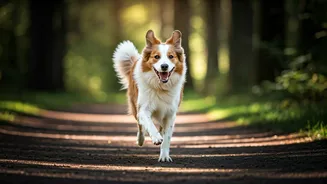







The Ultimate Accountability Partner
Your human running buddy might bail on a rainy morning. Your alarm can be snoozed. But a dog with a wagging tail and a leash in its mouth is a force of nature. This is the first lesson from your new four-legged coach: consistency is everything. Dogs thrive
on routine, and their boundless enthusiasm for a daily outing can be an incredibly powerful motivator. That eager, wet-nosed nudge at 6 a.m. is more effective than any motivational quote. By committing to them, you are forced to commit to yourself, turning a dreaded chore into a shared ritual you both look forward to.
Your Personal Pacing Pro
Human runners often get trapped in their heads, obsessing over pace, distance, and splits. A dog, however, runs with pure, unadulterated joy. They teach you to be present in the moment—to notice the smells, the sights, and the feeling of your feet hitting the pavement. A dog can be a natural pacer, instinctively finding a steady trot that’s perfect for endurance training. They also model a healthy approach to exertion. When they need to slow down, sniff something interesting, or take a water break, they do. This teaches the human runner to listen to their own body, preventing burnout and injury by replacing rigid goals with intuitive movement.
The Pre-Run Health Check
Before you even think about lacing up, the first rule is ensuring your partner is ready and able. Not all dogs are built for running. Brachycephalic (flat-faced) breeds like Pugs and French Bulldogs can struggle with breathing during intense exercise. It’s crucial to get a full check-up from a veterinarian, who can assess your dog's joint health, cardiovascular fitness, and overall suitability for running. They can also advise on the right age to start. Puppies, whose growth plates are still developing, should never be taken on structured runs; most vets recommend waiting until they are at least 12 to 18 months old, depending on the breed. Your vet is the first and most important consultant on your dog's coaching staff.
Gearing Up for the Trail
Running with a dog requires more than just a standard leash and collar. In fact, pulling on a collar can injure a dog’s neck and trachea. The gold standard is a well-fitted running harness that distributes pressure across the chest and shoulders. This gives you better control without causing discomfort. For you, a hands-free leash that clips around your waist is a game-changer, allowing for a natural arm swing and better balance. Don't forget the essentials: a collapsible water bowl for hydration breaks, poop bags, and a quick check of your dog’s paws after every run for any cuts or scrapes, especially on hot pavement or rough trails. Proper gear ensures safety and comfort for everyone.
Learning Your Coach's Language
Your furry coach can’t tell you when they’re tired or thirsty, so you have to become an expert in their non-verbal cues. Excessive panting, lagging behind, or trying to lie down are clear signs that it’s time for a break or to head home. Unlike a human coach who might push you to do “one more mile,” your dog’s needs are non-negotiable. This partnership is built on trust and mutual respect. Paying close attention to your dog’s signals strengthens your bond and ensures that running remains a positive experience for them. In the end, you are their caregiver first and their running student second. When your coach is happy and healthy, your training will flourish.