

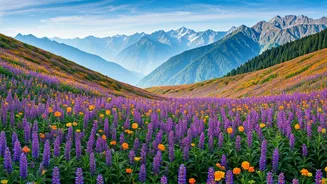


A Floral Kingdom in the Clouds
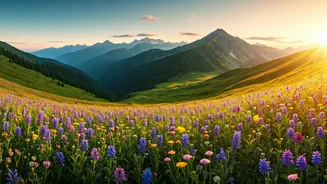
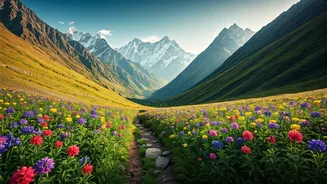
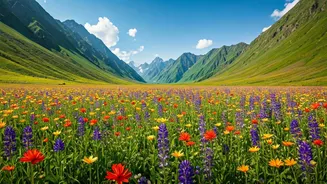
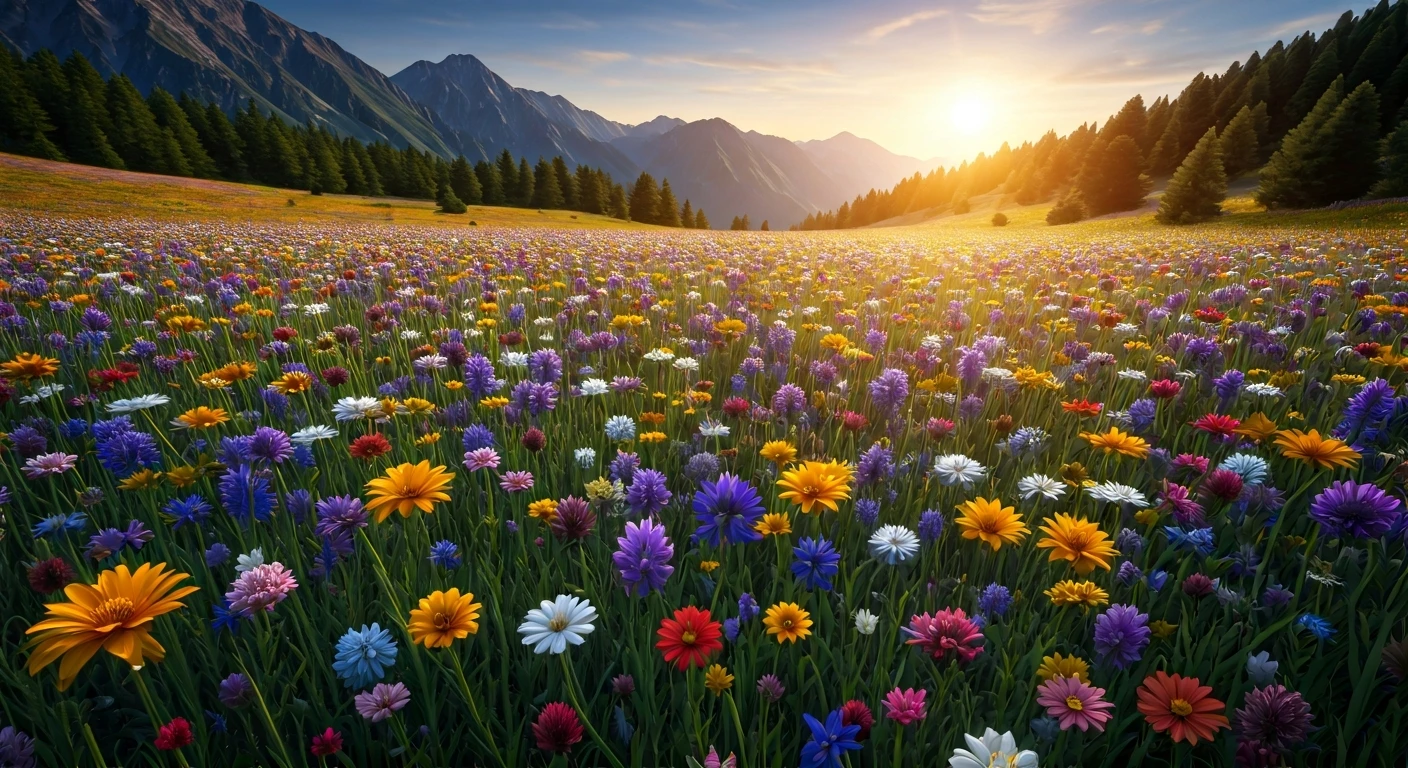
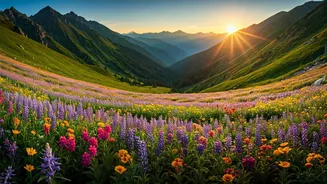
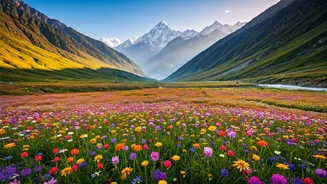
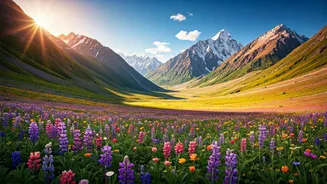
Tucked away high in the Garhwal Himalayas of Uttarakhand, India, the Valley of Flowers National Park is the stuff of legend. A UNESCO World Heritage Site, this alpine meadow transforms into a breathtaking carpet of color for just a few months each year.
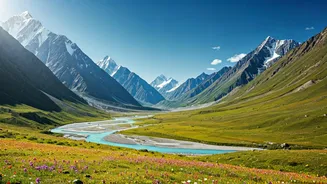
From June to October, over 500 species of wildflowers—from Himalayan blue poppies to vibrant orchids and primulas—burst into bloom, creating a spectacle against a backdrop of snow-capped peaks. It’s a place that feels less like a real landscape and more like a celestial garden, accessible only to those willing to make the journey on foot. The trek itself is a moderately challenging but deeply rewarding experience, winding through lush forests, past roaring rivers, and up into the crisp mountain air where the valley reveals its full glory.
Why the Two-Year Planning Horizon?
While the Valley of Flowers opens annually, the headline’s mention of 2026 isn’t a typo—it’s a realistic planning horizon. A successful trip to this remote part of the world isn't something you can arrange on a whim. It involves physical conditioning for high-altitude trekking, navigating international travel logistics, securing permits, and booking with reputable guides who are often reserved a year or more in advance. The monsoon season, which coincides with the peak bloom, adds another layer of complexity, requiring proper gear and flexible itineraries. Treating 2026 as your target gives you the runway to prepare properly, ensuring you arrive fit, well-equipped, and ready to fully immerse yourself in the experience without the stress of last-minute scrambles. Think of it less as a single opening date and more as the culmination of a two-year personal project.
24 Months Out: The Dream and the Training
Your journey begins now, with research and physical preparation. Use this time to dive deep into what the trek entails. Read blogs, watch documentaries, and study maps. The main trek to the valley is not technically difficult, but the altitude is a serious factor, reaching over 12,000 feet. Your first goal is to build a solid cardiovascular base. Start a consistent fitness routine that includes hiking (if possible), stair climbing, and strength training. This is also the time to begin researching trekking companies. Look for established operators with excellent safety records, experienced local guides, and a commitment to responsible tourism. Compare itineraries and reviews to find a match for your travel style and budget.
12 Months Out: Making It Real
With a year to go, it's time to lock in the major components. Finalize your choice of a trekking company and book your spot. The best guides and tours, especially those with smaller groups, fill up quickly. This is also the ideal window to book your international flights to Delhi (DEL), the most common starting point for onward travel to Uttarakhand. Booking this far in advance often yields better prices and more options. At this stage, you should have a clear picture of your total trip cost, from the trek itself to flights, accommodation, and spending money. Having a firm budget will guide your financial planning for the year ahead.
6 Months Out: Gear, Visas, and Details
Now, the focus shifts to logistics and equipment. First, apply for your Indian tourist visa. The process is straightforward for U.S. citizens but should be done well in advance to avoid any stress. Next, turn your attention to gear. Your most important investment will be a pair of well-worn, waterproof hiking boots. Buy them now and break them in on local trails. This is non-negotiable. You'll also need a quality rain jacket, layered clothing (synthetics and wool, not cotton), a comfortable daypack, and other essentials. Your trekking company will provide a detailed packing list. Start acquiring these items and, more importantly, testing them to make sure they are comfortable and functional.
3 Months Out: The Final Countdown
With the trip just around the corner, ramp up your training and finalize all remaining details. Book your domestic travel within India, such as the flight or train from Delhi to Dehradun, the gateway to the trekking region. Confirm all your reservations with the tour operator and any hotels. Practice packing your bag to ensure everything fits and you’re not over the weight limit. Mentally prepare for the journey, especially the concept of acclimatization—the slow ascent that allows your body to adjust to the lower oxygen levels at high altitude. Read up on the local culture, learn a few words in Hindi, and get excited. Your long-planned adventure is about to begin.