

The Golden Heart and its Kitchen
Your journey begins, as it must, at the Harmandir Sahib, universally known as the Golden Temple. As dawn breaks, its gold-plated dome shimmers in the sacred pool, the Amrit Sarovar, from which the city gets its name. The gentle melody of the Gurbani (Sikh
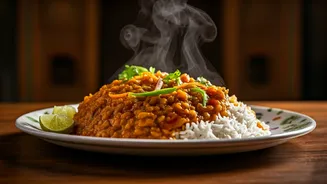
scriptures) being sung creates a profound sense of peace. But the temple’s soul isn't just in its stunning architecture or spiritual tranquility; it's also in its kitchen. The Langar, a colossal community dining hall, serves free meals to an estimated 100,000 people every day, regardless of faith, caste, or status. Participating is a lesson in humility and service. Sitting cross-legged on the floor among thousands of strangers, eating a simple, wholesome meal of dal, roti, and rice, you become part of a tradition that has embodied equality and community for centuries. The food, cooked by volunteers, is fueled by devotion, and you can taste it.
A Taste of History's Scars
A short walk from the Golden Temple’s serenity lies a site of profound sorrow: Jallianwala Bagh. This public garden is a memorial to the hundreds of unarmed Indian civilians massacred by British troops in 1919. The bullet holes still visible on the walls and the Martyr’s Well, into which many jumped to escape the gunfire, are chilling, visceral reminders of a dark chapter in India’s fight for independence. Visiting this somber space provides essential context for the city's spirit. Amritsar's vibrant, life-affirming food culture feels like an act of defiance and resilience against this history of pain. The city doesn’t forget its scars; it simply refuses to be defined by them, choosing instead to celebrate life with every flavorful bite.
The Culinary Pilgrimage
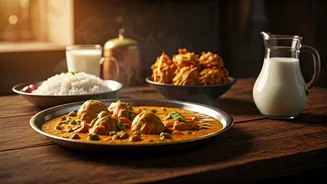
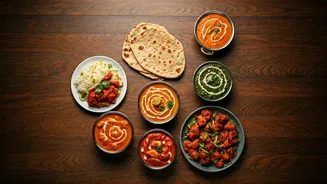
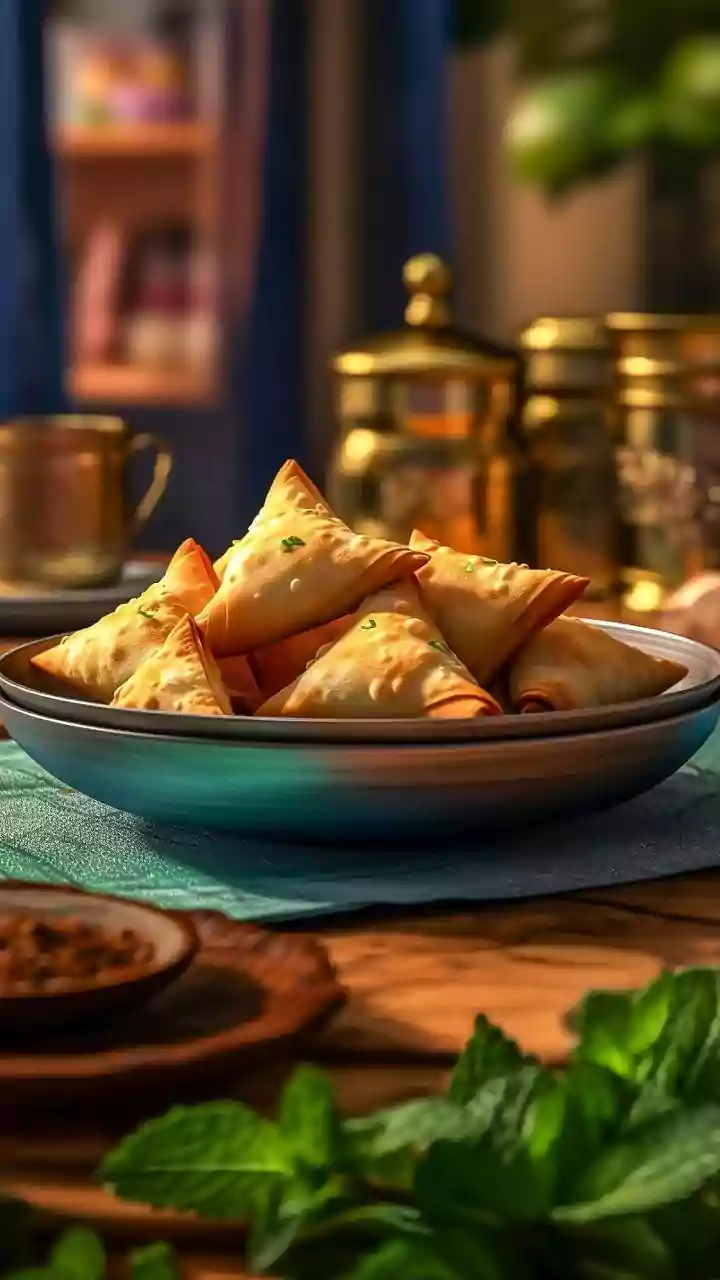
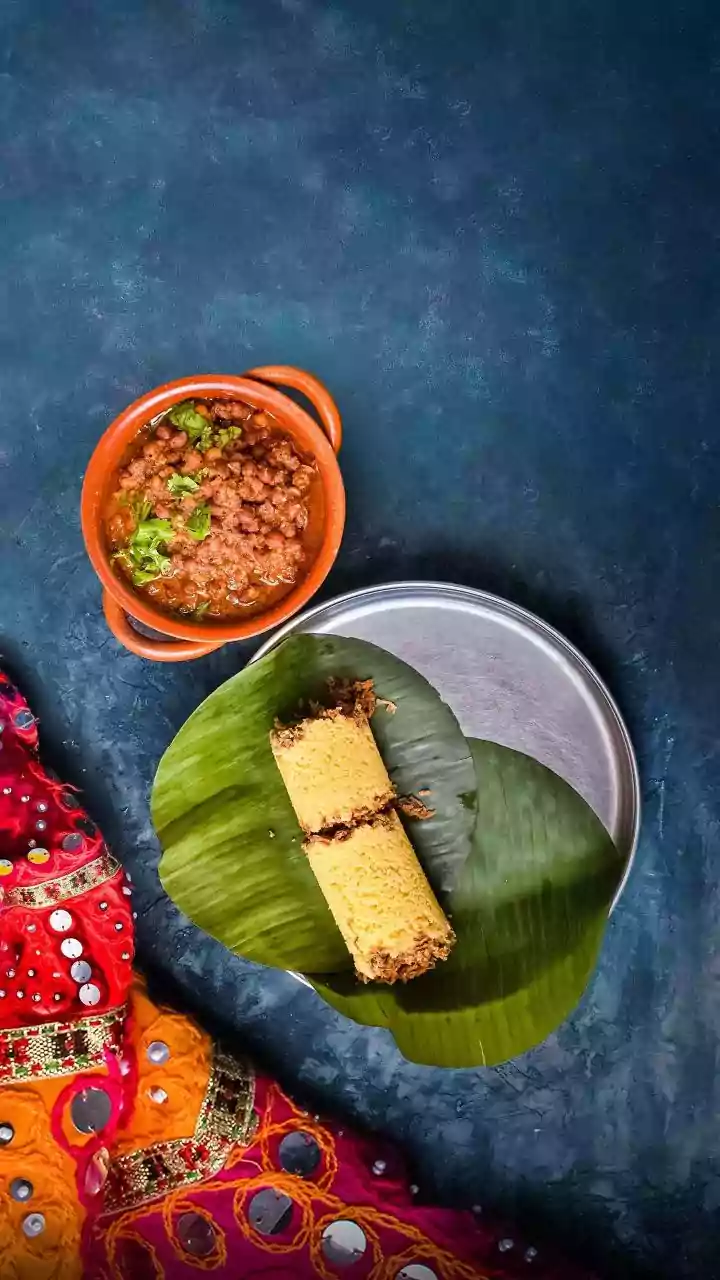
Once you’ve nourished your soul, it’s time to truly indulge your senses. Amritsar is a paradise for food lovers, and its culinary map is as important as any historical one. The star of the show is the Amritsari Kulcha, a crispy, flaky, oven-baked flatbread stuffed with spiced potatoes and served with a side of chole (chickpea curry) and tangy tamarind chutney. Lines form early at legendary spots like All India Famous Amritsari Kulcha for this quintessential breakfast. For lunch, seek out a dhaba—a rustic roadside eatery—for a plate of makki di roti (corn flatbread) and sarson da saag (a slow-cooked stew of mustard greens), a winter specialty that tastes of the earth. And no trip is complete without sampling the lassi. Served in a large steel glass, this creamy, frothy yogurt drink is often topped with a thick layer of malai (cream) and is a meal in itself. As evening falls, the old city's narrow lanes come alive with vendors selling everything from juicy tandoori chicken to sweet, syrupy jalebis fried fresh before your eyes.
Patriotism on the Border
For a dose of pure spectacle, take a short drive to the Wagah-Attari border, the only land crossing between India and Pakistan open to foreigners. Every evening, a lowering of the flags ceremony takes place here. It’s a highly choreographed, wonderfully theatrical display of nationalism from both sides. Soldiers in elaborate uniforms high-kick, stomp, and posture with fierce intensity, cheered on by stadium-sized crowds waving flags and chanting patriotic slogans. It’s part military drill, part dance-off, and a completely surreal experience that offers a glimpse into the complex relationship between the two nations. It’s a loud, proud, and unforgettable end to a day of exploration before you retreat back into the city for one last delicious meal.