






From Career Ladder to Career Portfolio
For decades, hotel management was a rigid, hierarchical climb. You started at the front desk or in housekeeping and, after years of service, might earn a manager’s title. Gen Z, raised on gig economy flexibility and portfolio careers, sees this model
as outdated. They’re not just seeking a job; they’re seeking a role that offers purpose, flexibility, and skills development. In response, forward-thinking hotel groups are dismantling the old ladder. They’re creating rotational programs that give young talent experience across departments—from revenue management to event planning—in months, not years. They're also prioritizing mental health and work-life balance, a stark contrast to the industry’s notorious long hours. This isn't just about being nice; it’s a survival strategy to attract and retain talent in a competitive market.
Tech for Connection, Not Just Convenience
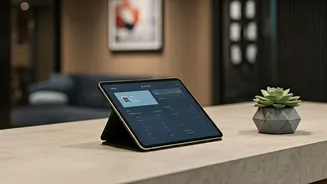
Millennials may have ushered in the era of online booking and digital check-ins, but Gen Z managers see technology differently. For them, it’s not just a tool for efficiency; it’s a medium for creating authentic human connection. This generation is the first to be truly digitally native, and they intuitively understand how to blend the digital and physical worlds. A Gen Z-influenced hotel might use an app not just to unlock a room, but to connect a guest with a curated list of local, off-the-beaten-path experiences recommended by staff. They use social media, particularly platforms like TikTok and Instagram, not for generic marketing blasts, but to build a genuine community around the hotel’s brand, showcasing its personality and the people who work there. The goal is no longer just a seamless stay, but a memorable, shareable story.
The New Definition of Luxury
What makes a hotel feel premium? In the past, the answer might have been marble lobbies, high thread-count sheets, and obsequious service. Gen Z is redefining luxury around a new set of values: authenticity, sustainability, and wellness. A young hotel manager is more likely to impress guests by highlighting the hotel’s zero-waste kitchen, its partnerships with local artisans, or the bespoke yoga class on the rooftop than by pointing out the gold fixtures in the bathroom. This shift is forcing a major rethink of hotel design, amenities, and service standards. “Luxury” is becoming less about material opulence and more about the quality of the experience—feeling good, feeling connected to a place, and feeling like your stay aligns with your personal values.
Management as Community Building
Perhaps the biggest change is in the management style itself. Where previous generations might have favored a top-down, command-and-control approach, Gen Z leaders are more collaborative and transparent. They grew up on team-based projects and social networks, and they bring that collaborative ethos into the workplace. For them, a manager is more of a coach or a community builder than a boss. They prioritize open communication, solicit feedback from their teams, and empower junior employees to take ownership of the guest experience. This approach fosters a more engaged and motivated workforce, which directly translates into better service and a more positive, vibrant atmosphere that guests can feel the moment they walk through the door.