






The Rise of Pre-Trip Weather Anxiety
The once-simple act of checking the weather has morphed into a high-stakes, pre-vacation ritual. Thanks to hyper-accurate, long-range forecasts available at our fingertips, we can now see a potential week of drizzle from ten days away. This deluge of information
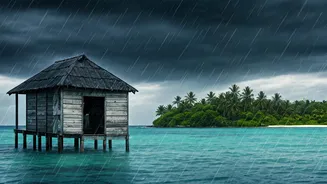
is creating a new phenomenon: pre-trip weather anxiety. After years of pandemic-related travel restrictions, Americans are placing a higher premium on their vacation time. The pressure for a trip to be 'perfect' is immense, and for many, perfect doesn’t include five straight days of rain. Travel experts note that clients are increasingly proactive, calling to ask about rebooking options the moment a forecast turns sour, a significant shift from the previous tendency to simply pack a poncho and hope for the best.
A Perfect Storm of Tech and Flexibility
This trend isn't just about our feelings; it's enabled by technology. On one hand, sophisticated weather apps provide detailed, hour-by-hour meteorological data that feels authoritative and urgent. On the other, the travel industry itself has inadvertently fueled the habit. The pandemic ushered in an era of unprecedented flexibility. Airlines and hotels, desperate to entice wary customers, dropped rigid change fees and offered more lenient cancellation policies. While some of those strict fees are returning, many travelers are now conditioned to see their bookings as mutable. The combination is potent: an anxiety-inducing forecast paired with the perceived ease of changing plans on a booking app creates a powerful impulse to scrap a trip and start over somewhere sunnier.
Before You Cancel: Read the Fine Print
Acting on that impulse can be costly. Before you hit ‘cancel,’ it’s crucial to become a detective and investigate your booking’s terms and conditions. A 'flexible' flight ticket might still involve a significant fare difference if you rebook. That hotel with 'free cancellation' may only offer it up to 48 or 72 hours before check-in—a deadline that might pass before a reliable forecast is even available. Third-party booking sites often have their own separate, stricter policies that override the hotel or airline’s rules. Pull up every confirmation email for your flights, lodging, rental cars, and any pre-booked tours. Understand exactly what is—and isn't—refundable before making a move. A rash decision based on a ten-day forecast could leave you with lost deposits and non-refundable expenses.
Does Travel Insurance Actually Help?
Many travelers assume their insurance policy is a silver bullet for bad weather, but that’s rarely the case. Standard trip protection plans are designed for specific, named perils. They will likely cover you if a declared hurricane or a massive blizzard shuts down the airport, preventing you from reaching your destination. However, they almost never cover cancellation due to a forecast for ordinary, non-severe bad weather. A week of rain in Florida, while disappointing, is not a covered reason for cancellation. The primary exception is a premium add-on known as a 'Cancel For Any Reason' (CFAR) policy. This expensive upgrade allows you to cancel your trip for, as the name implies, any reason at all—including a bad forecast. But even CFAR policies typically only reimburse 50% to 75% of your pre-paid, non-refundable costs, and you must purchase them within a short window after your initial booking.
The Alternative: Embrace Plan B
Instead of canceling, consider pivoting. A rainy forecast doesn't have to ruin a trip; it just changes its character. Reframe the challenge as an opportunity to explore a different side of your destination. Before you go, spend 30 minutes researching the best indoor activities. Where are the cool independent cinemas, cozy bookstores, or fascinating local museums? What are the best restaurants for a long, leisurely lunch? Is there a local cooking class you can join? Packing the right gear is also key. A good waterproof jacket, comfortable water-resistant shoes, and a travel umbrella can make exploring in the rain perfectly pleasant. A trip centered around gallery-hopping and incredible food can be just as memorable as one spent on the beach—and sometimes, even more so. Your attitude, more than the weather, will ultimately define your experience.