





First, What Are Those 'Worms'?
Let's get the unpleasant part out of the way. Those tiny, white, wriggling things are not actually worms; they're the larvae of fruit flies. Specifically, they are often from species like the Mexican fruit fly (Anastrepha ludens), a common agricultural
pest that targets thin-skinned tropical fruits. The adult female fly uses a needle-like ovipositor to puncture the fruit's skin and lay its eggs inside. The eggs then hatch into larvae—what we see as 'worms'—which feed on the fruit's flesh as they mature. This is a natural, albeit unappetizing, part of the insect's life cycle. It’s not a sign that the fruit is rotten in the traditional sense, but rather that it was chosen by a fly as a nursery.
Why Are We Seeing Them Now?
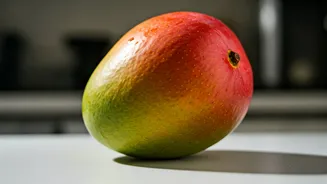
While fruit fly infestations aren't new, their visibility on platforms like TikTok is. The recent wave of videos often features Ataulfo mangoes (also known as honey or Champagne mangoes). These popular varieties have very thin, delicate skin, making them easier targets for fruit flies compared to the thicker-skinned red-green varieties like the Tommy Atkins. We're also in peak season for many mango types, which coincides with warmer weather. This combination creates a perfect storm: more mangoes are available, and the flies are more active. So, it's less a 'new' problem and more a seasonal, agricultural reality that has gone viral, making everyone hyper-aware.
The Big Question: Are They Harmful?
The idea of accidentally eating a bug is horrifying to most people, but the medical risk is extremely low. According to food safety experts and entomologists, consuming fruit fly larvae is generally not dangerous. Our stomach acid is more than capable of handling them. The U.S. Food and Drug Administration (FDA) even has allowable levels for 'insect fragments' in processed foods, acknowledging that it's impossible to eliminate them from the food supply completely. The greater, though still minimal, risk comes from the bacteria that might have been introduced when the fly punctured the fruit's skin. This could accelerate spoilage. While there's no need to panic if you think you've eaten one, the discovery is certainly a good reason to discard the rest of that particular fruit.
How to Spot an Infested Mango
Unfortunately, you can't always tell from the outside. A mango can look perfect but still host larvae. However, there are some subtle clues to look for when you're at the grocery store. Inspect the skin for tiny, dark pinpricks or dimples, which could be signs of where a fly laid its eggs. Gently squeeze the fruit; if one spot is excessively soft or mushy compared to the rest, it could indicate larvae activity inside. Another giveaway is a faint, fermenting, or slightly alcoholic smell near the stem. An uninfested, ripe mango should smell sweet and floral. When you bring your mangoes home, the best practice is to cut them open and inspect the flesh near the pit before dicing or eating. The larvae are usually concentrated there.
Your Guide to Safer Mango Enjoyment
You don't have to give up mangoes. You just need to be a more discerning shopper. First, inspect the fruit thoroughly using the tips above. When you get home, wash the exterior. If a mango is perfectly ripe, move it to the refrigerator. The cold won't kill any potential larvae, but it will halt their development and slow down any associated spoilage. For under-ripe mangoes left on the counter, keep them separate from other fruits to prevent any potential cross-contamination. The most foolproof method is simply vigilance: slice your mango open and give it a quick check before you eat. This is a good habit for many types of fresh produce, not just mangoes, from berries to figs. A little awareness goes a long way in ensuring your fruit is fresh, delicious, and pest-free.