






Meet the New Globetrotter
For decades, the profile of the international Indian traveler was relatively narrow, often limited to business trips or visiting family abroad. That's changed—dramatically. Driven by a booming economy, a rapidly expanding middle class, and a generation
of young, digitally native professionals with disposable income, Indian outbound tourism is exploding. This isn't just about more people traveling; it's about a fundamental shift in who is traveling and what they expect. These new travelers are often dual-income couples, multi-generational families, and groups of friends. They are experienced consumers, accustomed to the convenience of e-commerce and on-demand services back home. When they decide to spend their hard-earned money on a trip to the U.S. or Europe, they bring those same expectations with them. They are no longer content with slow, paper-based processes and one-size-fits-all tour packages. They are researchers, planners, and value-seekers who want control over their journeys.
The Need for Speed: From Visas to Flights
The single biggest friction point for many aspiring Indian tourists is the journey before the journey even begins: getting a visa. For U.S. travel, in particular, wait times for a visa interview in India have at times stretched to over two years. This isn't just an inconvenience; it's a dealbreaker. Travelers are increasingly opting for destinations with visa-on-arrival or simpler e-visa processes. The demand for "faster trips" is a direct call to streamline this bureaucratic bottleneck. Beyond visas, speed also means connectivity. Indian travelers are showing a strong preference for direct flights, willing to pay a premium to avoid long, exhausting layovers. As more Indians explore destinations beyond the typical hubs of New York and San Francisco, the demand for better flight paths to cities across the U.S. will only grow. Airlines and airports that can offer efficient, direct routes are poised to capture a significant share of this burgeoning market.
Smarter Planning, Powered by Tech
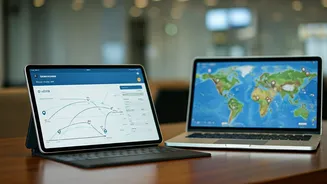
India has one of the highest rates of mobile data consumption in the world, and that reality shapes every aspect of consumer behavior, including travel. The era of relying solely on a traditional travel agent is over. Today's Indian traveler is a power user of technology, leveraging a suite of digital tools to plan, book, and experience their trips. "Smarter planning" means using AI-powered itinerary builders to create personalized schedules, comparing flight and hotel prices across multiple apps, and reading countless online reviews before making a decision. It means using Google Maps to navigate a new city, and apps like WhatsApp to stay in touch with hotels and tour operators. They expect seamless digital experiences—from a mobile-friendly booking website to QR-code-based museum tickets. Any business that relies on outdated, analog systems is seen as inefficient and is likely to be overlooked.
The Billion-Dollar Opportunity for U.S. Businesses
This shift presents a massive opportunity for the American travel and hospitality sectors. Indian tourists are among the highest-spending international visitors, and their numbers are projected to grow exponentially. To tap into this market, businesses need to adapt. Hotels can cater to this demographic by offering family-friendly room configurations and acknowledging dietary preferences, such as offering robust vegetarian options. Tourism boards and attractions should invest in digital marketing campaigns targeted at Indian audiences and ensure their online booking portals are frictionless. Tech companies have a role to play, too, by developing apps and platforms that solve key pain points, from visa assistance to real-time language translation. The businesses that recognize this evolution and invest in providing faster, smarter, and more personalized experiences will be the ones welcoming the world's next great wave of travelers.