




The Great Fitness Burnout
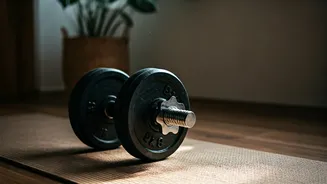
Remember the era of “no pain, no gain”? It wasn't just a mantra; it was the entire business model for a slice of the fitness industry that thrived on extremes. It was a world of before-and-after photos promising total transformation in 90 days, military-style
bootcamps that left you too sore to walk, and influencers showcasing six-pack abs fueled by chicken breast and broccoli. The implicit message was clear: if you weren’t suffering, you weren’t trying. If you missed a workout, you failed. This approach created a cycle of intense motivation followed by inevitable burnout. For millions of Americans, the result wasn’t a beach body—it was a complicated and often negative relationship with exercise, food, and their own bodies. This toxic culture framed fitness as a punishment for what you ate or a desperate bid for aesthetic approval, rather than a tool for well-being.
Enter the 'Soft Fitness' Era
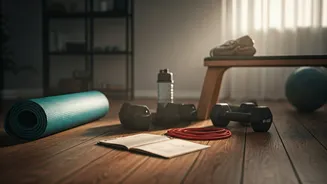
The pendulum is finally swinging back. Across social media and in gyms, a new ethos is taking hold, one that champions sustainability over intensity. Sometimes called “soft fitness” or “gentle movement,” this approach prioritizes what feels good and what can be maintained long-term. The pandemic accelerated this shift. Stuck at home, people began rediscovering simple, accessible forms of movement. The “hot girl walk” became a viral phenomenon, not as a hardcore workout, but as a mental health break that combined light exercise, fresh air, and a good podcast. Similarly, trends like “cozy cardio” (think watching a favorite movie on a tablet while on a stationary bike) and the viral “12-3-30” treadmill routine (walking at a 12% incline at 3 mph for 30 minutes) emphasize consistency and low-impact movement. These aren’t about shredding calories; they're about showing up for yourself in a way that doesn’t require a massive reserve of willpower.
Redefining a 'Good' Workout
This new mindset fundamentally redefines success. In the old paradigm, a good workout was measured in sweat, soreness, and calories burned. Today, for a growing number of people, a successful workout is simply one that happened. A 15-minute walk during a lunch break “counts.” A gentle yoga session before bed “counts.” Stretching while watching TV “counts.” This shift de-links exercise from aesthetic goals and re-links it to more immediate, tangible benefits: reduced stress, better sleep, improved mood, and a moment of peace in a chaotic day. Fitness creators on platforms like TikTok and Instagram are gaining huge followings not by flaunting chiseled physiques, but by promoting “joyful movement” and body neutrality—the idea that you can respect and care for your body without having to love its appearance every second of the day. They talk about building strength to carry groceries, having the energy to play with their kids, and moving to manage anxiety.
Why This Change Is Here to Stay
This isn’t just a fleeting trend; it’s a correction to a market that over-indexed on intensity and forgot about humanity. Brands are taking note. Fitness apps are incorporating mindfulness and recovery features. Gyms are offering more classes focused on mobility and active recovery. The language is changing from “crushing it” to “listening to your body.” This cultural adjustment acknowledges a simple truth: for the vast majority of people, the goal isn't to look like a professional athlete. It’s to feel healthy, capable, and mentally resilient enough to navigate daily life. By lowering the barrier to entry and removing the shame associated with not being “hardcore,” realistic fitness is making movement accessible and, for the first time for many, genuinely enjoyable. It’s a move from seeing fitness as a battle against your body to seeing it as a partnership with it.