



The Cooling Power of Curd
In many parts of the world, particularly South Asia, curd (plain yogurt) is a go-to remedy for sweltering temperatures. This isn't just a tradition; it’s rooted in practical benefits. Curd is packed with water and electrolytes, helping to rehydrate your
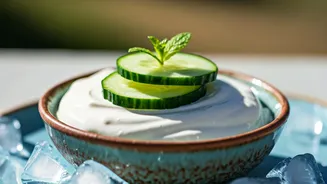
body from the inside out. Its probiotic content also supports a healthy gut, which can feel sluggish in extreme heat. Unlike heavy, high-fat meals that can make your body work harder and generate more internal heat, curd is light and easy to digest. You don’t need to eat it straight from the container to reap the benefits. A simple yogurt-based drink like a lassi—made by blending curd with water, a pinch of salt, and maybe some roasted cumin—is incredibly refreshing. Another classic is raita, a savory dip made by mixing curd with grated cucumber, mint, and spices. Served alongside a meal or as a cooling snack, it provides a delicious and effective way to feel more comfortable on a hot day.
The Ultimate Hydration Hero: Cucumber
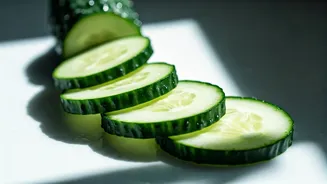
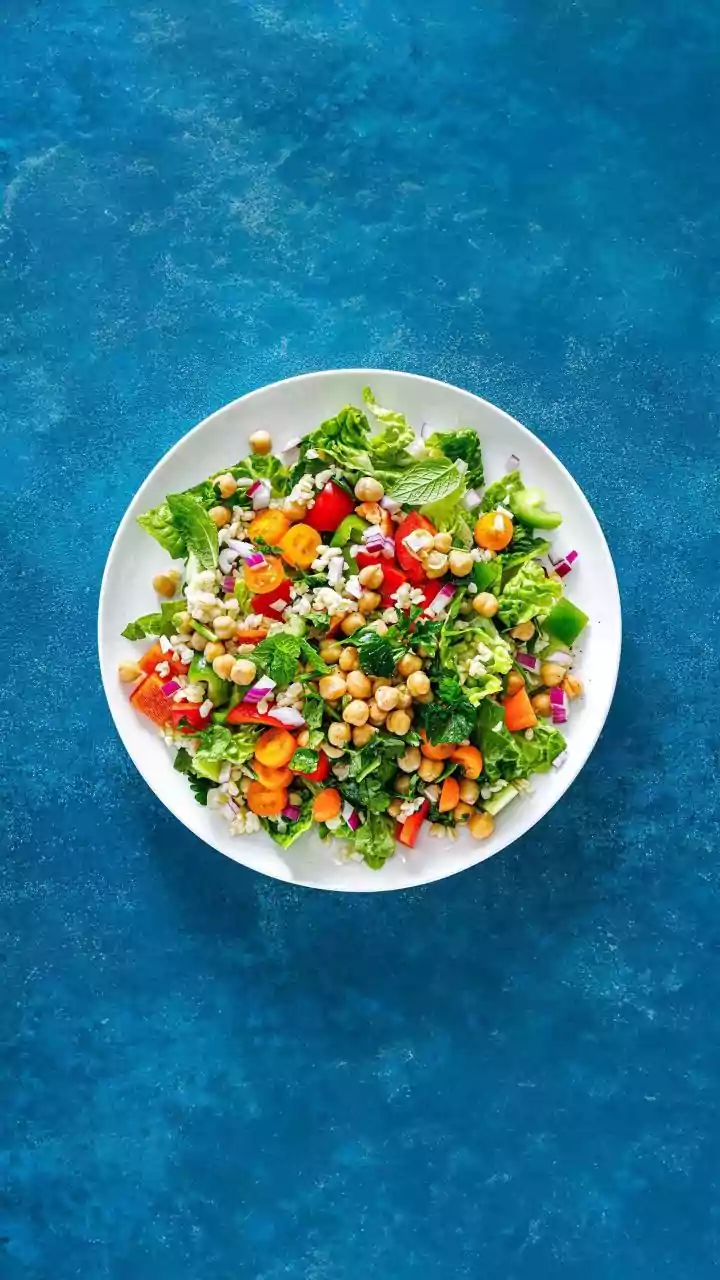
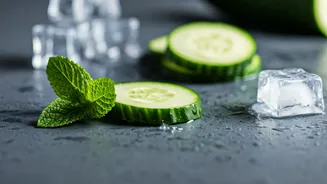
If there were a vegetable designed for summer, it would be the cucumber. Composed of about 95% water, it’s one of the most hydrating foods you can eat. Munching on cucumber slices is almost like drinking a glass of water, but with the added benefits of fiber and small amounts of nutrients like potassium, which is crucial for maintaining electrolyte balance when you're sweating. The cooling sensation of a cucumber is palpable. Its high water content and crisp texture provide instant refreshment. While it’s a staple in salads, think beyond the obvious. Blend it with mint and lime for a revitalizing drink, infuse water with cucumber slices for a spa-like refreshment, or create a simple chilled cucumber soup (a gazpacho, for instance) for a light, no-cook summer meal that won't heat up your kitchen.
Why 'Cooling' Foods Actually Work
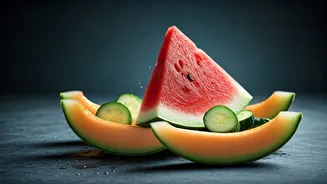
The concept of "cooling" and "heating" foods is central to many traditional wellness systems, like Ayurveda. From a modern scientific perspective, these foods don’t magically lower your core body temperature. Instead, their power lies in hydration and digestion. Foods with high water content, like cucumber and watermelon, directly combat dehydration, a primary stressor in hot weather. Furthermore, light, easily digestible foods like yogurt place less metabolic strain on your body. Digesting heavy, fatty, or highly processed meals requires more energy, which in turn generates more internal heat—a process known as diet-induced thermogenesis. By choosing foods that are easy on your system, you’re helping your body stay cool without extra effort.
And Now for the Common Sense
Smart food choices are a fantastic tool, but they must be paired with fundamental heat safety practices. These are the non-negotiable rules for navigating a heatwave safely. * **Hydrate Relentlessly:** Water should be your best friend. Don't wait until you're thirsty to drink. Carry a water bottle and sip throughout the day. If you're sweating a lot, supplement with an electrolyte drink. * **Time Your Outings:** The sun is most intense between 10 a.m. and 4 p.m. If you need to run errands or exercise, try to do so in the early morning or evening. * **Dress for Success:** Wear lightweight, loose-fitting, and light-colored clothing. Natural fabrics like cotton and linen breathe better than synthetics. * **Know the Warning Signs:** Familiarize yourself with the symptoms of heat exhaustion (heavy sweating, faintness, dizziness, nausea) and heatstroke (high body temperature, confusion, lack of sweating). The latter is a medical emergency.