
The Psychology of Comfort and Control
At its heart, this trend is a story about a fundamental conflict in the modern American consumer. We are stressed, nostalgic, and seeking comfort in uncertain times. This emotional pull draws us back to the simple, reliable tastes of childhood: chocolate,
vanilla, strawberry, orange cream, and birthday cake. These are flavors that don't require any thought or risk; they are guaranteed to deliver a small, predictable hit of dopamine and warmth. But at the same time, the wellness movement has thoroughly reshaped our relationship with food. We count calories, track macros, and scrutinize ingredients. We want to feel good about our choices. This creates a paradox: how do you indulge the part of you that wants a frosted brownie while satisfying the part that wants to hit your protein goal? The food industry's answer is to decouple the flavor from its traditional, often heavy, form.
Snacks and Sweets Get a Makeover
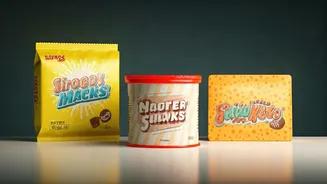
The most obvious place to see this trend is in the snack and dessert aisles. Look at the protein bar section. It’s no longer just a bland wall of peanut butter and chocolate. Now, you’ll find flavors like Frosted Strawberry, Confetti Cake, and Cinnamon Churro. These products promise the indulgent taste experience of a dessert with the nutritional profile of a supplement. The same logic applies to the freezer section. Brands like Halo Top and Nick's built empires by delivering classic ice cream flavors—from Mint Chip to Cookies & Cream—in a low-calorie, high-protein format. They understood that consumers didn’t want to give up ice cream; they just wanted to feel better about eating a whole pint. It’s the ultimate form of “permissible indulgence,” allowing us to have our nostalgic cake and eat it, too, without the associated guilt.
When Seltzer Started Tasting Like Soda
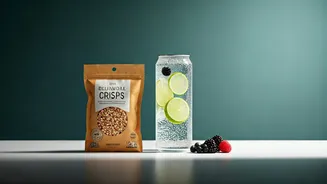
Perhaps the most striking example is the evolution of the beverage market, particularly hard seltzer. The category exploded with simple, crisp fruit flavors like lime, grapefruit, and black cherry. It was marketed as a clean, light alternative to beer. But as the market became saturated, brands needed a new edge. Their solution? Tap into nostalgia. Suddenly, shelves were filled with hard seltzers tasting of Orange Cream, Root Beer Float, and Classic Cola. These drinks perfectly capture the trend. They offer the familiar, sweet, and comforting taste of a classic soda pop from your youth, but delivered in the low-calorie, no-sugar, fizzy water format that aligns with modern wellness goals. It’s a direct appeal to the 30-something who fondly remembers drinking Dr. Pepper but now only drinks sparkling water.
A Low-Risk Bet for Anxious Times
This trend isn't just about clever marketing; it's a reflection of our cultural moment. In times of economic uncertainty and social flux, we tend to become more risk-averse in our consumer choices. We want things that are reliable and comforting. A wild, experimental flavor like 'Yuzu & Pink Peppercorn' feels like a gamble. But 'Chocolate Fudge Brownie' in a new, lighter form? That’s a safe bet. It provides the novelty of a new product with the emotional safety of a known-and-loved taste. For food companies, it’s a brilliant strategy. Developing and marketing a completely new flavor profile is expensive and risky. Re-skinning a proven winner like vanilla or cherry for a new format is a much more reliable path to success, directly meeting consumers where they are: craving a taste of the past, but living in the present.