





A City Wrapped in Clouds
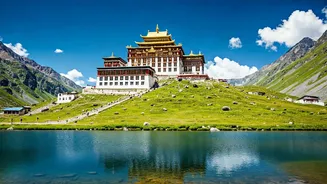
For most Americans, the mention of India conjures images of bustling megacities or the iconic Taj Mahal. But venture to its northeastern corner, and you'll find Sikkim, a former Buddhist kingdom nestled between Nepal, Tibet, and Bhutan. Its capital, Gangtok,
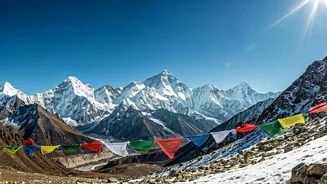
is a world apart. Built along a steep mountain ridge, it's a city known for its astonishing cleanliness, orderly pedestrian-only streets, and panoramic views of Kanchenjunga, the world's third-highest peak. Unlike the chaotic energy of many Indian urban centers, Gangtok operates at a different rhythm—one that feels both modern and deeply connected to its mountain roots. It’s the perfect stage for a celebration that captures the very soul of the Himalayas.
A Festival of Flowers and Faith
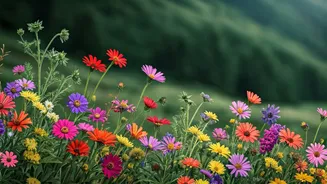
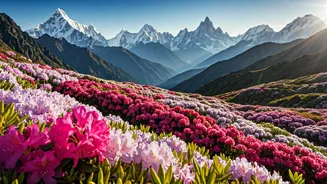
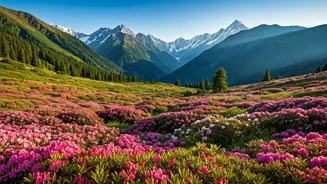
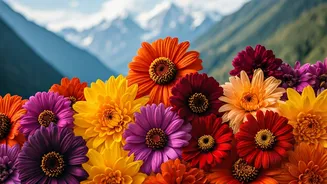
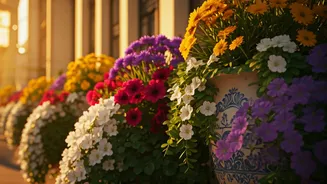
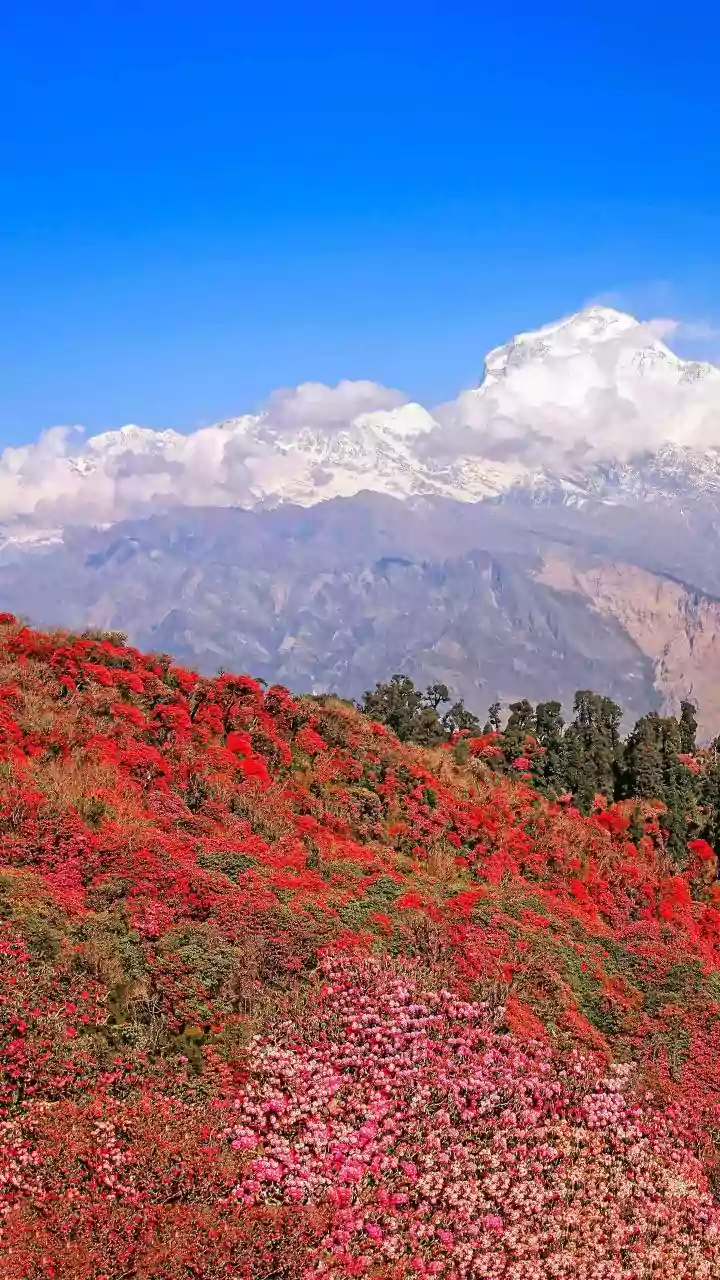
Typically held in May, the Gangtok Summer Celebration is less a single event and more a month-long immersion into Sikkimese life. The centerpiece is often a magnificent flower show. Sikkim is a biodiversity hotspot, home to over 500 species of orchids and countless varieties of rhododendrons. During the festival, these blooms are showcased in breathtaking displays, turning parts of the city into a riot of color. But this isn't just a botanical exhibition. The festival is woven into the fabric of daily life. The sounds of traditional music blend with modern tunes, while the scent of incense from nearby monasteries mingles with the aroma of street food. It’s a sensory feast that reflects a culture comfortable with both its ancient faith and its contemporary identity.
The Taste of the Himalayas
No cultural experience is complete without tasting the local cuisine, and the summer festival offers the perfect opportunity. Food stalls pop up across Gangtok, serving up the comforting, savory flavors of the region. The undisputed star is the momo, a delicate steamed dumpling with Tibetan origins, filled with minced meat or vegetables and served with a fiery dipping sauce. Another must-try is thukpa, a hearty noodle soup perfect for the cool mountain air. You'll also find specialties like gundruk (fermented leafy greens) and phagshapa (a pork and radish stew). To wash it all down, locals and visitors enjoy 'chaang' or 'tomba,' a millet-based fermented beverage served warm in a traditional bamboo container. Each bite and sip is a taste of the region's unique blend of Nepali, Tibetan, and Bhutia heritage.
Dances of Gods and Demons
One of the most captivating elements of Sikkimese culture on display is the traditional dance, particularly the dramatic masked dances known as 'Chaam.' Performed by Buddhist monks at monasteries, these dances are profound religious ceremonies. The dancers, adorned in elaborate silk costumes and striking, often fearsome masks, embody deities, demons, and animals from Tibetan Buddhist lore. Each movement is symbolic, re-enacting mythical stories and conveying moral teachings. While these dances are most prominent during specific monastic festivals, their spirit and artistry influence the cultural performances during the summer celebration. Witnessing one is a powerful, mesmerizing experience that feels less like a performance and more like a portal into another world.