




First, What Is Chaat?
Before you can understand the energy, you have to understand the source. Chaat is not a single dish, but a sprawling, beloved category of Indian street food. The word itself means “to lick” or “to taste,” and that’s the perfect verb for it. Picture this:
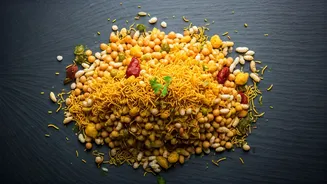
a vendor on a bustling Mumbai street corner, working at lightning speed. He takes a crispy puri (a hollow, fried sphere), cracks it open, and fills it with a spontaneous mix of potatoes, chickpeas, yogurt, and a cascade of chutneys—one sweet and tangy from tamarind, another bright and spicy from mint and cilantro. He tops it with a flurry of crunchy sev (fried chickpea noodles), a dusting of spices, and hands it to you. It’s meant to be eaten immediately, in one or two glorious, messy bites. That entire experience—the freshness, the speed, the customized explosion of sweet, sour, spicy, savory, crunchy, and creamy all at once—is the essence of chaat. It’s less a recipe and more of a philosophy. It’s an edible event, a sensory overload that leaves you buzzing and wanting more.
Decoding 'Chaat Energy'
So, what is “chaat energy?” It’s the attempt to bottle that lightning. It’s the flavor profile that has long defined the streets of Delhi and Kolkata now being reverse-engineered for a shelf-stable chip in Des Moines. This energy is built on a foundation of contrasts. It’s the cooling effect of yogurt against the heat of chili, the tangy punch of tamarind against the savory depth of spiced potatoes, and, crucially, the constant interplay of soft and crunchy textures. This flavor profile is often described with the Hindi term “chatpata,” which doesn’t have a direct English equivalent but suggests a craveable, lip-smacking combination of spicy, tangy, and savory. It’s the flavor that makes you tilt the bag to pour the last few crumbs into your mouth. For decades, American snack flavors have operated on simpler axes: salty, cheesy, or BBQ. Chaat energy introduces a new, complex grammar of taste that’s far more dynamic.
The Challenge of the Chip Aisle
Translating this vibrant, fresh, and often wet experience into a dry snack is a massive creative and technical challenge. The magic of chaat is its fleeting, made-to-order nature. A bag of chips, by contrast, needs to taste the same on day one as it does on day 60. How do you capture the sensation of cool yogurt, tangy chutney, and crispy sev on a single potato chip? Most brands aren’t trying to replicate a specific chaat dish, but rather evoke its spirit. They're focusing on the chatpata flavor profile. This means using spices like amchur (dried mango powder) for sourness, kala namak (black salt) for a sulfuric, savory funk, and a complex blend of cumin, coriander, and chili for warmth and heat. The goal isn’t to create a chip that *is* chaat, but a chip that *reminds* you of chaat—a snack that delivers that signature multi-layered flavor explosion.
Brands on the Hunt
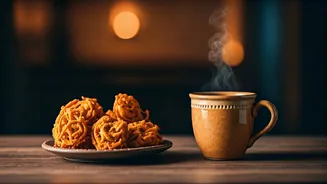
The pioneers of this trend are often brands deeply rooted in the South Asian diaspora. Companies like Deep Indian Kitchen and Asha’s have been building a bridge for American consumers for years. Now, we're seeing a new wave of snack-specific companies leaning into this. You might see “Tamarind Chili” flavored puffs or “Masala” spiced tortilla chips that are, consciously or not, chasing chaat energy. Even Trader Joe’s has dabbled in this space with products like its “Spicy Chakri Mix.” These products represent a significant evolution in the American palate. For years, “Indian flavor” in the U.S. was often reduced to a generic, one-note curry powder. The pursuit of chaat energy signals a deeper appreciation for the regional diversity and complexity of Indian cuisine. It’s a sign that consumers are ready for more than just salt or spice; they’re ready for a conversation between flavors.