



Why June Is a Tipping Point
For many gardeners across the U.S., June marks the transition from the gentle revival of spring to the demanding stress of summer. Your plants have spent months pushing out new growth and, in the case of many roses, completing their spectacular first
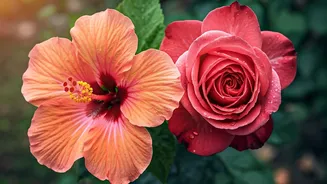
flush of blooms. Now, they need their resources replenished before high temperatures set in. Hibiscus, on the other hand, are just hitting their stride and need consistent fuel to produce those famously large, tropical flowers. Think of June not as a time to relax, but as a strategic moment to support your plants for the marathon ahead.
For Your Roses: Feed, Water, and Defend
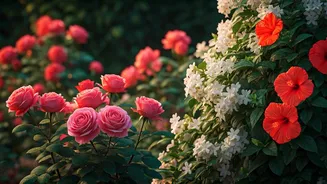
After their magnificent spring performance, your roses are hungry. The energy it took to produce that first wave of flowers needs to be replaced if you want repeat blooms. This is the perfect time to apply a balanced fertilizer formulated for roses. Look for one with a healthy amount of potassium, which supports flower production and overall plant vigor. Slow-release granular fertilizers are an excellent, low-effort choice. Simply scratch them into the soil around the base of the plant and water them in well. This single application can often feed the plant for weeks, preparing it for a strong second act.
Deep Watering Beats a Daily Sprinkle
As temperatures climb, it’s tempting to give your roses a light sprinkle of water every day. Resist the urge. Shallow watering encourages shallow roots, which makes the plant more vulnerable to heat and drought. Instead, the goal is to water deeply but less frequently. This encourages the roots to grow further down into the soil where it’s cooler and moisture is more consistent. A good rule of thumb is to provide about an inch of water per week, either from rain or irrigation. Use a soaker hose or water wand to apply water directly to the soil at the base of the plant, avoiding the leaves to help prevent fungal diseases like black spot.
Stay Alert for Pests and Disease
June is also prime time for uninvited guests. Keep a close eye out for common rose pests like aphids, which cluster on new growth, and the dreaded Japanese beetle, which can skeletonize leaves and flowers with alarming speed. Aphids can often be managed with a strong spray of water from the hose, while Japanese beetles may need to be hand-picked into a bucket of soapy water in the morning when they are less active. Also, be sure to clean up any fallen leaves around the base of your plants. This simple act of garden hygiene is one of the best ways to prevent fungal spores from splashing back onto the plant and causing disease.
For Your Hibiscus: Fuel for the Show
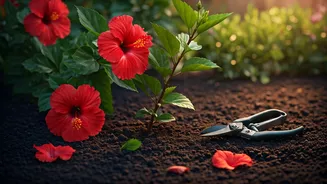
Unlike roses that may be resting, tropical hibiscus are gearing up for their peak season. These plants are heavy feeders and require consistent nutrition to keep producing their enormous, vibrant flowers. Use a fertilizer that is high in potassium and low in phosphorus. High-phosphorus fertilizers can accumulate in the soil and inhibit the plant's ability to take up other vital nutrients. Many brands offer “Hibiscus Food” or “Tropical Bloomer” formulas that fit this profile. For potted hibiscus, a liquid fertilizer applied every two weeks is ideal. For those in the ground, a monthly feeding with a granular option works well.
Consistent Moisture Is Key
Hibiscus love water, but they hate wet feet. They thrive on consistent moisture but are susceptible to root rot if left in soggy, poorly drained soil. The key is to water thoroughly whenever the top inch or two of soil feels dry to the touch. Potted hibiscus, in particular, can dry out very quickly on hot, sunny days and may need watering daily. When you water, do so until you see it running out of the drainage holes at the bottom. This ensures the entire root ball is saturated and flushes out any accumulated fertilizer salts.
A Light Prune for Shape and Health
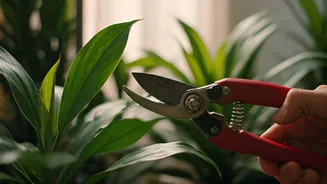
While major pruning is best left for early spring, a light trim in June can help maintain the shape of your hibiscus and encourage bushier growth. You can snip back any leggy branches by about a third to a strong, outward-facing node. This will not only improve the plant's appearance but also stimulate more branching, which means more potential flowers. It's also a good time to remove any yellowing leaves or weak-looking stems to improve air circulation within the plant, which helps prevent pest and disease issues.