




Beyond the Morning Buzz
For years, the American relationship with coffee has been transactional—a quick fuel-up in a paper cup. But a growing number of travelers are seeking something more profound. They're trading bustling city cafes for the serene, rolling hills of the world's
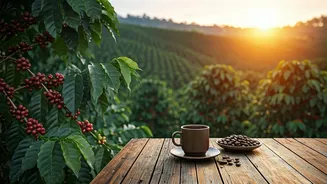
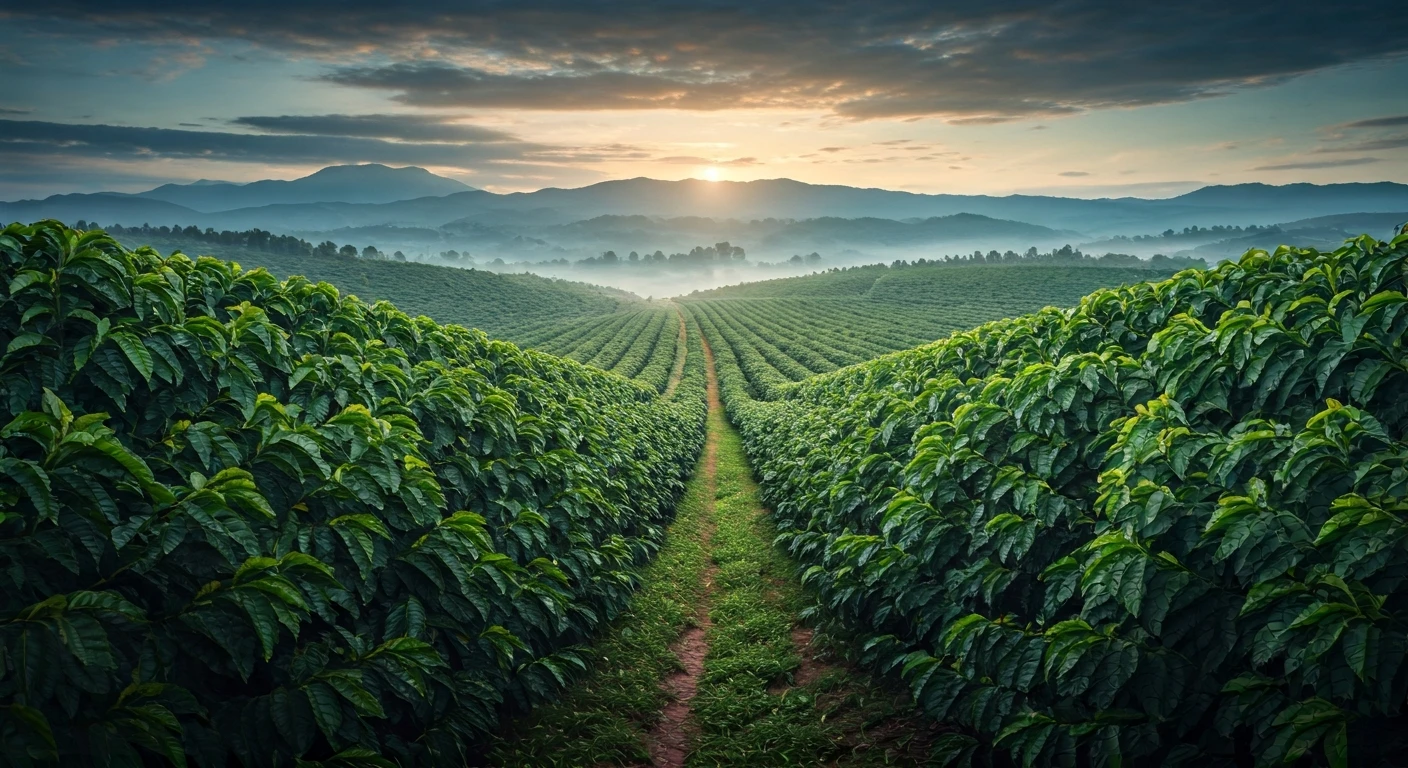
coffee-growing regions. This isn't just about getting a caffeine fix at the source; it's a form of 'agritourism' that taps into a deeper desire for authenticity, sustainability, and a genuine connection with nature. In an always-on world, the quiet rhythm of a working farm offers a powerful antidote. It's a chance to understand the journey behind a daily ritual, transforming a simple beverage into a rich agricultural and ecological story.
An Immersive Agri-Adventure
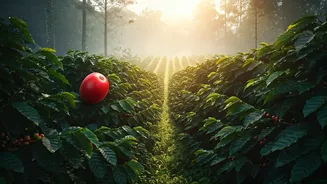
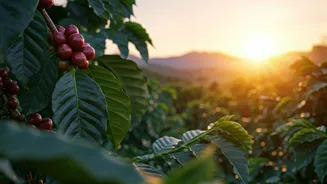
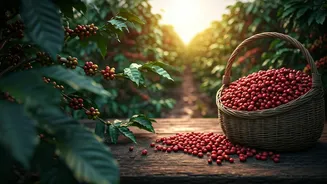
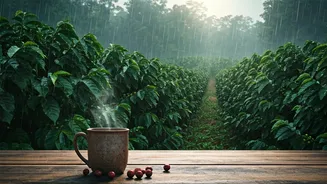
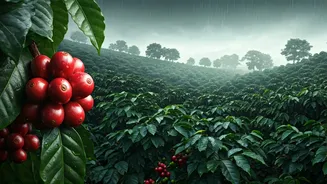
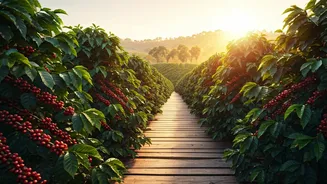
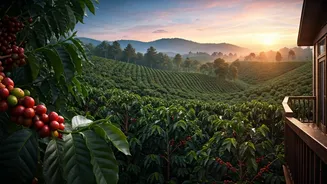
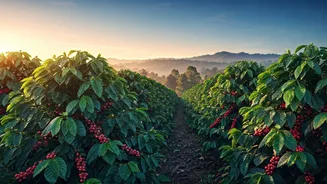
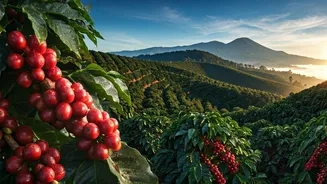
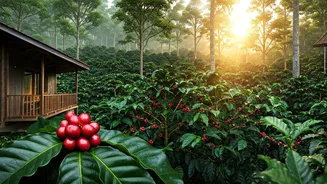
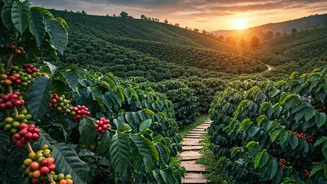
So what does a stay on a coffee estate actually look like? It’s far more than just sipping espresso with a good view. The experience is deeply hands-on and educational. Mornings might be spent on guided hikes through the coffee plantation, learning to distinguish the bright red coffee cherries ready for picking. Many estates are hotspots for biodiversity, particularly those practicing shade-grown coffee, which creates a rich habitat for birds. Bird-watching is often a primary activity, with toucans and hummingbirds replacing traffic noise. Visitors can follow the entire bean-to-cup process: participating in the harvest, watching beans being washed and dried in the sun, and even trying their hand at roasting. The highlight for most is the 'cupping'—a professional tasting session where you learn to identify the complex flavor notes of different varietals, much like a wine tasting in Napa Valley.
Brewing a Better Model
This trend offers more than just a unique vacation; it represents a more conscious form of travel. By choosing to stay at a coffee farm, tourists are directly supporting local economies and small-scale farmers who are often squeezed by volatile global commodity prices. Many of these estates are pioneers in sustainable and organic farming. They manage their land to preserve water sources, prevent soil erosion, and protect local wildlife. Your stay contributes directly to these conservation efforts. It provides farmers with a vital alternative revenue stream, empowering them to continue their stewardship of the land rather than selling it off or switching to more intensive, less eco-friendly crops. It’s a closed-loop system where your travel dollars help preserve the very beauty you came to see.
Your Coffee Passport
While coffee grows all along the equatorial 'Bean Belt,' several regions have become particularly welcoming to visitors. Costa Rica is a world leader in ecotourism, and its coffee farms are no exception, often doubling as lush nature reserves. Colombia's 'Eje Cafetero' (Coffee Axis) is a UNESCO World Heritage site, where traditional haciendas have been converted into charming guesthouses set against dramatic mountain landscapes. In Guatemala, areas around Lake Atitlán offer stays at small, family-run cooperatives. And for those who want to stay within the U.S., the rich volcanic slopes of Kona in Hawaii and a burgeoning number of farms in Southern California and Puerto Rico offer a domestic taste of this global trend. Each region offers a unique flavor, both in the cup and in the culture.