



Why Heavy Meals Heat You Up
Ever felt a “meat sweat” after a big steak dinner? That’s the thermic effect of food (TEF) in action. Your body uses energy to digest, absorb, and metabolize what you eat, and this process generates heat. Large, heavy meals—especially those high in protein
and fat—require more energy to break down, creating a significant internal temperature spike. On a cool day, you might not notice it. But when it’s already 90 degrees outside, that extra internal heat from digesting a heavy burger and fries can be the difference between feeling comfortable and feeling completely overwhelmed, sluggish, and sweaty.
Prioritize Water-Rich Produce
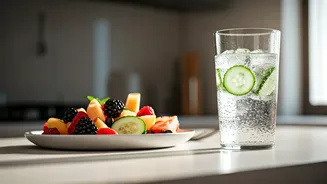
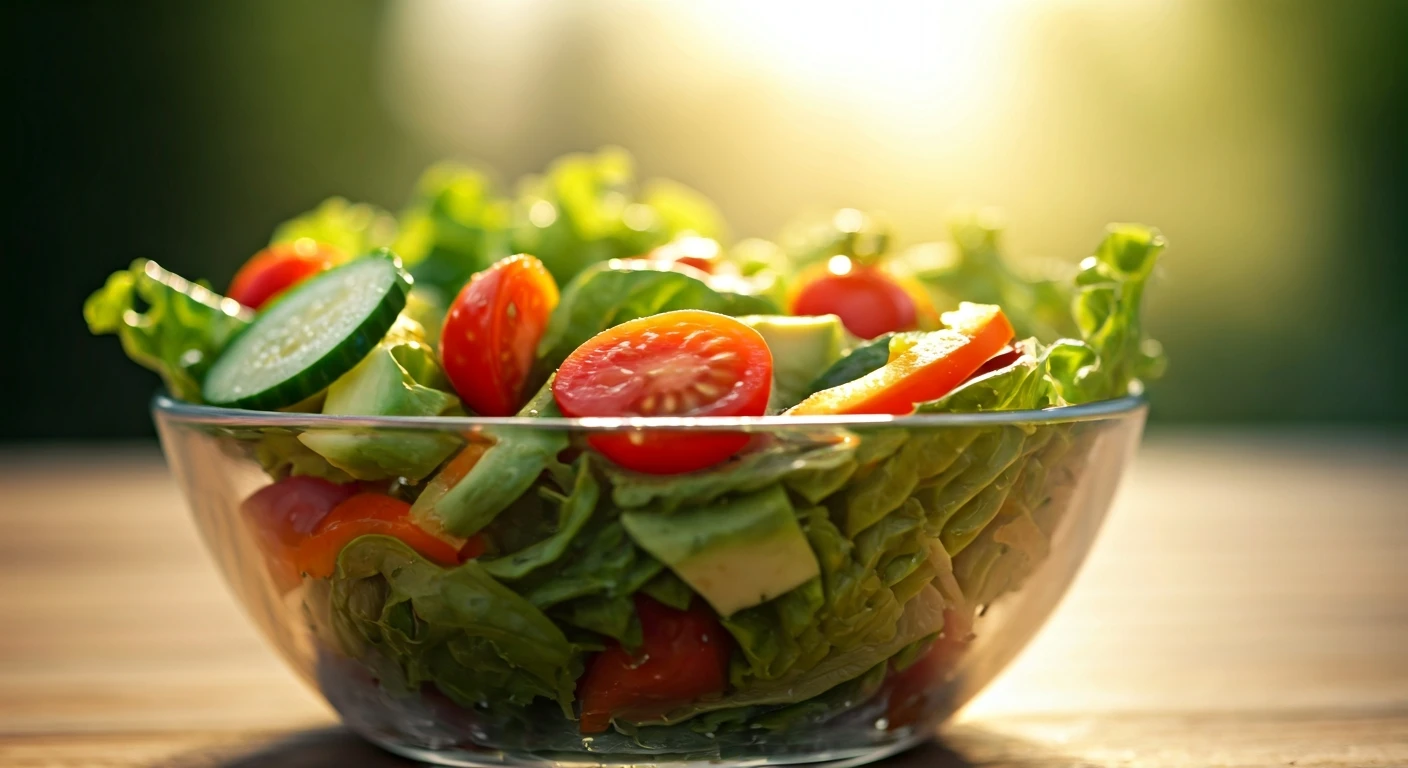
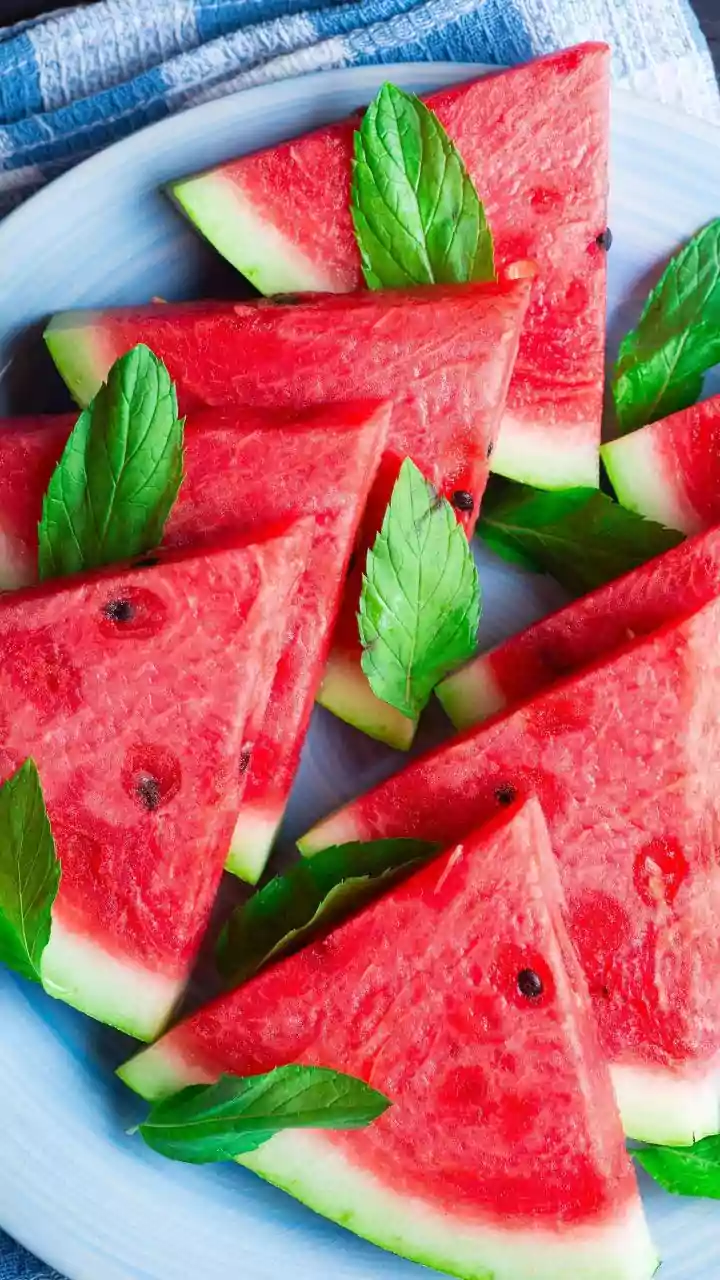
Staying hydrated is non-negotiable in hot weather, and you don’t have to get all your water from a glass. Many fruits and vegetables are packed with H2O, helping you hydrate while you eat. Think of them as edible air conditioning. Watermelon is the classic example, at over 90% water, but cucumbers, celery, strawberries, bell peppers, and zucchini are also fantastic choices. These foods are not only refreshing but also easy to digest, meaning your body expends less energy—and generates less heat—processing them. A crisp cucumber and tomato salad isn’t just a light meal; it's a hydrating one.
Go for Lean, Easy-to-Digest Proteins
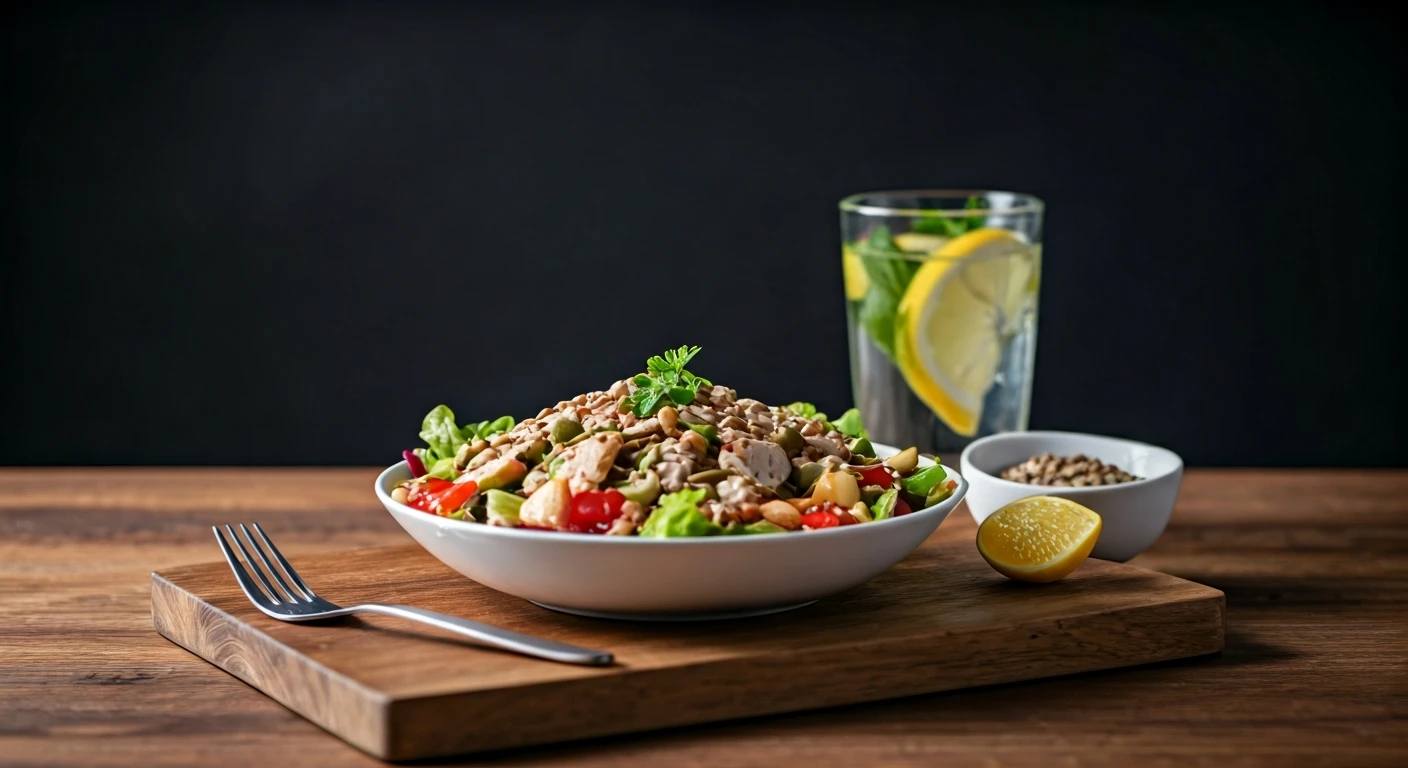
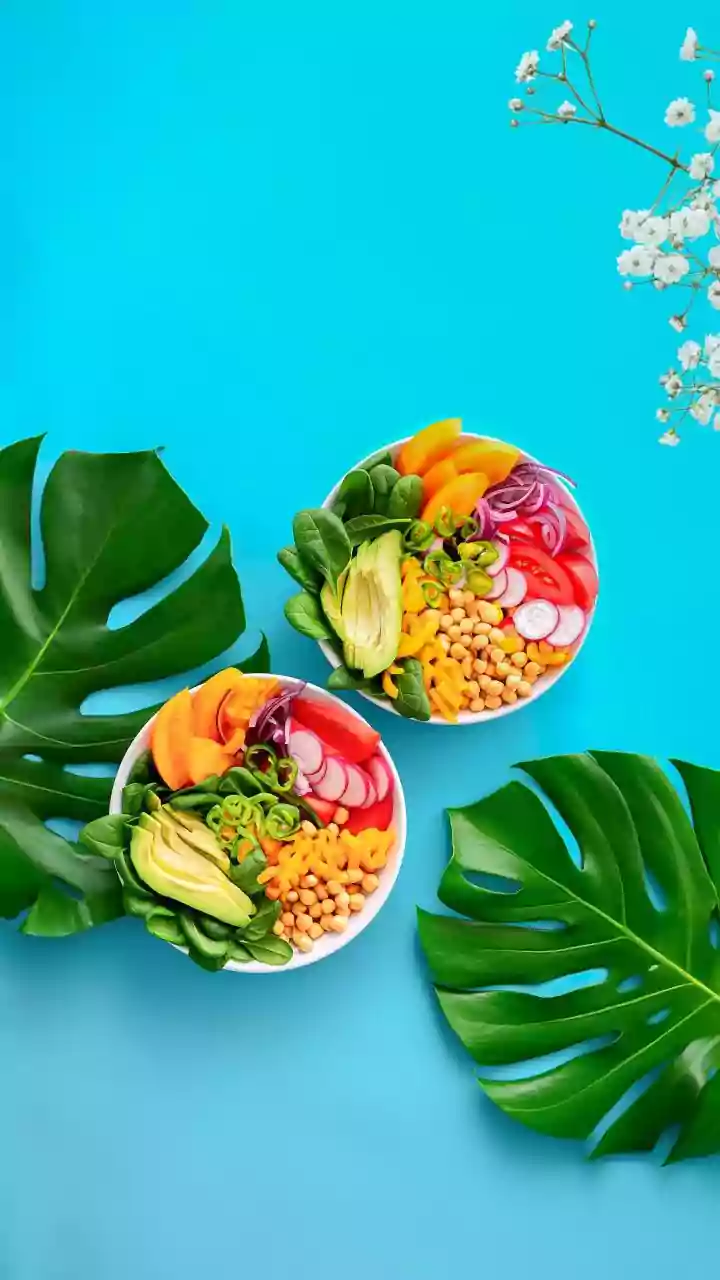
Protein is essential, but you don’t need a giant, fatty cut of red meat to get it. As mentioned, protein has the highest thermic effect of all macronutrients. To minimize that internal furnace effect, opt for leaner, simpler proteins that are easier on your digestive system. Think grilled chicken breast, fish like cod or tilapia, tofu, chickpeas, and lentils. These options provide the satiety you want from a meal without the heavy, sluggish feeling that follows a rich, fatty dish. A chicken salad sandwich on whole wheat or a bowl of chilled lentil soup can be a perfect protein-packed lunch for a hot afternoon.
Embrace No-Cook and Low-Cook Meals
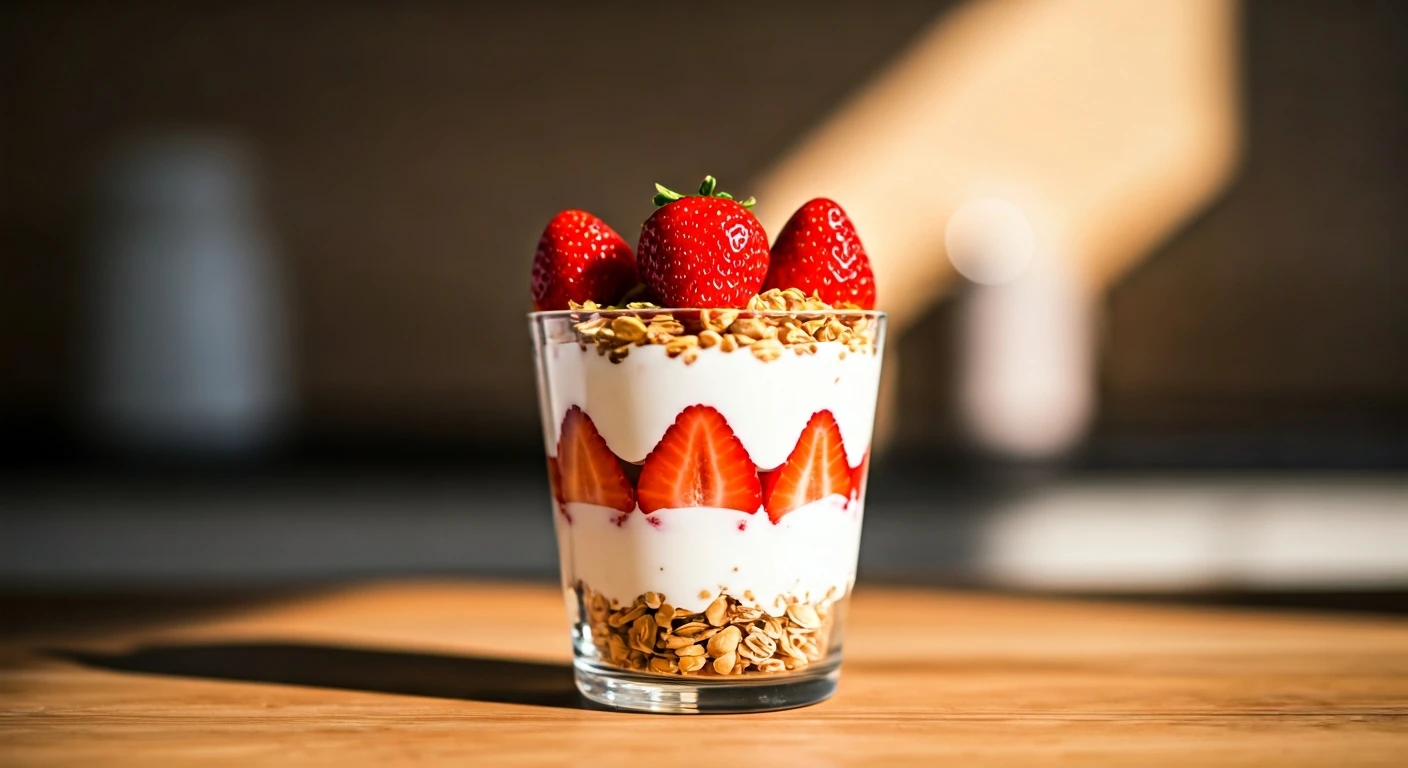
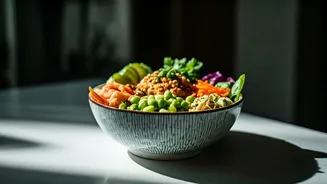
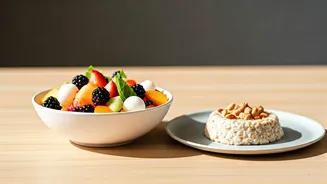
One of the most obvious but overlooked strategies is to simply avoid turning on your oven or stove. A hot kitchen can raise the ambient temperature of your home, making you feel miserable before you’ve even taken a bite. This is where no-cook meals shine. Think big, satisfying salads loaded with greens, veggies, beans, and a light vinaigrette. Gazpacho, a chilled vegetable soup, is a summer staple in Spain for a reason. Other ideas include spring rolls with rice paper wrappers, yogurt parfaits with berries and granola, or a simple platter of hummus, pita, and fresh-cut vegetables. You get a delicious, nutritious meal without adding a single degree of heat to your home.
Rethink Your Carbs and Grains
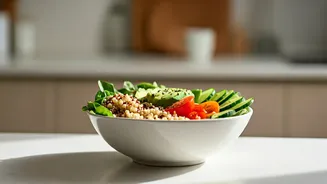
Heavy, starchy carbohydrates like creamy pasta dishes or dense bread can feel heavy and sit in your stomach. Instead, reframe your carbs for the heat. Opt for cool or room-temperature whole-grain salads. A quinoa salad with black beans, corn, and a lime dressing is both refreshing and filling. A pasta salad using whole-wheat rotini and packed with fresh veggies is another great choice. These complex carbs provide sustained energy without the immediate, heavy feeling of refined starches. They also pair perfectly with lean proteins and hydrating vegetables, creating a balanced and heat-friendly meal.