
The Ghost of Dinners Past
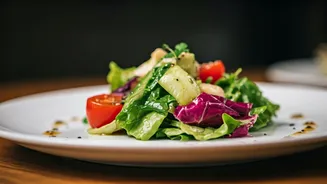
For years, the weeknight dinner 'flex' was about conspicuous effort. It was the multi-step recipe from a glossy magazine, the specialty ingredients that required a separate grocery run, the photogenic plate that looked like it belonged on a food blog
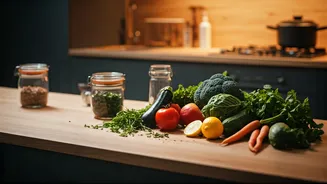
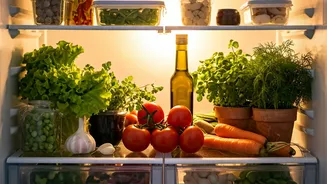
circa 2014. A successful meal felt like a performance, a project requiring advance planning and a well-stocked, perpetually fresh crisper drawer. This approach, while occasionally rewarding, often carried an undercurrent of stress. Did you remember to buy the fresh dill? Is the heirloom tomato perfectly ripe? Failure to plan felt like a personal failing, often resulting in a last-resort call for takeout and a pang of guilt.
Enter the Pantry Pull
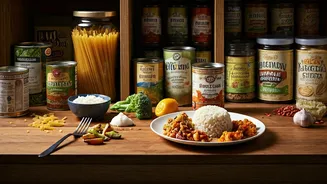
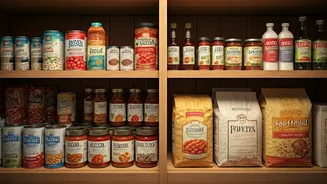
The new weeknight flex is quieter, more confident, and deeply resourceful. It’s the ability to open a pantry and see not just cans and boxes, but possibilities. It’s the magic of turning a can of chickpeas, an onion, and a few spices into a fragrant curry. It’s transforming a humble can of tuna, some pasta, and a lemon into a bright, savory dinner. This isn't about deprivation cooking; it’s about ingenuity. The flex is in the transformation itself—the alchemy of turning shelf-stable, everyday ingredients into something that feels special, nourishing, and deeply satisfying. It’s a flex of skill and creativity over a flex of budget and free time. It says, 'I don't need a plan; I have a pantry.'
The Forces Behind the Flex
This shift isn’t happening in a vacuum. Several cultural and economic currents are converging to make pantry cooking cool again. First, the obvious: inflation. With grocery bills soaring, households are looking to stretch every dollar. That means using what you have, minimizing food waste, and relying on cost-effective staples like beans, rice, lentils, and pasta. Second is a collective sense of burnout. After years of being told to optimize everything, there's a growing appreciation for simplicity and reducing decision fatigue. A well-stocked pantry is a form of self-care, a buffer against the chaos of daily life. Finally, the pandemic changed how we cook. We were forced to rely on our pantries, and many of us discovered a surprising level of creativity and resilience in the kitchen. That forced habit has now evolved into a confident choice.
The Anatomy of a Pantry Hero Meal
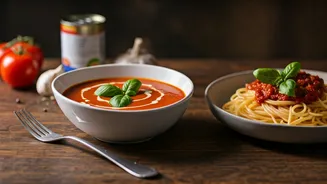
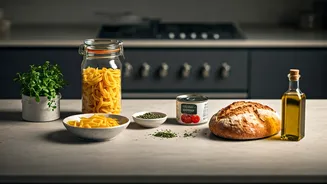
So, what does this look like on a plate? It’s less about specific recipes and more about a flexible framework. Think of a simple pasta aglio e olio, where garlic, olive oil, and red pepper flakes create something profound from almost nothing. Consider a 'what's-in-the-fridge' fried rice, built on day-old rice, a couple of eggs, and whatever frozen vegetables you have on hand. It’s the black bean soup you make by sautéing an onion and garlic, then adding a can of black beans, a can of diced tomatoes, and some cumin. The true heroes are the flavor-builders: a good bottle of olive oil, soy sauce, canned tomatoes, a variety of vinegars, dried herbs, and alliums like onions and garlic. These are the tools that allow you to elevate the basics from sustenance to a genuinely flex-worthy meal.