
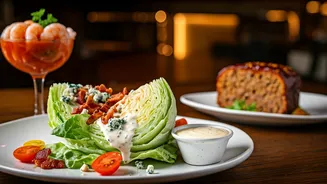


The Great Menu Correction
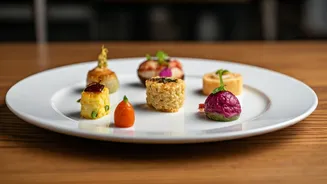
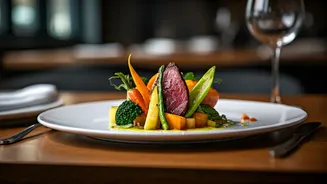
Take a look at the hottest new restaurants in your city. The menus might surprise you with what’s *not* on them. The parade of esoteric ingredients, challenging flavor pairings, and multi-hour tasting menus that defined ambitious dining for the last decade
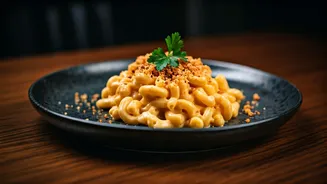
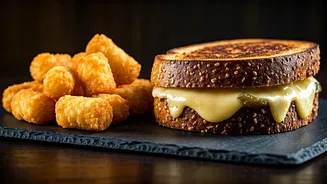
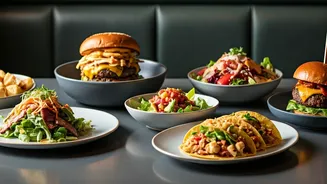
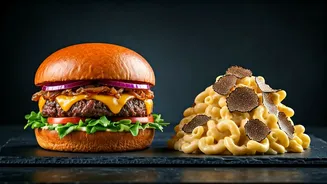
is receding. In its place? A perfectly executed smash burger. A transcendent bowl of cacio e pepe. A thick slice of lasagna with crispy edges. This isn’t a failure of imagination; it’s a deliberate cultural and economic shift. Industry analysts and food critics have noted a widespread turn toward what some call “new-school old-school” dining. It’s a correction against the perceived excesses and intellectual demands of hyper-modern cuisine, favoring dishes that provide immediate, recognizable pleasure over a culinary puzzle that needs solving.
An Appetite for Certainty
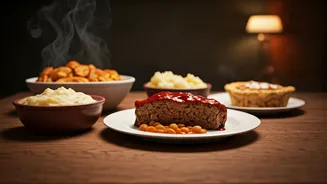
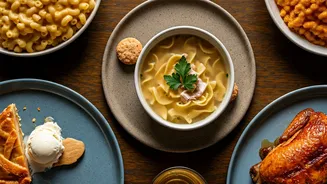
So, why now? In a world rattled by economic uncertainty, social friction, and a lingering sense of post-pandemic instability, the appeal of a predictable outcome is stronger than ever. When you order a Caesar salad or a steak frites, you have a very good idea of what you’re going to get. That reliability is a form of comfort. Experimental dining, by contrast, is a gamble. You’re betting your time and money on a chef's vision, hoping it aligns with your palate. When disposable income feels tight and the news cycle is exhausting, many of us are less willing to take that risk. A familiar meal is an emotional anchor. It connects us to a memory—of childhood, of a trip, of a simpler time—and delivers a guaranteed hit of satisfaction without requiring any work from the diner. It’s food that soothes rather than stimulates.
It's the Economy, Deliciously
This trend is as much about restaurant economics as it is about diner psychology. For restaurateurs, the pressure is immense. Sky-high food costs, labor shortages, and rising rents make running a restaurant a high-wire act. In this environment, complex, experimental dishes are a liability. They often require specialized, expensive ingredients that can lead to waste, and they demand highly skilled kitchen staff who are harder and more expensive to find and retain. Familiar foods, on the other hand, are a smarter business proposition. Ingredients can be sourced more reliably, dishes can be executed consistently, and kitchen operations can be streamlined. Crowd-pleasers like fried chicken, meatballs, and classic pasta dishes have better food costs and turn tables faster, keeping both customers and accountants happy. It's a pragmatic pivot that aligns the restaurant's survival with the diner's desire for value and comfort.
Familiar Doesn't Mean Boring
It’s crucial to understand that this return to the familiar is not a regression into blandness. In fact, the opposite is true. The focus has shifted from *invention* to *perfection*. The new standard for a great dish isn’t how original it is, but how flawlessly it’s executed. The goal is to make the best possible version of a known quantity. This means using higher-quality ground beef for that burger, seeking out the best imported Italian cheese for that pasta, and brining that chicken for 24 hours to ensure it’s shatteringly crisp and impossibly juicy. Chefs are pouring their creativity not into creating brand-new dishes, but into refining and elevating the classics. For the diner, this is the best of both worlds: the comfort of the known combined with the thrill of an exceptional culinary experience.