


The River That Builds a Crew
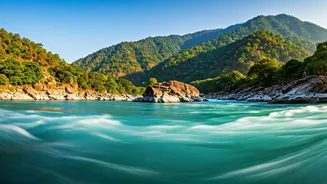
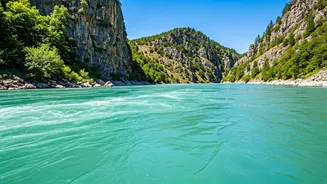
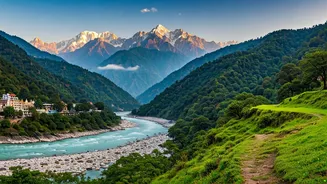
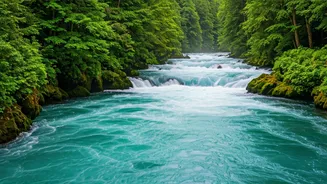
The core of the Rishikesh experience is the mighty Ganges River, or Ganga, as it’s known locally. This isn’t some lazy river at a waterpark; this is glacial meltwater carving its way through the mountains, creating stretches of whitewater that are both
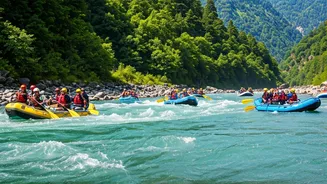
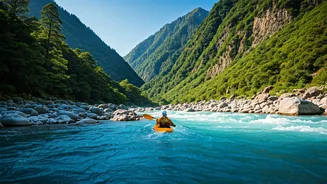
thrilling and accessible. The classic rafting run covers about 16 kilometers (10 miles), packing in Grade II and III rapids with names like “Roller Coaster” and “Golf Course.” It’s just enough adrenaline to get your heart pounding and demand real teamwork as your crew paddles in unison to navigate the churning water. The shared screams of exhilaration followed by laughs of relief are a powerful social glue. Between rapids, you’ll float through serene gorges with emerald water, where the only sounds are birds and the distant temple bells. The trip often includes a stop at a sandy river beach for a simple lunch and a chance to jump off a small cliff into the bracingly cold river—a rite of passage that washes away any lingering hesitation.
The Perfect Adrenaline Hangover Cure
A standard bro-trip is often defined by the post-activity scene: loud bars, expensive drinks, and the pressure to keep the energy at a ten. Rishikesh flips the script. The vibe here is what you might call “adrenaline hangover chic.” After a day on the river, the move is to retreat to one of the countless laid-back cafes overlooking the river. Instead of overpriced cocktails, you’re sipping on fresh ginger-lemon-honey tea or a thick mango lassi. The soundtrack is a mix of chill electronic music, classic rock from a neighboring hostel, and the hum of conversation in a dozen different languages. It’s here, sitting on floor cushions and recounting the day’s near-misses on the rapids, that the real bonding happens. The atmosphere is relaxed, unpretentious, and incredibly affordable. You can have a fantastic multi-course meal for the price of a single beer back home, encouraging long, rambling dinners that stretch late into the night.
Accidental Zen and The Beatles
Let’s be clear: you don’t need to own a yoga mat to fall for Rishikesh. But the town’s status as the “Yoga Capital of the World” permeates everything, creating a backdrop of relaxed spirituality that’s impossible to ignore. You’ll see sadhus (holy men) with dreadlocks and saffron robes walking the same suspension bridges as backpackers in board shorts. The air is filled with the scent of incense and the sound of chanting from nearby ashrams. You can dip your toes into this world as much or as little as you want. Maybe it’s attending the mesmerizing Ganga Aarti, a nightly fire ceremony on the riverbank, or simply finding a quiet spot to watch the sunset over the mountains. Or maybe it’s a pilgrimage to the derelict but beautiful Beatles Ashram, where the Fab Four famously stayed in 1968. Wandering through its graffiti-covered meditation domes feels less like a tourist attraction and more like exploring ancient ruins from a forgotten pop-culture religion. It’s spirituality without the dogma—a space for introspection that most guys’ trips actively avoid.
Why Your Dollar Is a Superhero Here
The financial logistics of a group trip can be a nightmare. Someone always wants to go cheaper, someone else wants to splurge. Rishikesh solves this by being absurdly budget-friendly for the Western traveler. The flight to India is the biggest expense, but once you land, your dollar stretches to almost comical lengths. A clean, private room in a guesthouse might cost you $20 a night. A full day of guided rafting, including transport and lunch, can be found for around $15-$25 per person. This affordability changes the entire dynamic of the trip. It removes the constant, low-grade stress of calculating costs and splitting bills. It means you can extend the trip from a long weekend to a full week or more, allowing for a deeper, more relaxed experience. You can afford to be spontaneous—to sign up for a last-minute trek, take a cooking class, or rent scooters to explore the surrounding hills without having a group meeting to approve the budget.