
From 'Local' to 'Lobby'
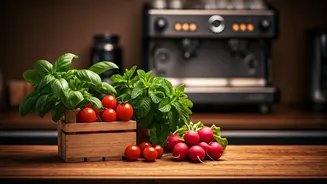
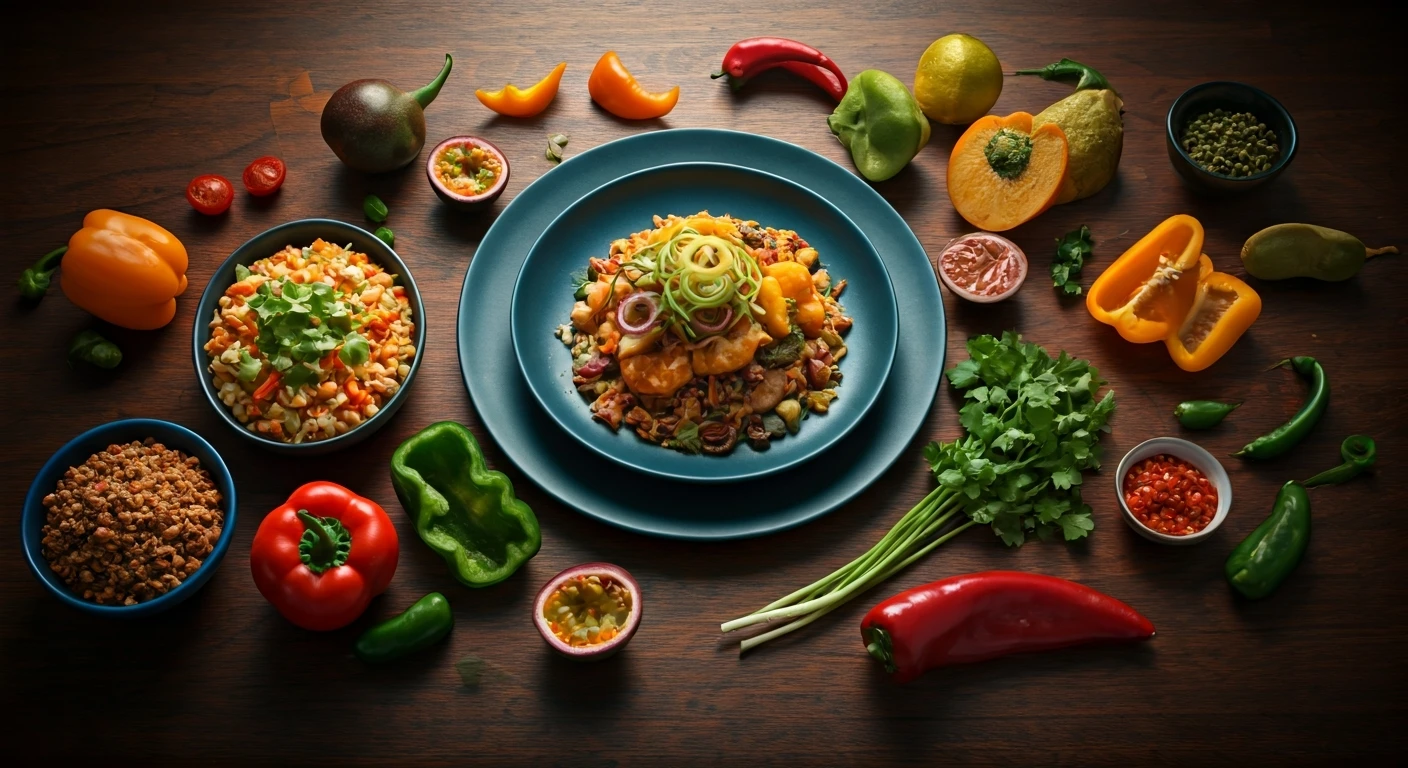
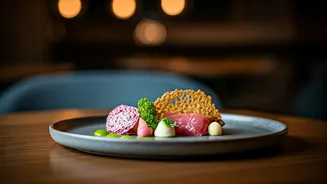
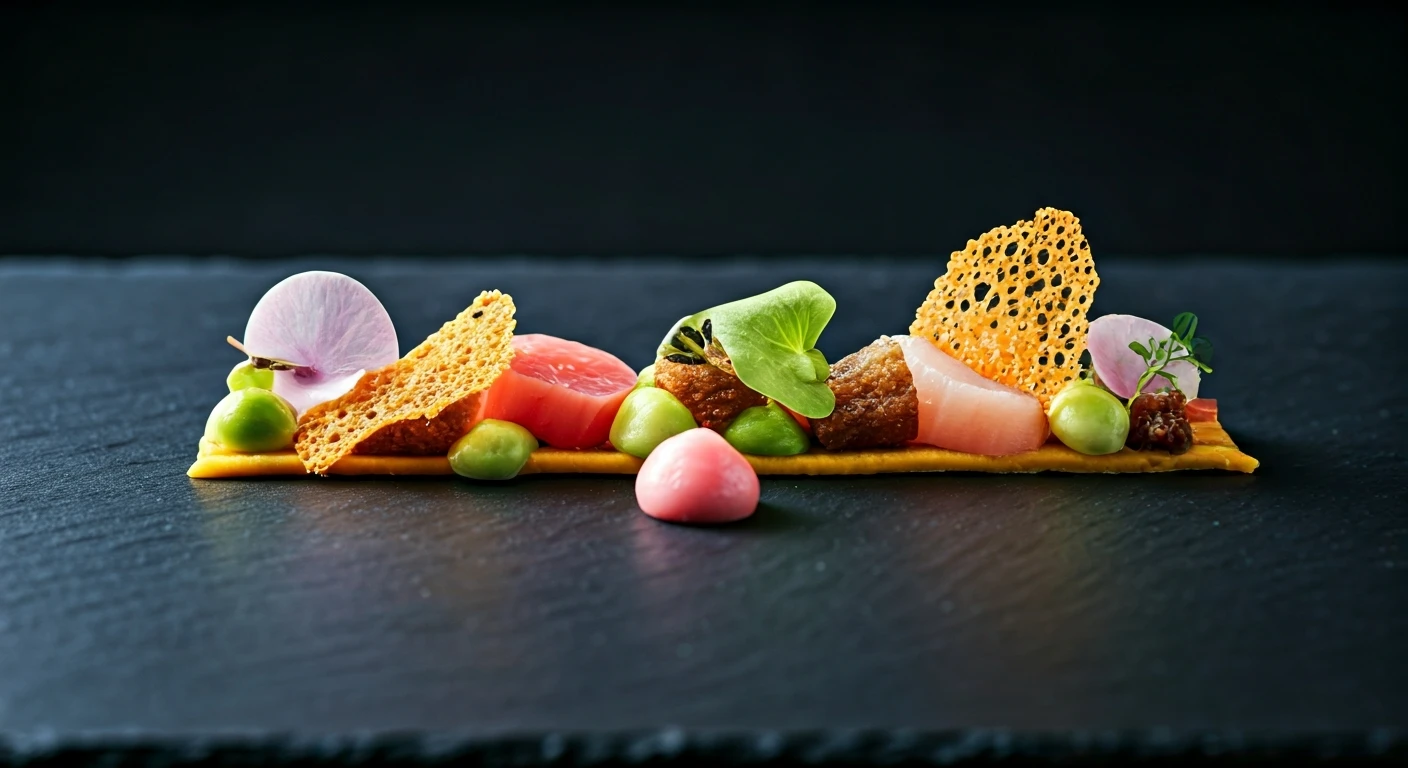
So what exactly is ‘hyperlocal’? If ‘farm-to-table’ meant sourcing from farms within a 100-mile radius, hyperlocal shrinks that circle dramatically. We’re talking about vegetables grown in a restaurant’s own rooftop garden, herbs cultivated in window
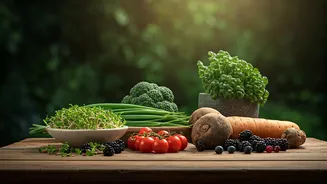
boxes, honey from beehives on the hotel roof, or mushrooms foraged from a park down the street. It’s the culinary equivalent of closing all the tabs on your browser except for one. This isn't just about reducing food miles; it’s about collapsing the supply chain until it fits in the backyard. The chef isn't just ordering produce; they are overseeing its entire life cycle, from seed to plate, sometimes just feet away from where you’re sitting.
The Ultimate Culinary Flex
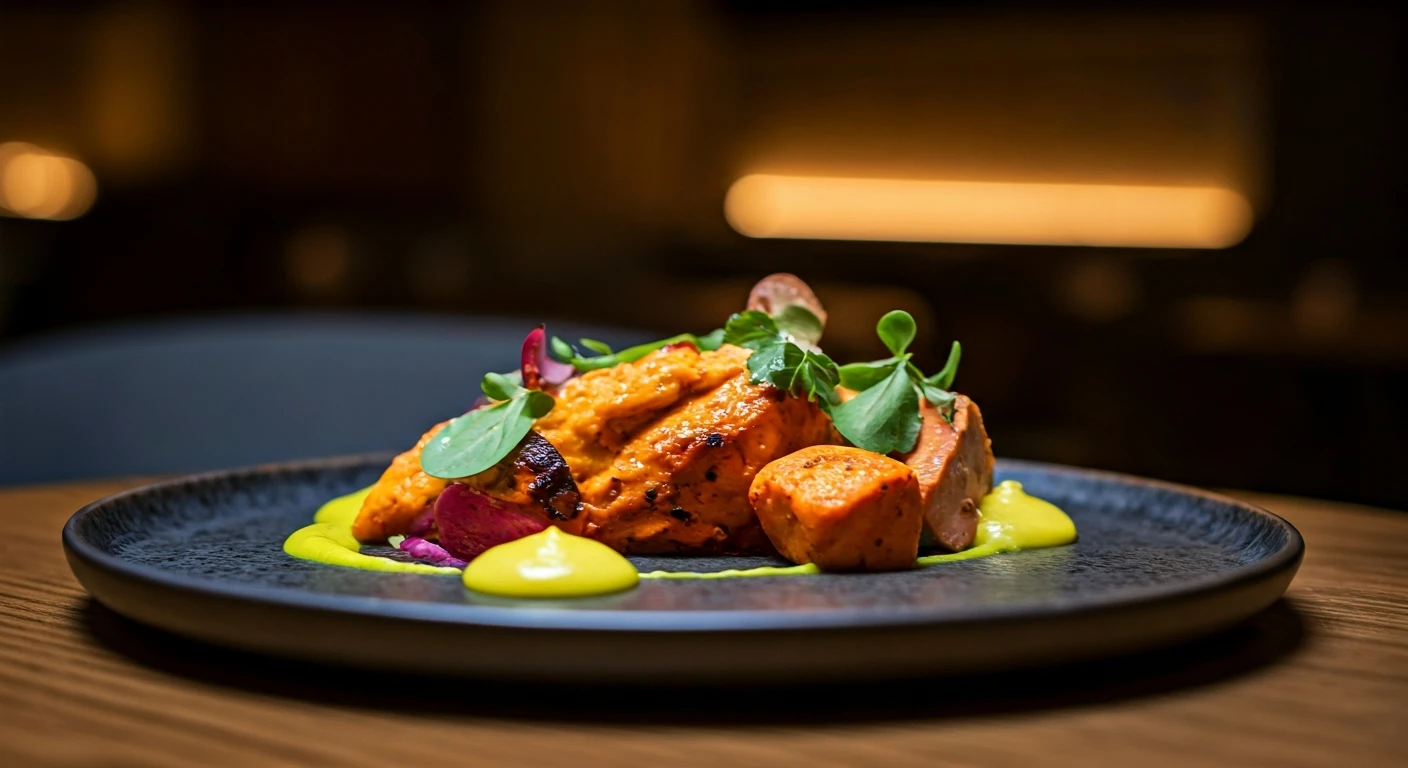
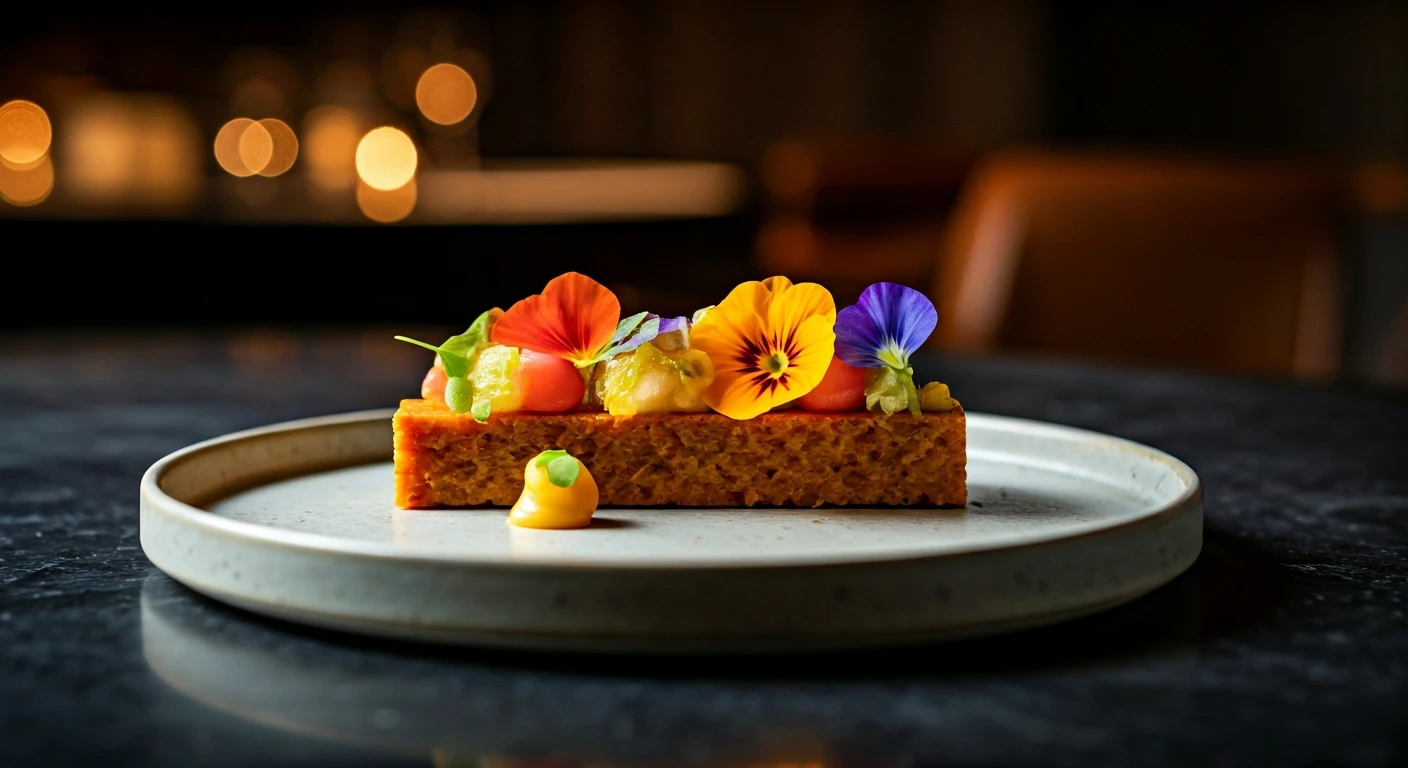
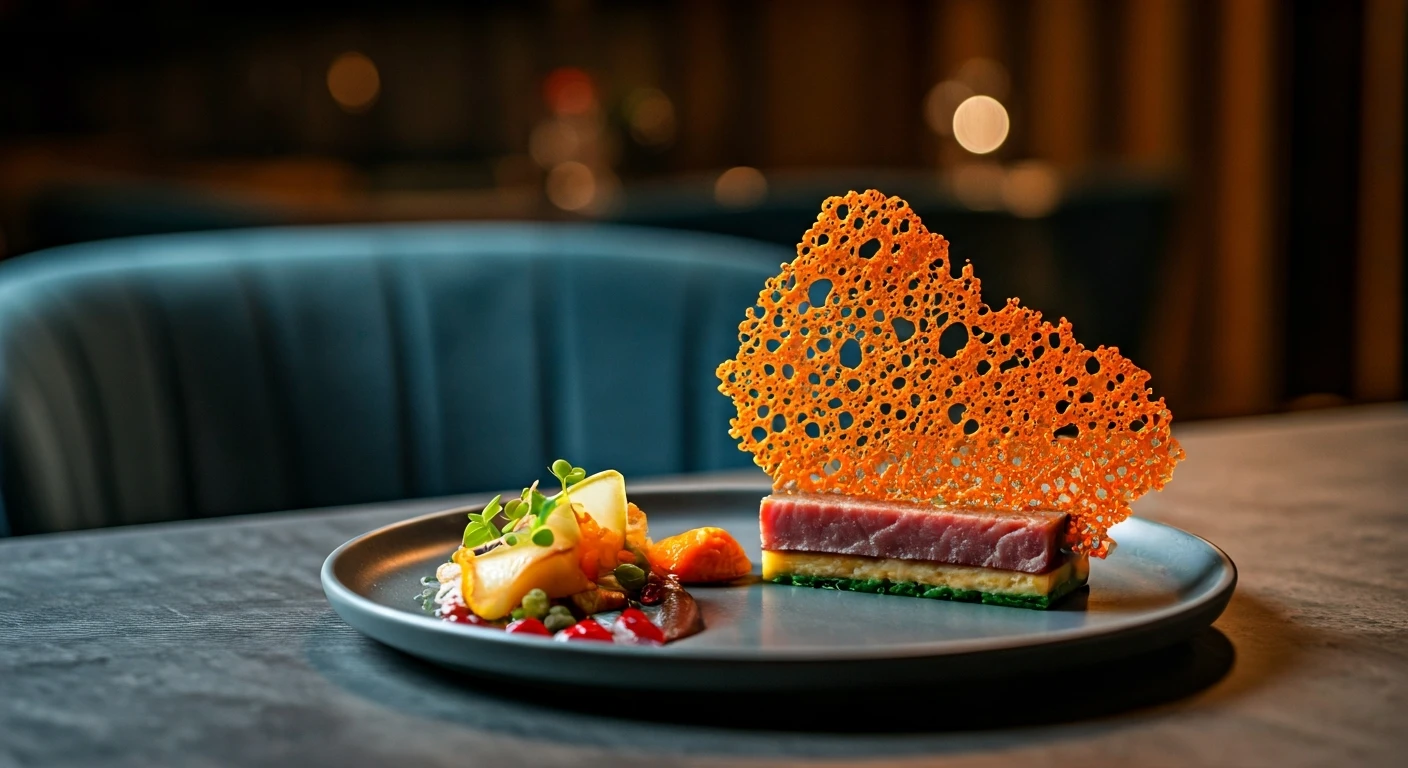
In the competitive world of fine dining, uniqueness is currency. Any well-funded restaurant can buy A5 Wagyu or Italian truffles. But can they serve you a salad made from greens harvested that morning from their vertical farm in the basement? That’s a story no one else can tell. Sourcing hyperlocally is a massive flex—a display of commitment, resources, and vision. It signals that a restaurant has the space, the capital, and the horticultural expertise to pull it off. It’s an investment that screams, “We care so much, we built our own farm.” This narrative of extreme dedication and exclusivity becomes a powerful marketing tool, justifying premium prices and creating a memorable experience that diners can’t get anywhere else.
A Literal Taste of Place
Beyond the bragging rights, the driving force behind the hyperlocal push is flavor. Chefs have long talked about ‘terroir’ in wine—the way soil, climate, and geography shape the taste of grapes. They are now applying that same concept to everything. A carrot pulled from the earth minutes before being cooked retains a sweetness and texture that’s lost during days of shipping. Herbs snipped from a living plant are exponentially more aromatic. This immediate connection between harvest and preparation creates a vividness of flavor that’s hard to achieve otherwise. Diners get to taste not just a dish, but a micro-environment—the specific expression of a Brooklyn rooftop, a Chicago alleyway garden, or a California coastal bluff.
The 100-Foot Diet's Hidden Costs
Of course, this culinary ideal is anything but easy. Running a miniature farm is a massive operational challenge. It requires specialized knowledge, dedicated staff, and constant vigilance against pests, unpredictable weather, and urban pollution. A single hailstorm or heatwave can wipe out a chef’s star ingredient for weeks. The yield is often small and inconsistent, forcing chefs to be relentlessly creative and flexible with their menus. This unpredictability is the enemy of a traditional restaurant model built on consistency. These challenges are precisely why it remains a premium practice; the cost of labor, space, and potential failure is baked into the price of that $28 tomato salad.
Is It Worth the Price Tag?
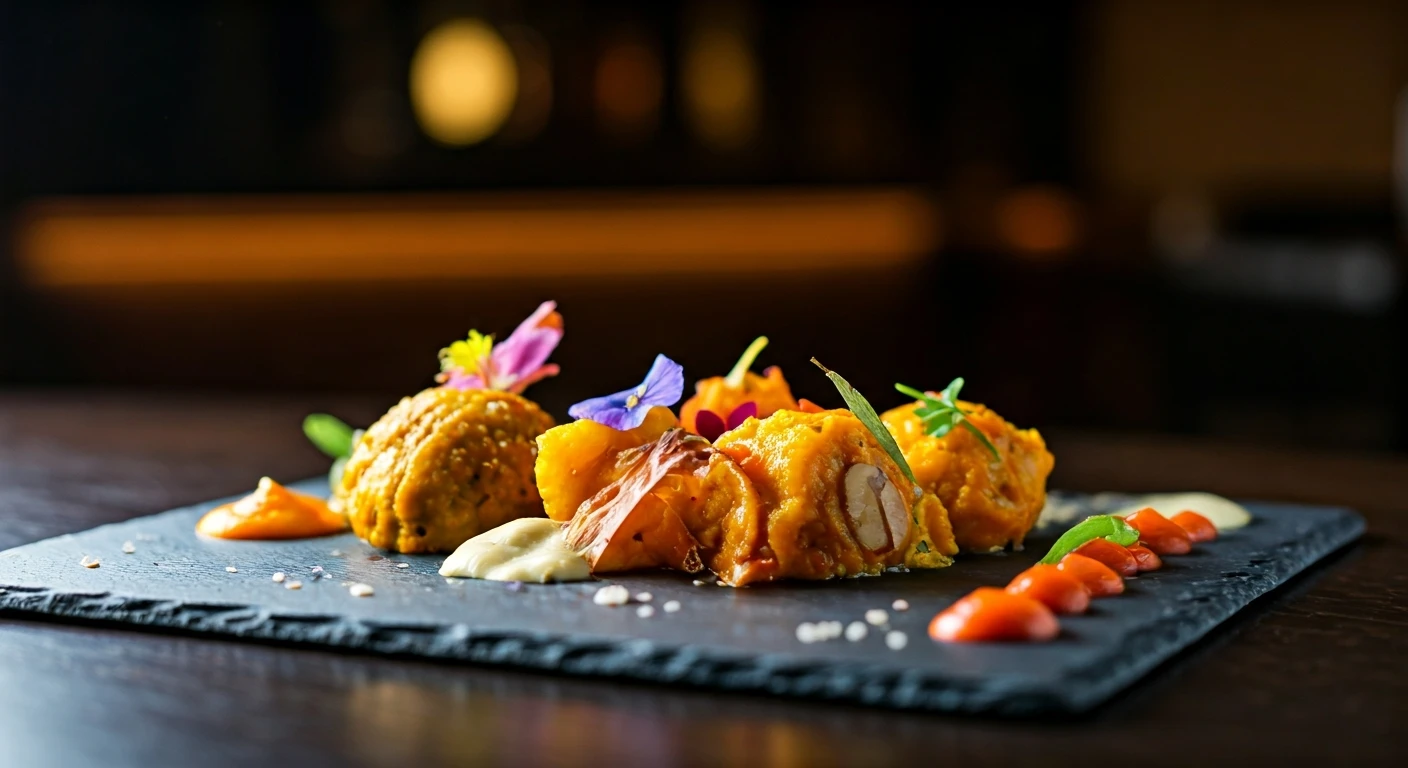
For the diner, the hyperlocal trend raises a legitimate question: Is this genuine culinary innovation or a pretentious gimmick? The answer is likely a bit of both, depending on the execution. When done well, it offers an unparalleled connection to food, a truly unique flavor experience, and a model for a more sustainable, community-focused way of eating. A dish becomes more than just food; it’s a story of place and season. However, when it’s merely a performative gesture—a few dusty planters of basil on a windowsill—it can feel like a justification for an inflated bill. The discerning diner can often taste the difference between genuine commitment and a green-washed marketing ploy.