




Start With a Solid Foundation
Flawless rainy-day makeup begins long before you pick up a brush. The real work starts with your skin prep. Humidity is the enemy of longevity, causing products to slip and slide. To combat this, you need to create a smooth, resilient canvas. After cleansing,
apply a lightweight, oil-free moisturizer. Then, the non-negotiable step: primer. Look for a mattifying or pore-filling primer, especially for your T-zone. These formulas create a grippy barrier between your skin and your makeup, controlling oil and preventing foundation from breaking down when the air gets heavy and damp. Think of it as waterproofing your face from the inside out. Allow your primer to set for a full minute before moving on; this ensures it has time to form a proper film.
Choose Your Formulas Wisely
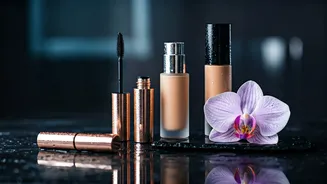
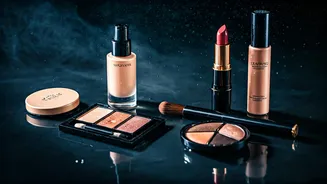
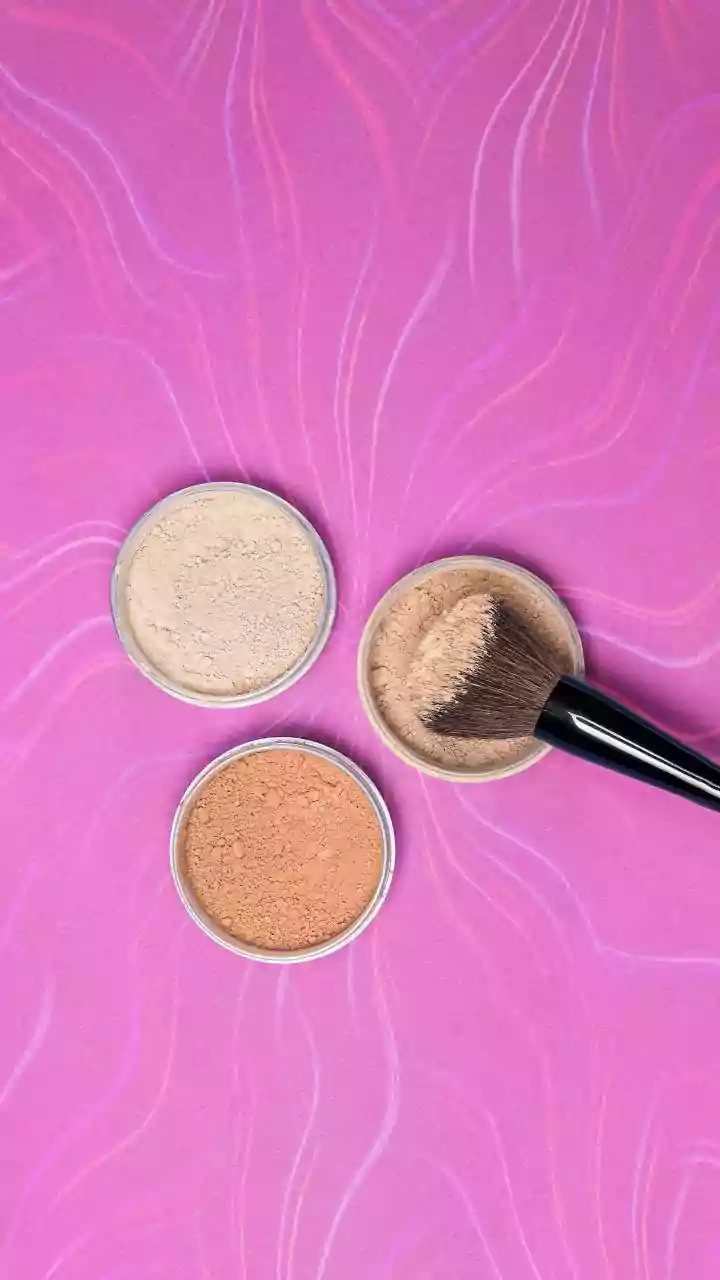
When it comes to rain-proofing, not all makeup is created equal. This is the time to audit your makeup bag for long-wear and waterproof formulas. Swap your powder blush for a cream or liquid stain, which melts into the skin and won't streak or turn patchy if it gets damp. For foundation, a long-wear liquid formula is your best bet, as powders can become cakey in humid air. The most critical area is your eyes. Waterproof mascara is a given, but also consider a waterproof liquid eyeliner over a kohl pencil, which is more prone to smudging. For lips, a liquid lipstick that dries down to a matte or satin finish will outlast any traditional cream lipstick or gloss, which can easily be wiped away by a coat collar or an umbrella mishap.
Master the Art of Application
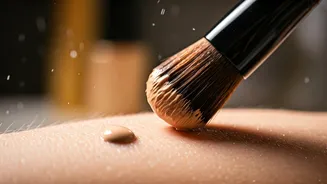
How you apply your products is just as important as which ones you choose. The key principle for humid weather is 'less is more,' applied in thin, strategic layers. Instead of applying a thick coat of foundation, build it up slowly and only where you need it. Use a damp beauty sponge to press and stipple the product into your skin. This technique sheers out the formula and melds it with your skin for a more natural, durable finish that’s less likely to move. The same goes for concealer and cream blush. Apply a little, blend it out completely, and then assess if you need more. This layering technique creates a stronger, more flexible finish that can withstand the elements far better than a single, heavy layer.
Lock It All In Place
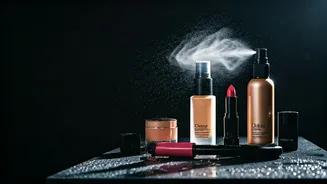
If primer is the foundation of your fortress, setting spray is the final lock on the gate. This is perhaps the most crucial 'secret' used by makeup artists for red carpets and outdoor events. A good setting spray forms a weightless, invisible film over your makeup, shielding it from humidity, sweat, and, yes, rain. After you’ve finished all your makeup—powder, blush, brows, everything—hold the bottle about eight to ten inches from your face and mist it on in an 'X' and 'T' formation. For extra staying power, you can even spray your foundation brush or sponge with setting spray before blending your base. Choose a matte-finish spray to fight shine or a radiant one if you prefer a dewy glow without the risk of a total meltdown.
Tame the Frizz Factor
Makeup is only half the battle; humid, rainy weather is notorious for turning sleek hair into a frizzy halo. The key is to create a shield against moisture. Start with a frizz-control shampoo and conditioner. Before styling, work an anti-humectant serum or cream through your damp hair. Products containing silicone are particularly effective, as they coat the hair shaft and block moisture from penetrating and causing it to swell. When you blow-dry, point the nozzle downward to keep the hair cuticles flat and smooth. On the absolute rainiest days, consider a chic, controlled hairstyle. A sleek ponytail, a polished top knot, or an elegant braid are not only stylish but are structurally less susceptible to the effects of wind and rain, ensuring you look put-together no matter the forecast.