


1. Training for Longevity, Not Just PBs
Remember when every workout was about hitting a new personal best (PB) or lifting heavier than the week before? That mindset is being replaced by a much smarter goal: longevity. The 2026 fitness landscape is less about peak performance today and more
about feeling good and moving well in 2046. This means a surge in 'longevity training'—workouts designed to improve healthspan, not just lifespan. Think less about brutal CrossFit WODs and more about functional strength that mimics daily life: carrying groceries, playing with your kids, and getting up off the floor with ease. This involves a focus on mobility, stability, and building muscle to support your joints and metabolism for decades to come. It’s the ultimate sensible shift—training for the life you want to live, not just the workout you want to crush.
2. Recovery Becomes the Main Event
Recovery used to be an afterthought—a quick, half-hearted quad stretch or a protein shake chugged on the way out of the gym. Now, it’s a non-negotiable, central pillar of fitness. The coming years will see recovery move from a passive activity to an active pursuit. Expect to see dedicated recovery studios become as common as boutique spin classes, offering everything from contrast therapy (hot/cold plunges) to compression boots and AI-driven stretching guides. Wearable tech is already driving this, providing real-time data on sleep quality and recovery scores that people are actually paying attention to. The sensible logic here is undeniable: you don't get stronger during your workout; you get stronger when your body repairs the damage. By treating rest with the same seriousness as reps, we’re finally acknowledging that progress requires downtime.
3. The Rise of Low-Impact Strength
For a long time, 'low-impact' was incorrectly seen as 'low-intensity' or 'less effective.' That misconception is dead. Fueled by the Pilates and reformer craze, and amplified by a new appreciation for joint health, low-impact strength training is becoming the default for millions. Workouts like Pilates, rowing, and specific forms of strength training (like using kettlebells for controlled swings rather than explosive, high-risk movements) deliver incredible benefits without the wear and tear of high-impact exercises like burpees and box jumps. This approach allows for greater consistency because you’re less likely to be sidelined by injury. It’s a fitness philosophy that works *with* your body, building strength and resilience without demanding a painful price.
4. The 'Social Snack' Workout
The pandemic reminded us that community is a fundamental human need, and the fitness world has taken note. While solo home workouts have their place, the next big trend is the 'social snack'—short, accessible, and fun activities centered on connection. This is the driving force behind the meteoric rise of pickleball, the explosion of walking clubs, and the popularity of casual group hikes. These activities cleverly disguise exercise as socializing. They lower the barrier to entry, requiring little equipment and a minimal time commitment. The goal isn't to burn a thousand calories; it's to move your body, get some fresh air, and connect with other people. This trend recognizes that mental and social health are inextricably linked to physical health, making fitness feel less like a chore and more like a joy.
5. Mindful Movement and Somatics
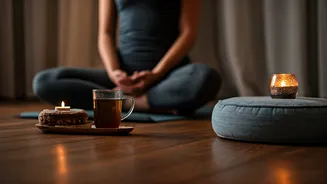
The mind-body connection is moving beyond the yoga mat. The next wave of sensible fitness is about 'somatics'—the practice of tuning into your body's internal sensations. It’s less about what a movement looks like from the outside and more about what it feels like from the inside. This trend encourages people to ditch the 'go harder' mentality and instead ask, 'What does my body need today?' Some days that might be a challenging run; other days it might be gentle stretching, breathwork, or even just a nap. This intuitive approach dismantles the guilt and rigidity that have plagued fitness for so long. It re-establishes a trusting relationship with your body, positioning movement as a form of self-care and communication, not a punishment for what you ate.