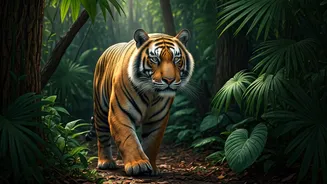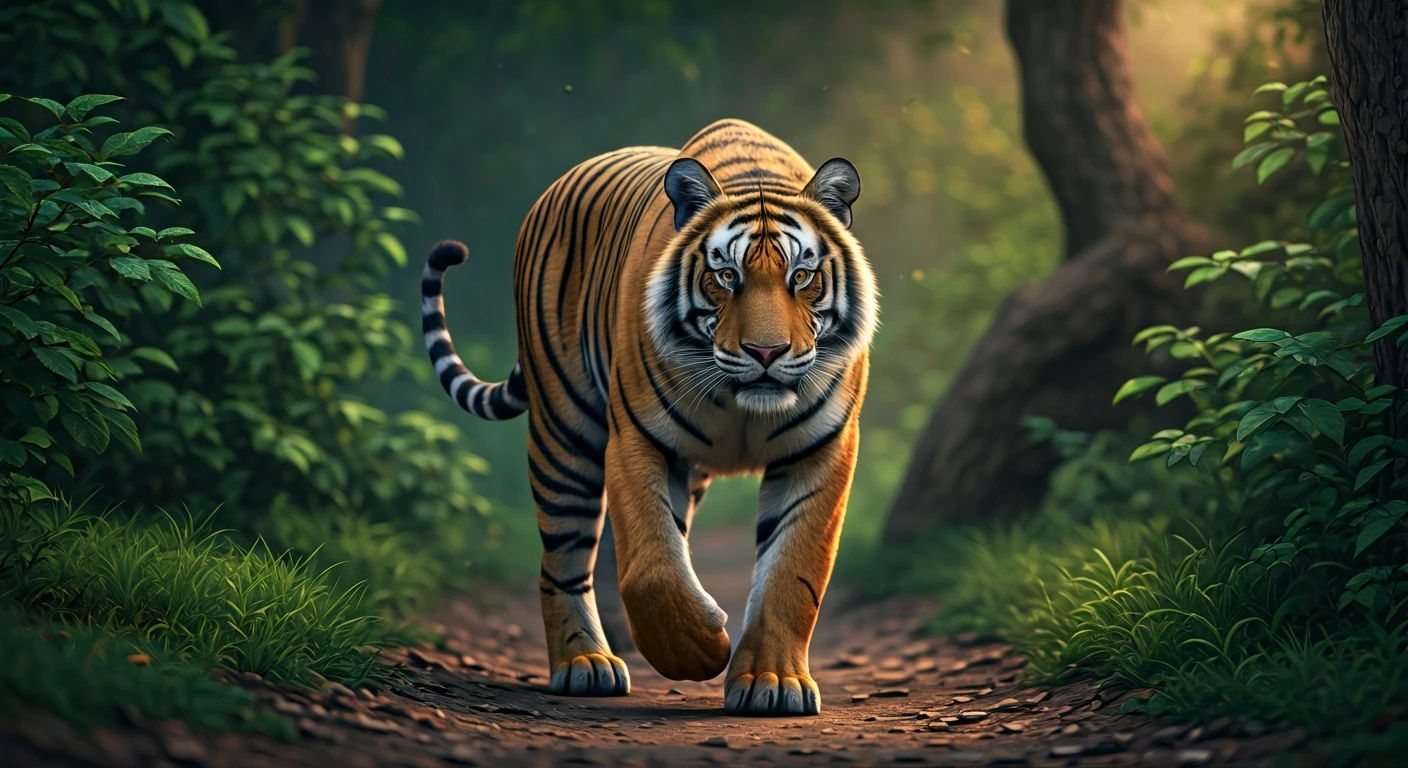


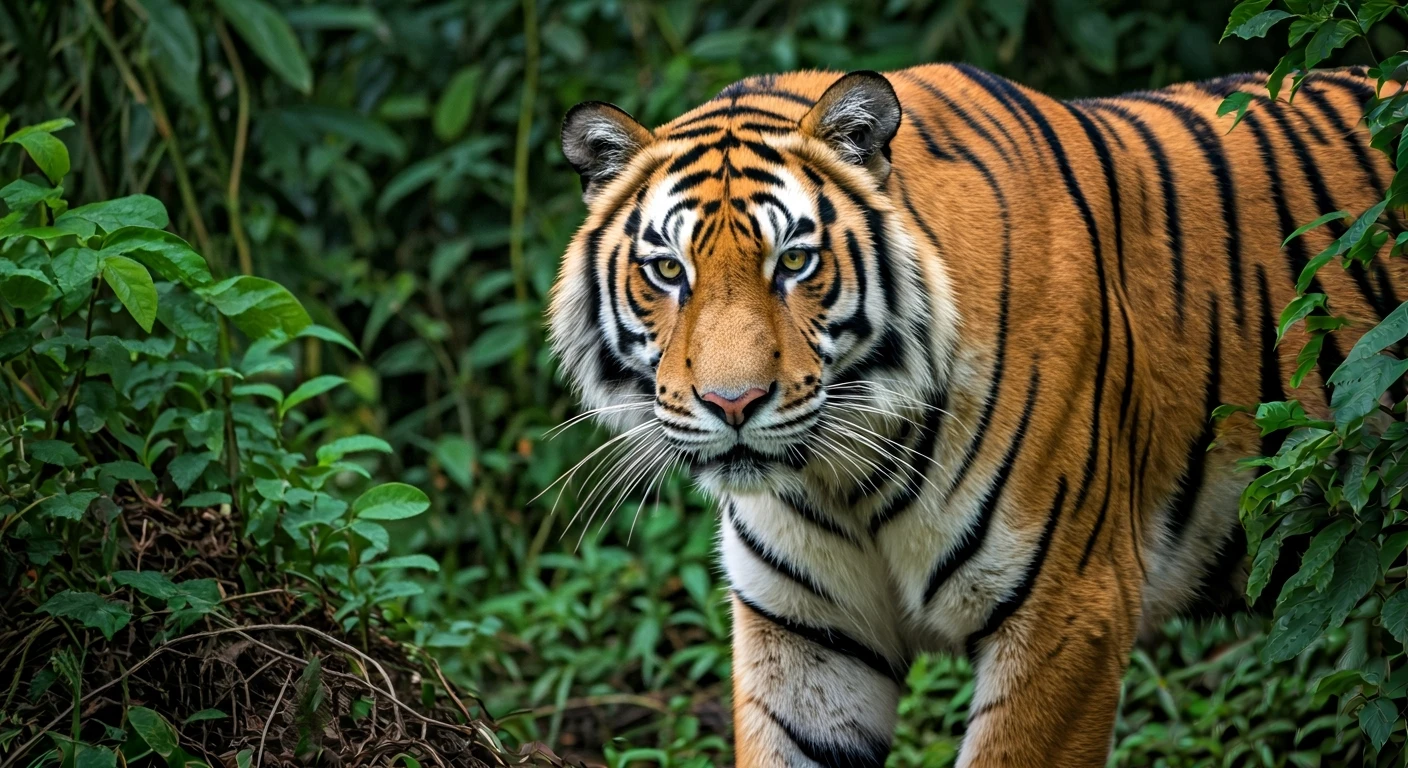
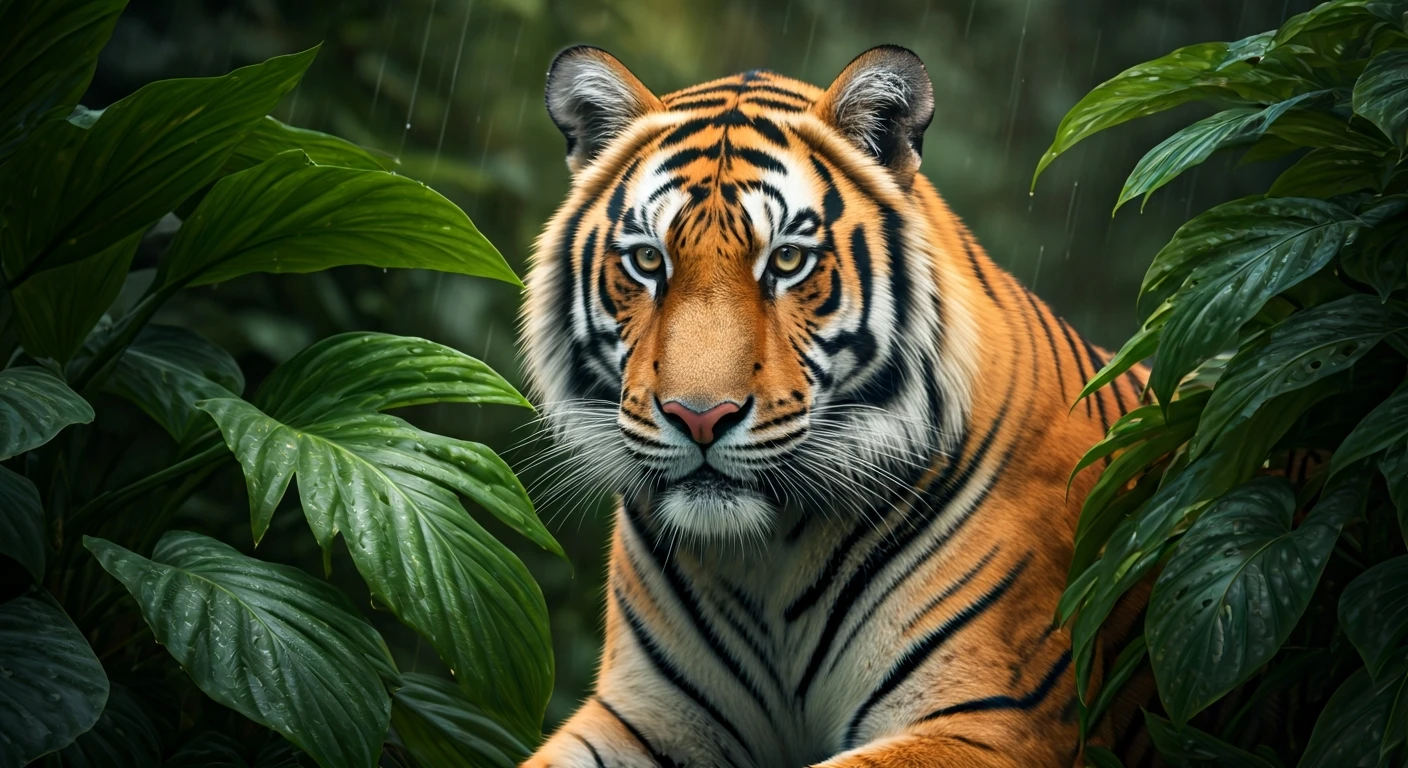
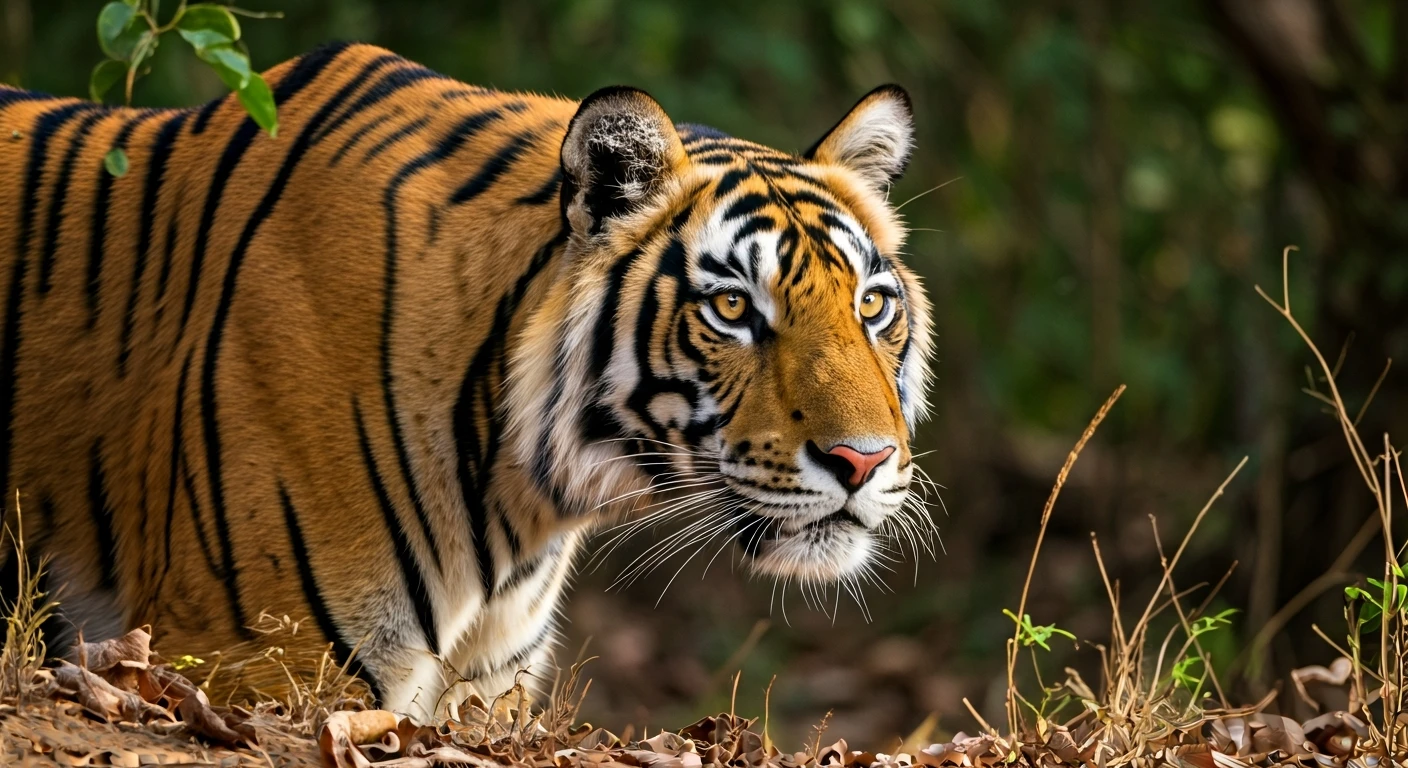
The Last Call for Tiger Country
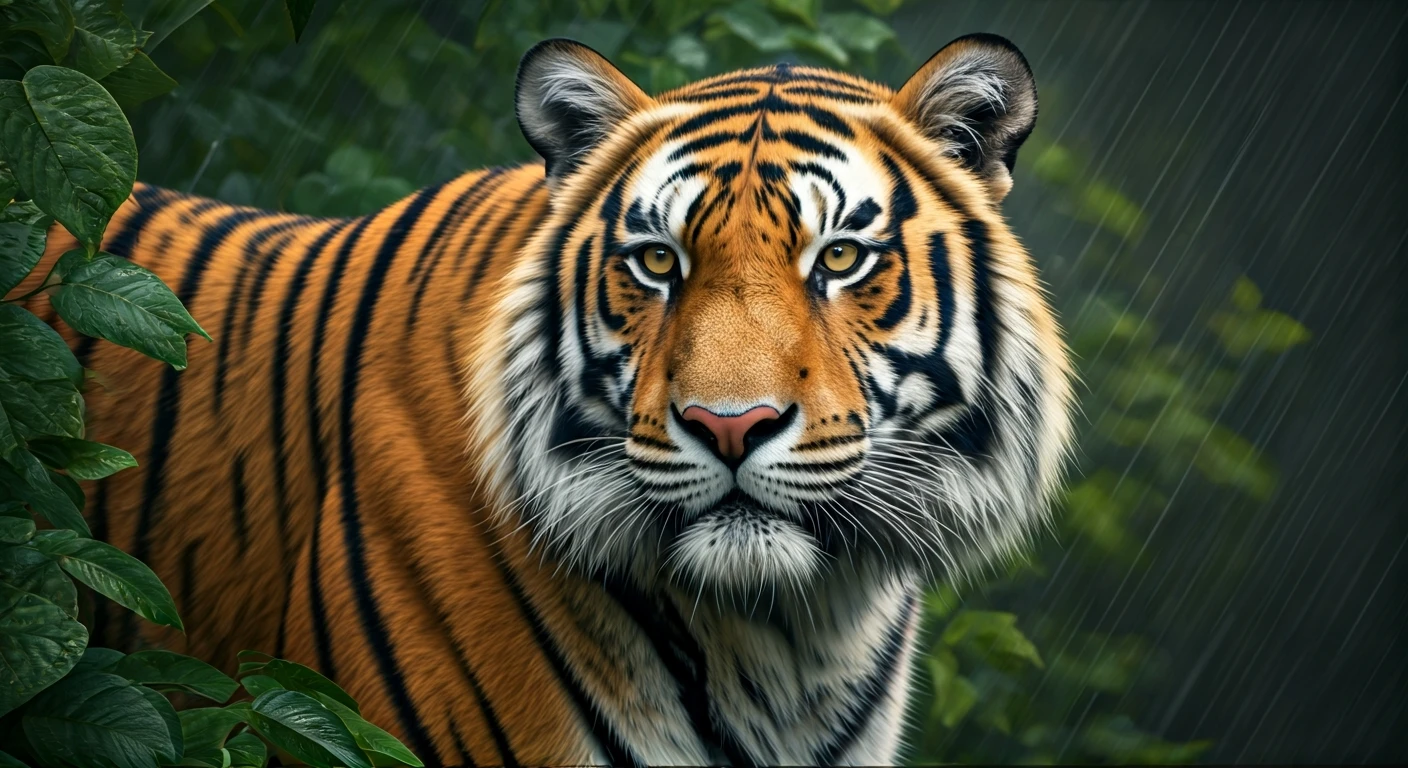
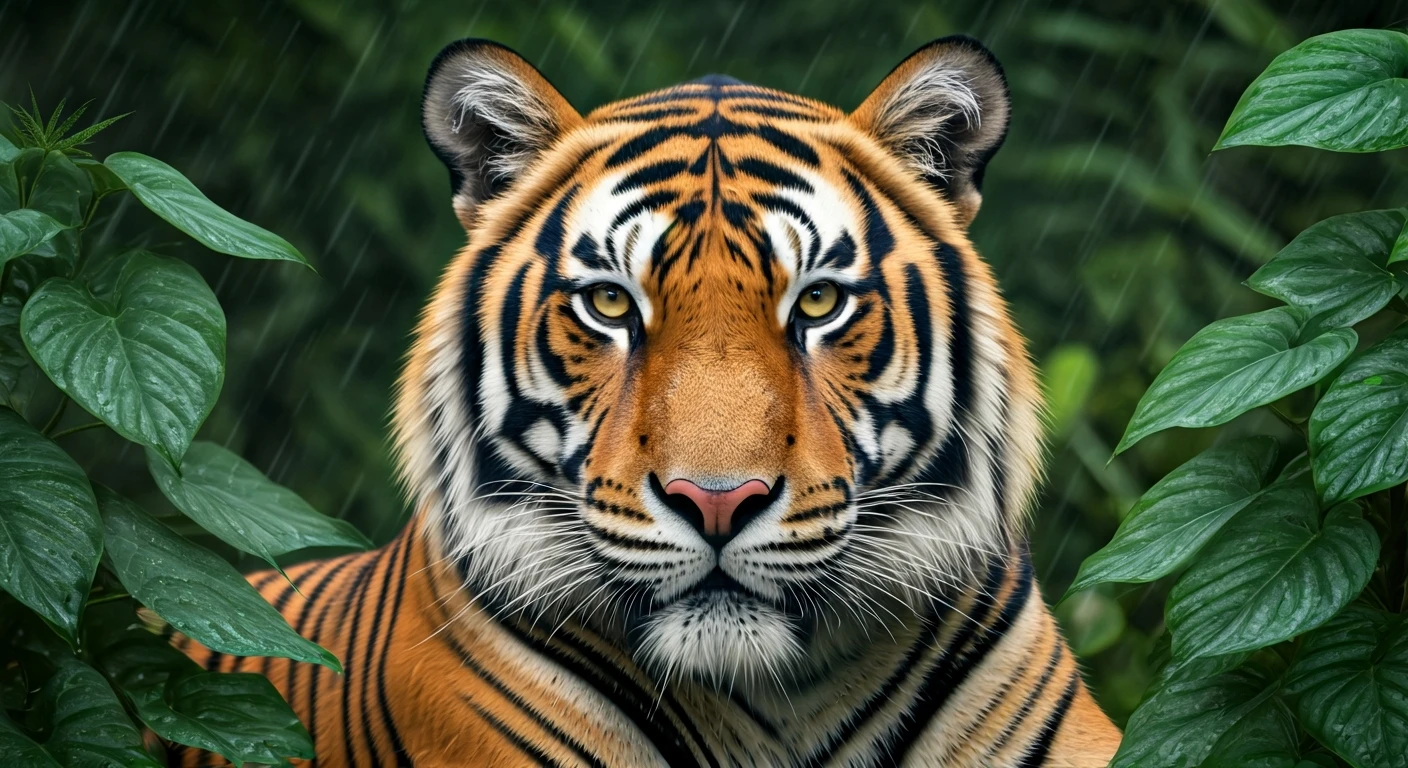
For American travelers dreaming of seeing a Bengal tiger in its natural habitat, the clock is ticking. In the heart of India, in the state of Madhya Pradesh, two of the world's most revered wildlife sanctuaries are making their final preparations for
a long, wet slumber. Every year, around the end of June, the gates to Bandhavgarh and Kanha National Parks swing shut, not reopening until mid-October. This isn't a bureaucratic whim; it's a surrender to the awesome power of the Indian monsoon. As the final safari jeeps make their dusty rounds, there’s a palpable sense of urgency. Guides and trackers are on high alert, knowing that each sighting could be the last for months. For wildlife enthusiasts, this pre-monsoon period represents a fleeting, golden opportunity to witness the drama of the jungle before the rains wash it all clean.
Bandhavgarh: The Fortress of the Tiger
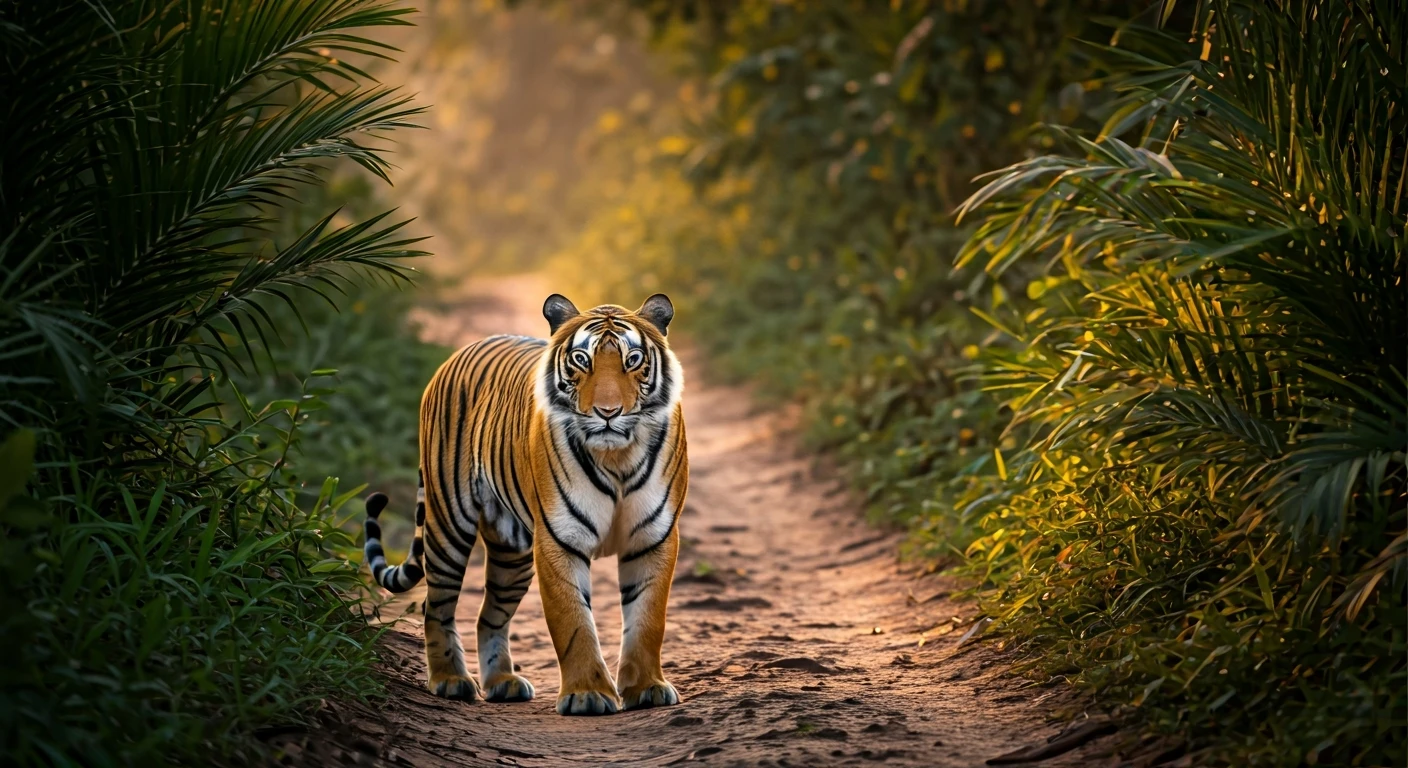
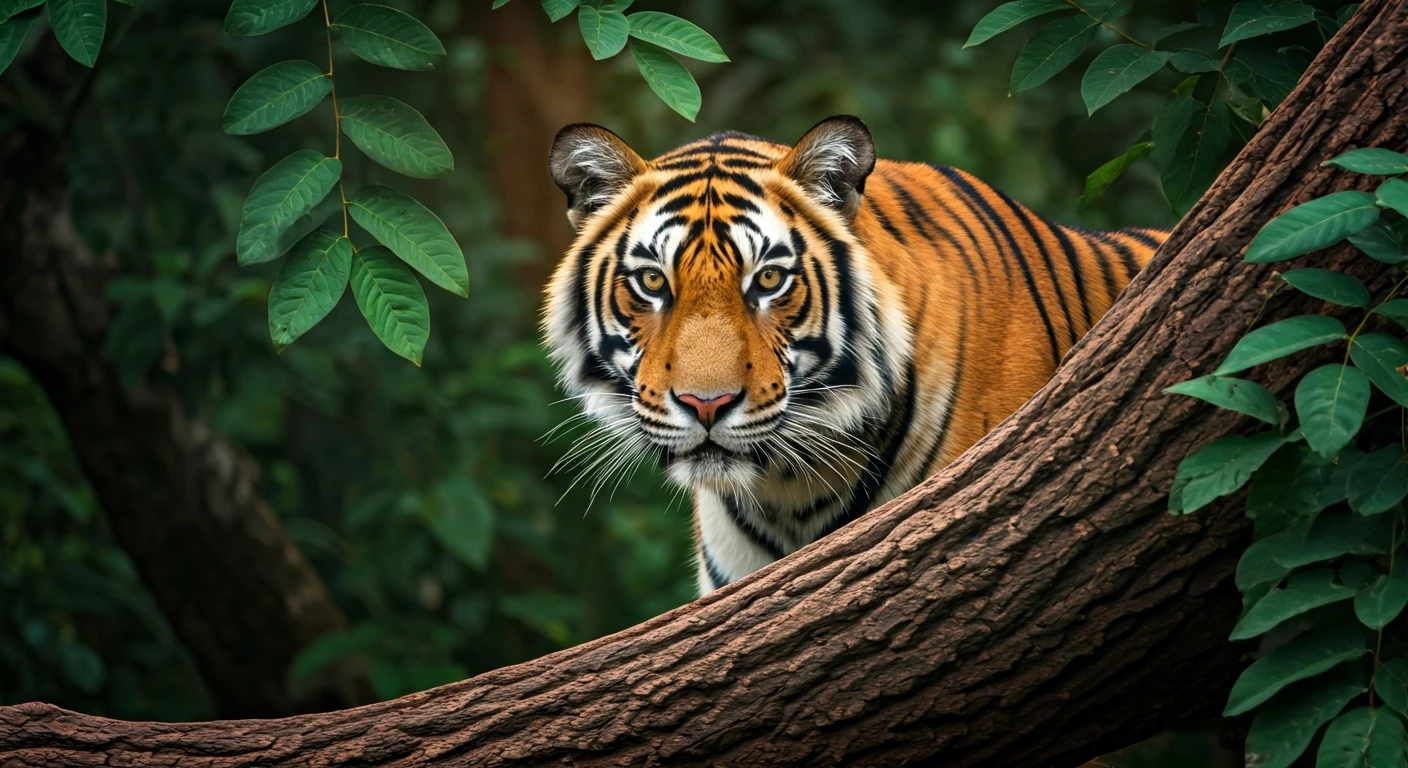
Bandhavgarh is not just a park; it's a legend. Known for having one of the highest densities of tigers in India, it offers perhaps the most reliable chance of a sighting on the subcontinent. The park’s dramatic terrain is dominated by a 2,000-year-old fort perched on a cliff, its ancient walls overlooking valleys where tigers roam. A safari here is a journey through both nature and history. The landscape is a mix of steep, rocky hills and dense sal forests, creating natural corridors for predators. Beyond the star attraction, Bandhavgarh is home to leopards, sloth bears, and a rich array of birdlife. But it is the tiger that reigns supreme, its presence felt even when unseen, with pugmarks on the dirt tracks and alarm calls of deer echoing through the trees. To see a tiger here, against the backdrop of ancient ruins, is an unforgettable experience.
Kanha: The Land of The Jungle Book
If Bandhavgarh is dramatic and dense, Kanha is sprawling and majestic. Its vast meadows, or 'maidans,' and towering sal forests are so picturesque that they inspired Rudyard Kipling’s classic, *The Jungle Book*. A visit to Kanha feels like stepping into that beloved story. While also a premier tiger reserve, Kanha's sheer size gives it a different feel—more expansive and wild. It’s a crucial stronghold not just for tigers but also for the rare barasingha, or hard-ground swamp deer, a conservation success story that saw the species pulled back from the brink of extinction right here. Safaris in Kanha are about soaking in the scale of the wilderness, watching herds of deer graze peacefully in misty morning meadows, and scanning the tree lines for the elusive leopard or the mighty gaur (Indian bison). It offers a more holistic jungle experience, where the tiger is the crown jewel in a much larger treasure chest.
Why the Monsoon Shutdown is Essential
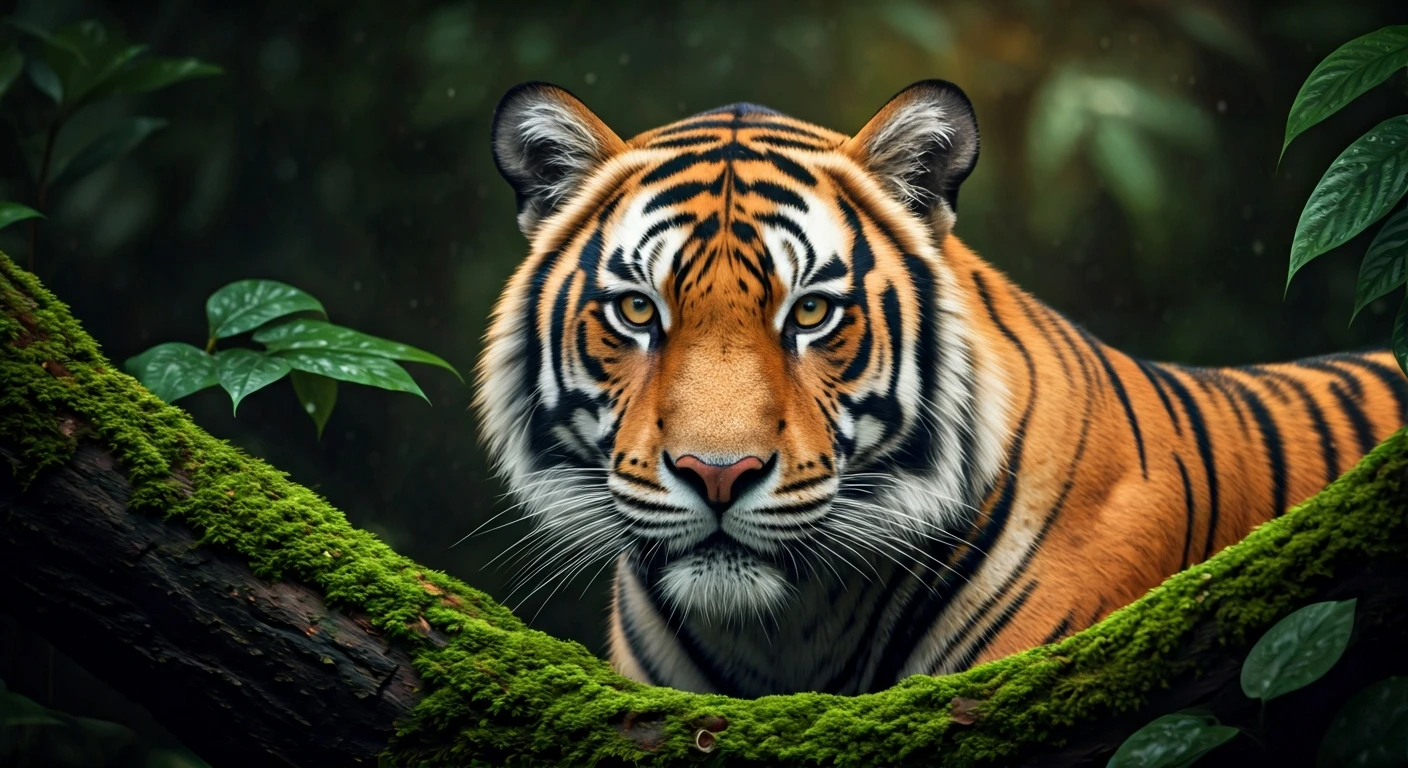
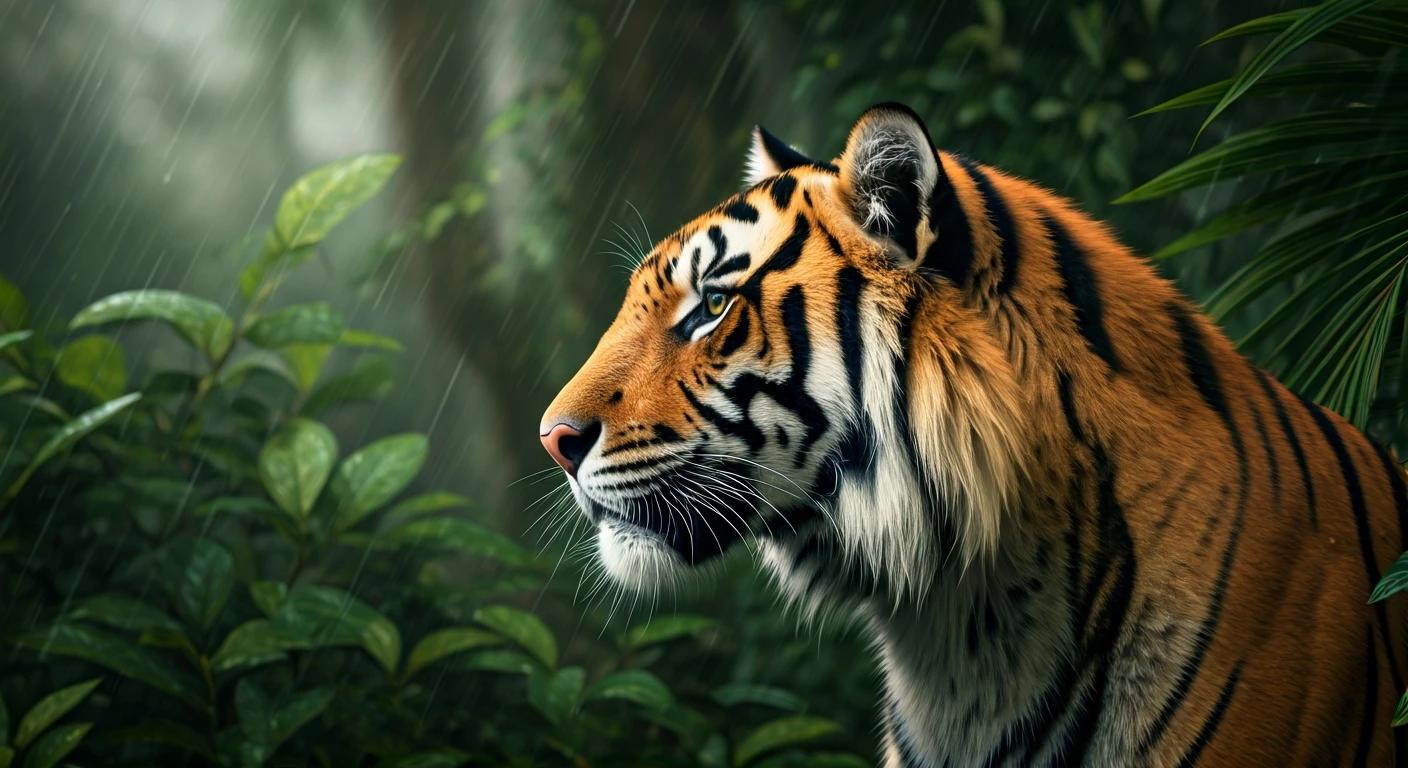
The annual closure is a critical part of the ecological cycle. When the monsoon arrives in July, it unleashes torrential rains that transform the dry, dusty landscape into a sea of mud. The dirt tracks used for safaris become impassable and dangerous. More importantly, the shutdown provides a much-needed respite for the ecosystem. It is a time of renewal and rebirth. The vegetation explodes into lush greenery, waterholes are replenished, and the animals are given privacy during a crucial breeding season for many species. Free from the rumble of safari vehicles and the gaze of tourists, the forest breathes. This period of quiet allows nature to reset, ensuring the parks remain healthy and vibrant for the animals that live there and for the visitors who will return in the fall.