



The Probiotic Boom Explained
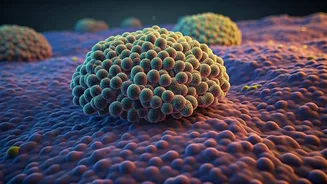
Walk down any grocery store aisle, and you’ll be inundated with products boasting their probiotic content. From yogurt and kefir to kimchi and pricey supplements, “good bacteria” are everywhere. Probiotics are live microorganisms that, when administered
in adequate amounts, confer a health benefit on the host. The idea is simple: add beneficial bugs to your gut to improve digestion, boost immunity, and more. This concept, backed by some promising science and a whole lot of savvy marketing, has created a multi-billion dollar industry. And for some people dealing with specific issues, like bouncing back from a course of antibiotics, targeted probiotic use can indeed be helpful. The problem isn’t that probiotics are inherently bad; it’s that they’ve been sold as a silver bullet, a simple fix for a complex system.
The Limits of a Single-Ingredient Fix
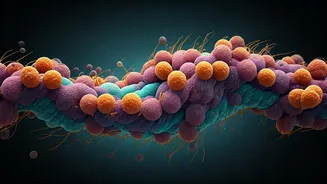
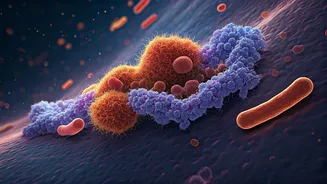
Imagine your gut microbiome as a lush, diverse rainforest. A probiotic supplement is like introducing one or two new species of birds. It might be helpful, but if the underlying environment is barren, those birds won't thrive, and they certainly won't transform the entire ecosystem. Registered dietitians emphasize that many commercial probiotics contain a limited number of bacterial strains. Your gut, however, is home to trillions of bacteria from thousands of different species. True gut health comes from diversity. Bombarding your system with a high dose of a single strain from a supplement doesn't automatically create that diversity. In fact, without the right foundation, those supplemental bacteria may just be passing through, offering only a temporary benefit, if any at all. You can’t supplement your way out of a diet that lacks variety and fiber.
The Real Foundation: Feeding Your Flora
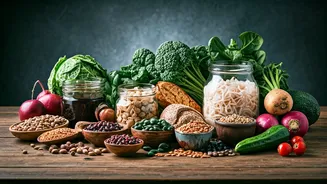
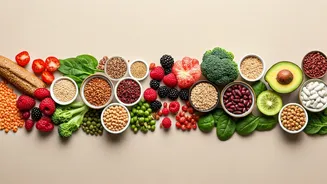
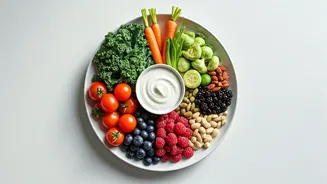
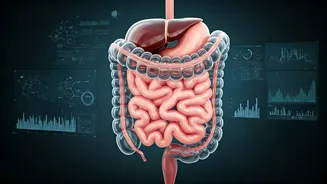
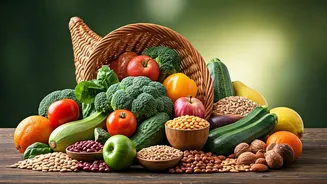
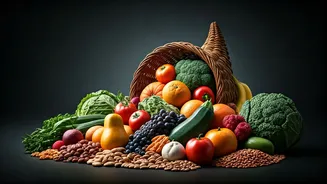
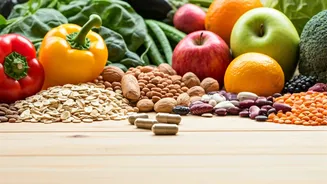
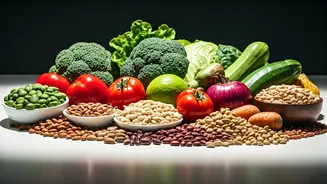
This is where the dietitian’s core message comes in: instead of just adding new bacteria, we need to focus on feeding the trillions of good ones we already have. The food for our gut bacteria is called prebiotics. Prebiotics are types of dietary fiber found in plant-based foods that our bodies can’t digest. They pass through to the large intestine, where they become fuel for our resident microbes. When these microbes feast on prebiotic fiber, they produce beneficial compounds called short-chain fatty acids (SCFAs), which have anti-inflammatory effects and are crucial for a healthy gut lining. The best source of prebiotics isn’t a pill; it’s a wide variety of fruits, vegetables, whole grains, nuts, seeds, and legumes. This is what experts mean by “varied meals.” A diet rich in different plant foods creates a flourishing internal ecosystem that’s far more resilient and beneficial than one propped up by a single supplement.
How to Actually Diversify Your Diet
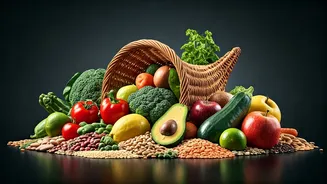
The idea of eating a more varied diet can sound daunting, but it doesn't have to be. The goal isn't perfection; it’s progress. One popular benchmark among gut health experts is to aim for 30 different plant foods per week. This sounds like a lot, but it’s more achievable than you think when you count every fruit, vegetable, herb, spice, nut, seed, and whole grain. Start small: - If you make a salad, add a sprinkle of sunflower seeds or a few different types of lettuce. - When you roast vegetables, use broccoli, carrots, and onions instead of just one. - Add a handful of spinach to your smoothie or a can of beans to your soup. - Try one new fruit or vegetable from the grocery store each week. - Choose mixed nuts instead of just almonds or a multi-grain bread instead of white. Each new plant you introduce provides different fibers and phytonutrients, feeding different families of bacteria and contributing to a more robust and capable microbiome. It's a long-term strategy that builds health from the inside out.