



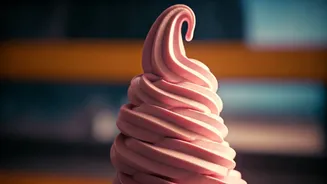
More Than Just Ice Cream
Let’s be clear: this isn't about the gallon tubs of generic vanilla that live in the back of your freezer. The trend that’s capturing the hearts of discerning, heat-fatigued foodies is all about high-quality, high-fat, intensely flavorful dairy. Think
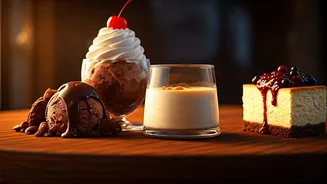
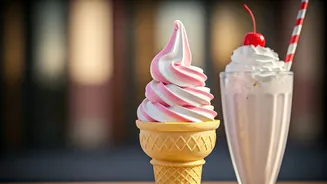
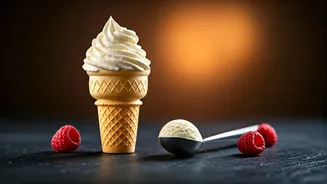
of the dense, velvety texture of frozen custard, which owes its smoothness to a higher concentration of egg yolks. Or consider the slow-churned intensity of artisanal gelato, which uses more milk than cream and is served at a slightly warmer temperature to let its flavors bloom. Even traditional American ice cream is getting a glow-up, with small-batch creameries focusing on “Philadelphia-style” (eggless) bases that let the pure flavor of the milk and cream shine through. This is a movement centered on texture and richness—a satisfying, palate-coating experience that a watery ice pop simply can't deliver.
A Craving for Comfort and Nostalgia
So, why the sudden return to full-fat dairy? In a word: comfort. In a world of endless wellness hacks and dietary restrictions, there's a powerful, almost rebellious appeal in a treat that is unapologetically itself. These desserts are deeply rooted in nostalgia. Frozen custard evokes memories of boardwalks and state fairs. A perfect scoop of strawberry ice cream, made with fresh local cream and summer berries, can transport you back to childhood picnics. Food experts suggest that in times of uncertainty, consumers gravitate toward familiar, comforting flavors. The unadulterated pleasure of a truly great dairy dessert provides a moment of simple, uncomplicated joy. It's a small luxury, an affordable indulgence that feels both special and deeply familiar.
The Anti-Wellness Wave
For the better part of a decade, the frozen dessert aisle was a battleground of “better-for-you” options. We saw the rise of protein-packed, low-calorie pints and an explosion of non-dairy alternatives made from almonds, oats, and even avocados. While those options aren’t going away, their dominance is being challenged by a form of palate fatigue. Some consumers are realizing that the substitute often fails to deliver the satisfaction of the real thing. The current dairy-forward trend can be seen as a quiet pushback against the most restrictive corners of wellness culture. It represents a shift toward intuitive eating and food freedom—the idea that you should eat what makes you feel good, and sometimes what feels good is a scoop of rich, creamy, 8% butterfat chocolate ice cream, not a chalky imitation.
The Craft Creamery Effect
This dairy renaissance is being led not by massive corporations, but by a new generation of artisanal makers. All across the country, small-batch creameries are becoming neighborhood hubs, celebrated for their commitment to craft and quality. They source their milk from local farms, pasteurize their own bases, and get creative with flavor profiles that go far beyond chocolate and vanilla. You’ll find sweet corn gelato in the Midwest, olive oil ice cream in California, and coffee-with-beignets-flavored scoops in New Orleans. These shops are for dairy what third-wave coffee shops are for caffeine: they elevate a familiar product into an experience. They attract foodies who are willing to pay a premium for a product with a story, traceable ingredients, and, most importantly, superior taste. This focus on craft has turned the humble ice cream cone into a legitimate culinary destination.