
Understanding the Monsoon Challenge
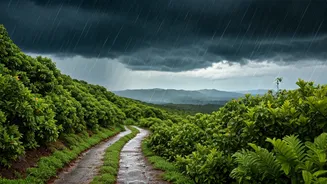
For Americans planning a trip, it’s crucial to understand that the monsoon, typically lasting from June to September, isn’t just a little rain. It’s a season of torrential downpours that can last for days, leading to widespread disruption. In a bustling
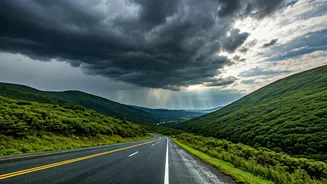
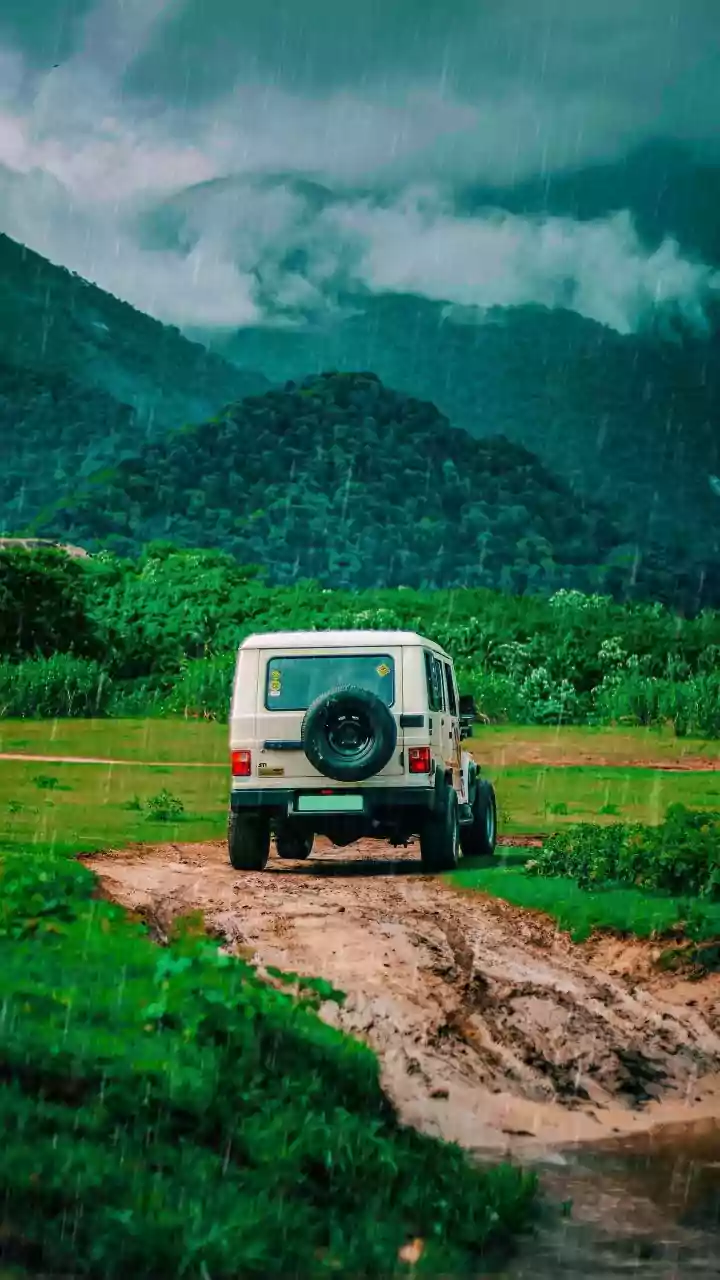
metropolis like Mumbai, this means streets can turn into rivers, bringing traffic to a standstill. In the scenic Western Ghats—a mountain range popular for its hill stations like Lonavala and Mahabaleshwar—the rains can trigger landslides, shutting down key highways and isolating villages for days. This isn't a reason to cancel your trip, but it is a compelling reason to plan meticulously. The headline isn't an exaggeration; it's the first rule of monsoon travel in the region. Success lies in anticipating the chaos and packing the right gear and attitude.
Gear Up: Waterproofing Is Non-Negotiable
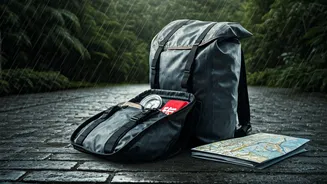
The phrase “waterproof bags” is the starting point, not the entire checklist. Assume everything will get wet. Your primary luggage, whether a suitcase or a backpack, should have a rain cover. Your daypack, holding your electronics and daily essentials, needs to be genuinely waterproof, not just water-resistant. Use dry bags—the kind kayakers use—inside your main pack to compartmentalize clothes and safeguard your passport, phone, and power bank. Electronics are especially vulnerable; a few extra Ziploc bags are lightweight lifesavers. Your clothing choices matter, too. Ditch the jeans and cotton, which take forever to dry and become heavy. Instead, pack quick-drying synthetic fabrics. As for footwear, sturdy sandals with good grip or waterproof hiking shoes are essential. You’ll likely be wading through ankle-deep water at some point, and you need shoes that can handle it without falling apart or giving you blisters.
Rethink Your Itinerary: The Art of Backup Routes
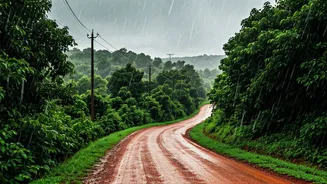
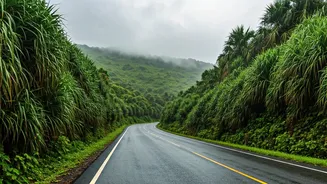
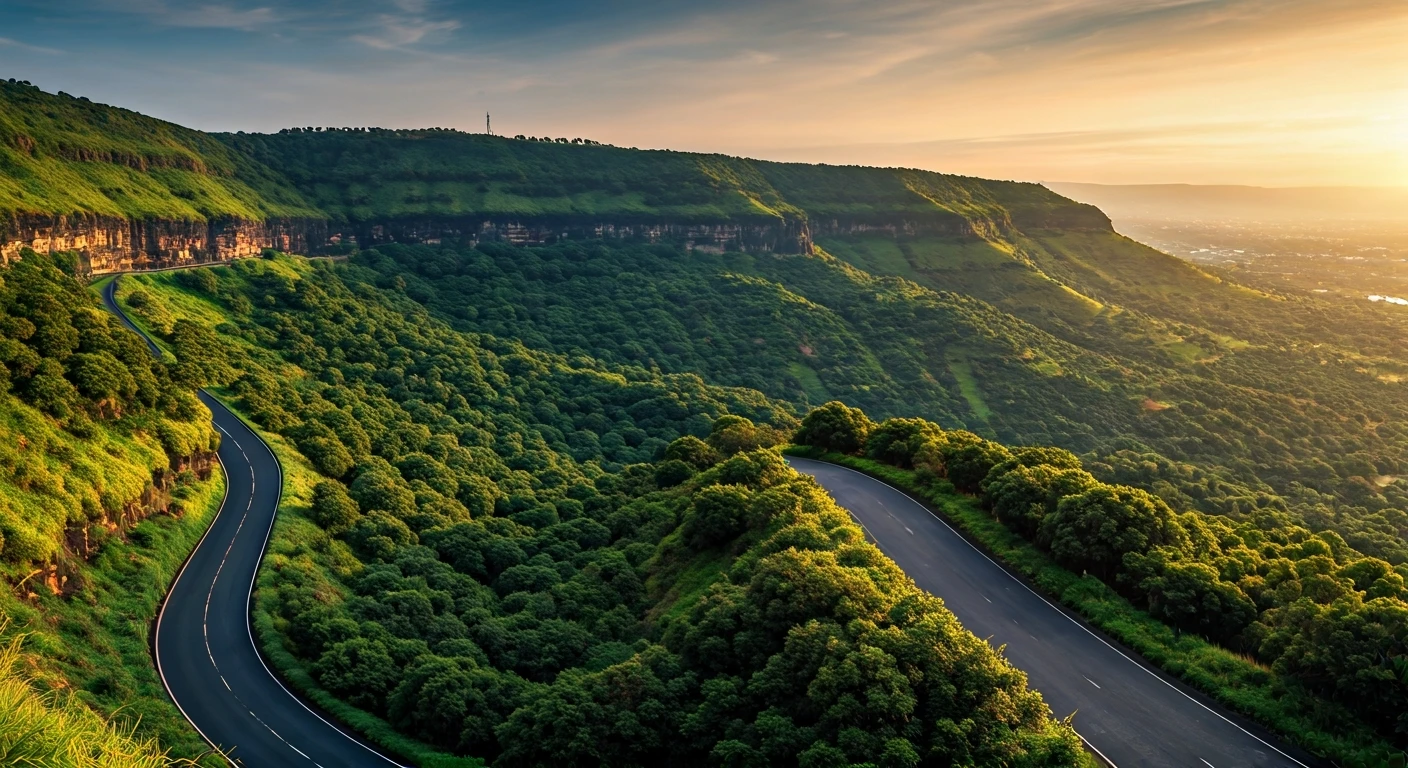
This is where “backup routes” become critical. A rigid, tightly scheduled itinerary is a recipe for frustration during the monsoon. The Mumbai-Pune Expressway, a modern marvel of engineering, can still face closures due to landslides or accidents. The charming, winding roads through the Ghats are even more susceptible. Instead of relying on a single route, build flexibility into your schedule. Consider the train, which is often more reliable than road travel during heavy rains, but be prepared for delays. When booking accommodations, ask about their accessibility during peak monsoon. More importantly, build buffer days into your trip. If you have a flight to catch from Mumbai, don’t plan to travel from a hill station on the same day. Arrive in the city at least a day early. This flexibility transforms a potential travel disaster into a minor inconvenience and perhaps an unexpected local adventure.
Stay Healthy and Informed
Navigating the monsoon isn’t just about logistics; it’s also about health. With flooding comes the risk of water-borne diseases. Avoid street food that isn’t freshly cooked in front of you and drink only bottled or purified water. Carry mosquito repellent, as the stagnant water creates breeding grounds for insects. Keep a small first-aid kit with essentials for cuts and scrapes, which can get infected easily in the damp climate. Beyond personal health, stay informed about the local situation. Download a reliable weather app and monitor local news reports for updates on road closures and flood warnings. Hotels and local guides are invaluable sources of real-time information. Knowing when to travel and when to stay put is the most important decision you’ll make each day.
The Reward: Finding Magic in the Mists
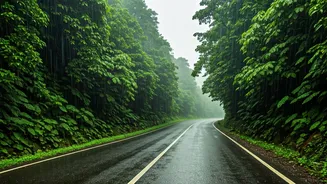
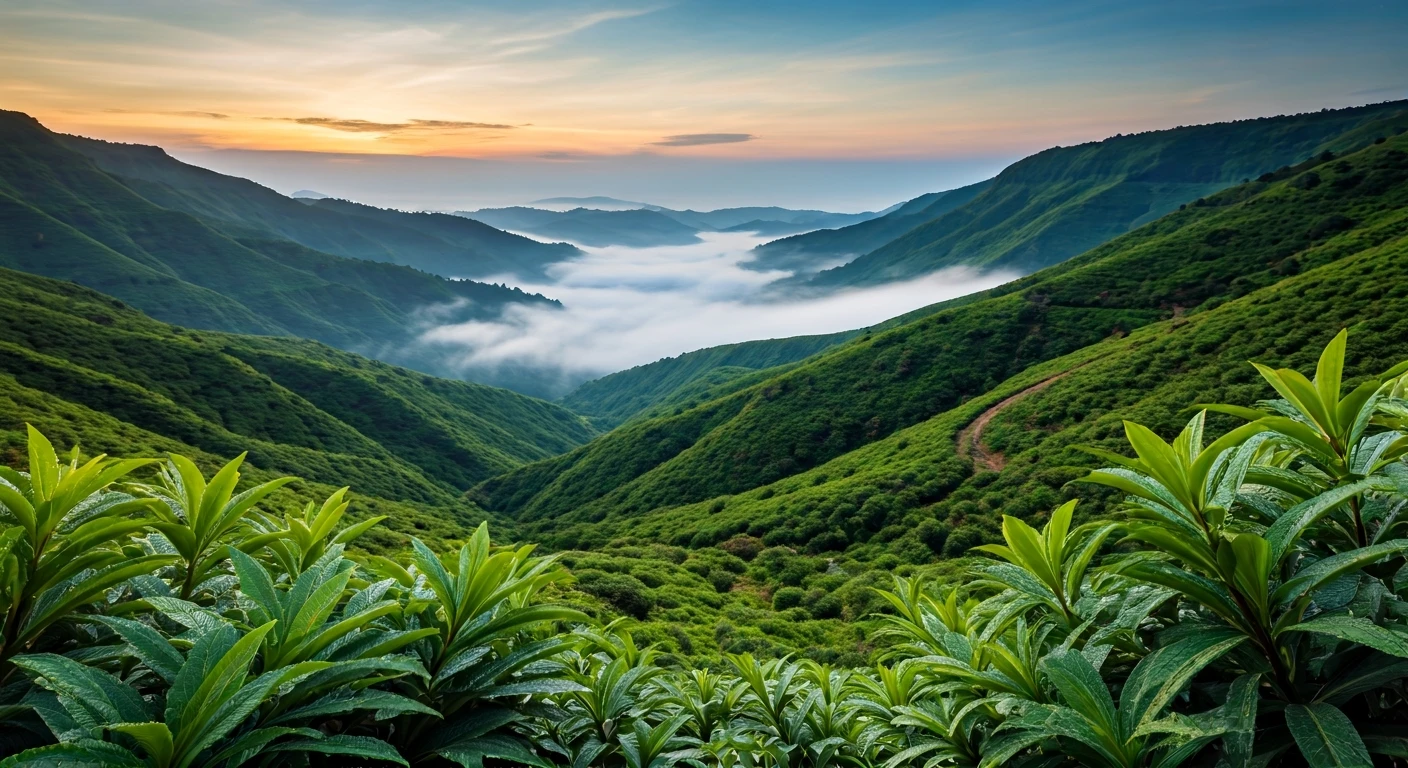
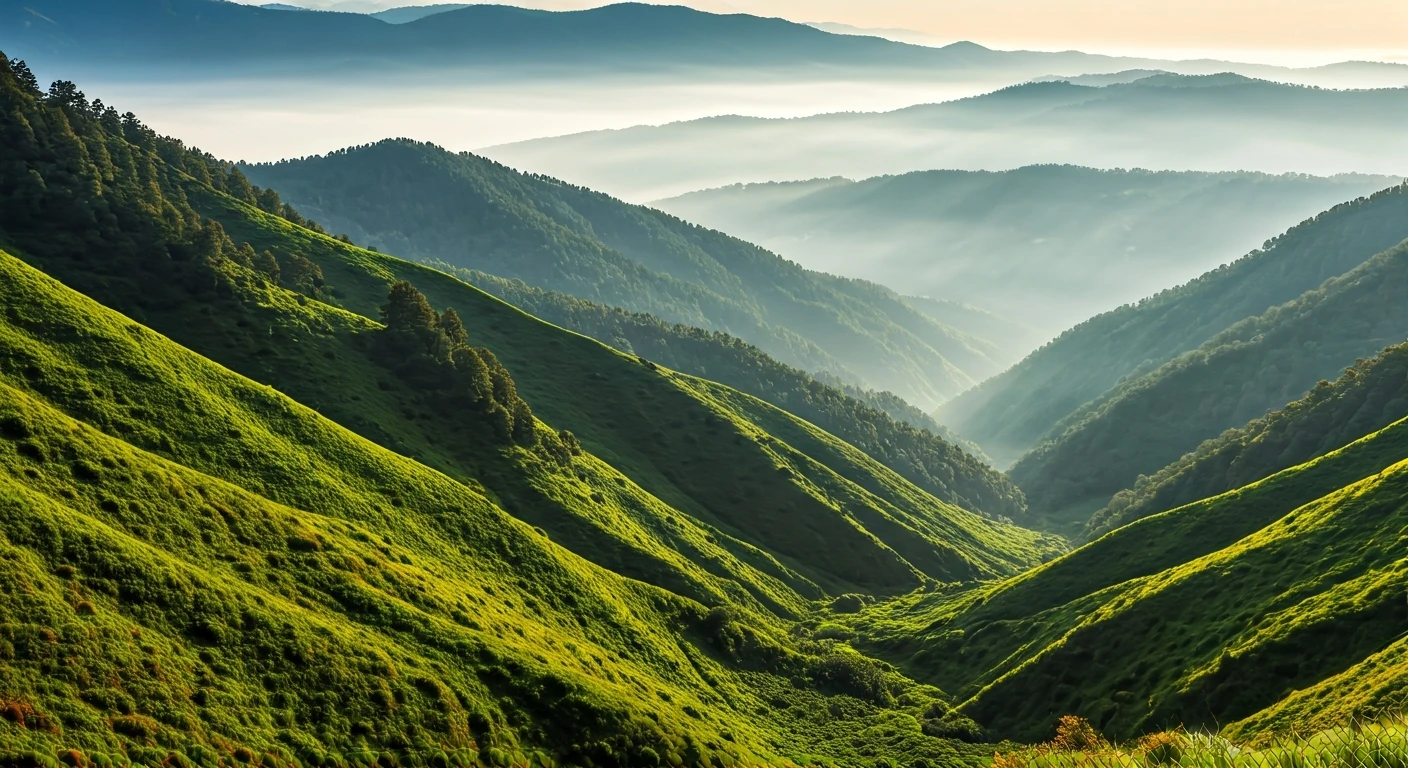
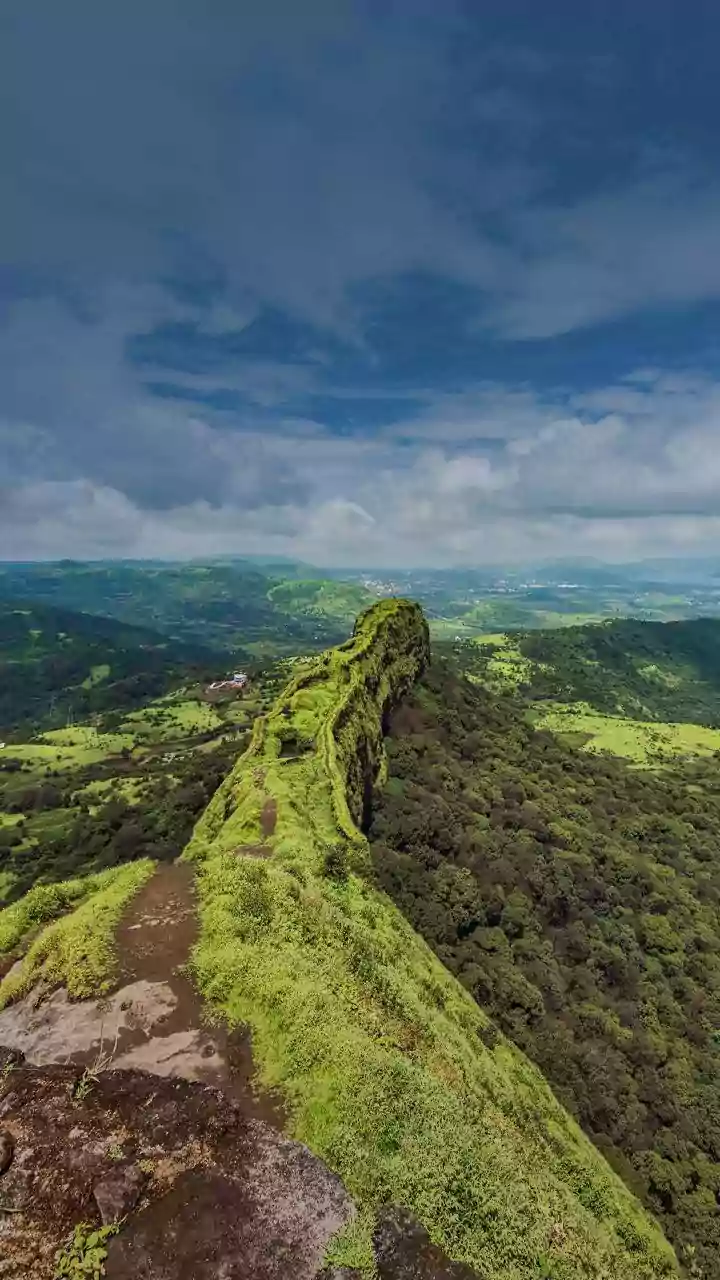
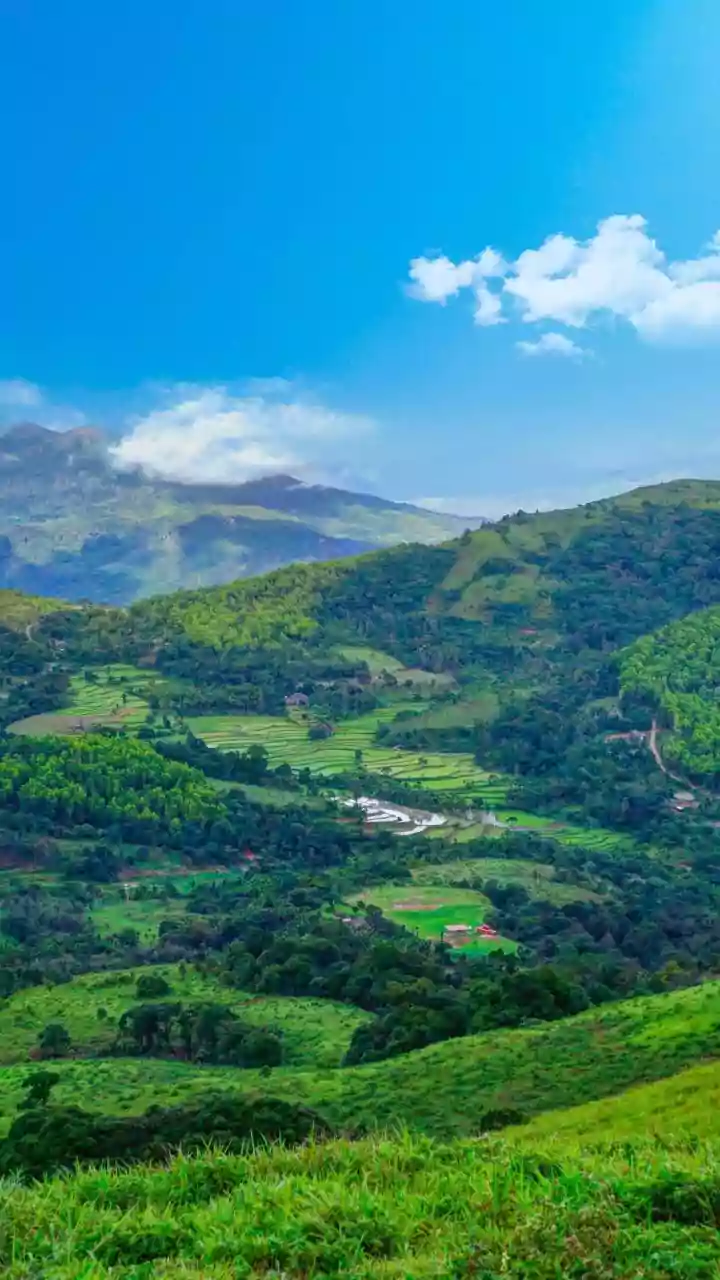
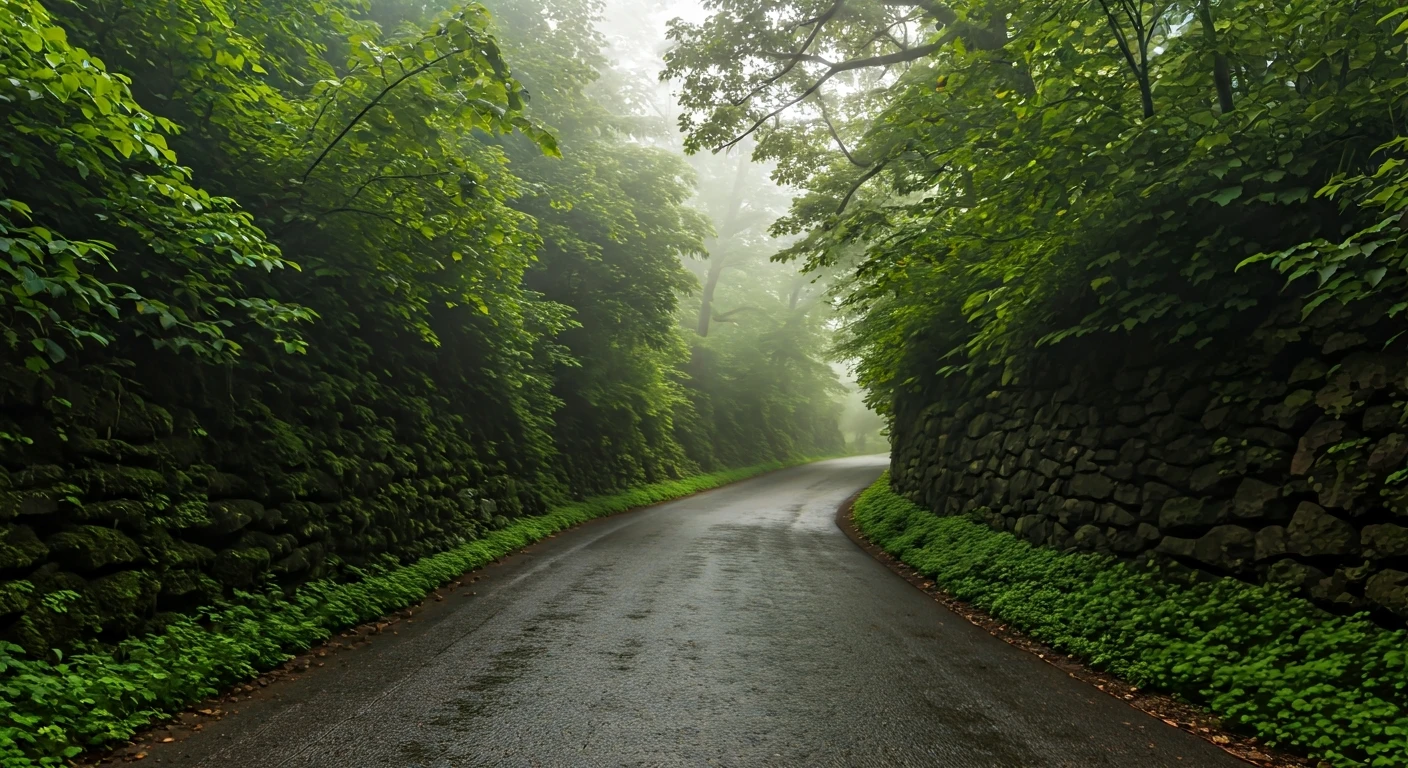
After all this talk of preparation and caution, you might wonder if it’s worth it. The answer is a resounding yes. For those who come prepared, the monsoon offers a view of Maharashtra that few tourists get to see. The dusty browns of summer are replaced by a thousand shades of vibrant green. Hillsides come alive with countless impromptu waterfalls, and the air is fresh and clean. The misty landscapes of the Western Ghats feel like something out of a fantasy novel. Destinations like the Bhandardara dam overflow with spectacular force, and the ancient forts scattered across the state take on an eerie, romantic quality. The monsoon is not just a weather event; it’s an experience. It’s the smell of wet earth, the taste of a hot chai on a rainy afternoon, and the breathtaking sight of nature in its most powerful and rejuvenating state.