





Prioritize the Protein-Fiber Pair
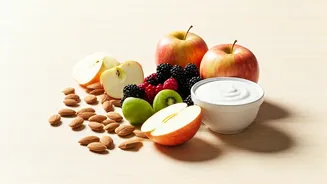
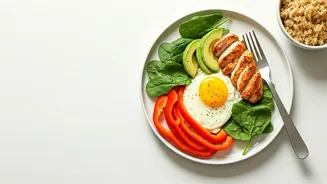
If there’s one golden rule of smart snacking, this is it. Combining a source of protein with a source of fiber is the ultimate strategy for staying full and energized. Why? Fiber slows down digestion, while protein is highly satiating. Together, they
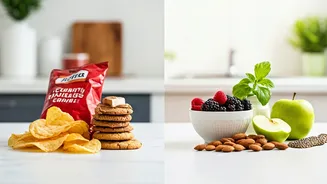
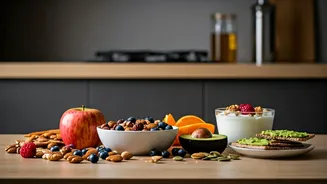
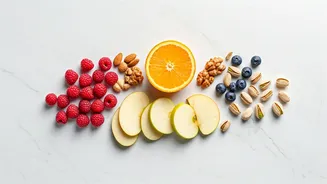
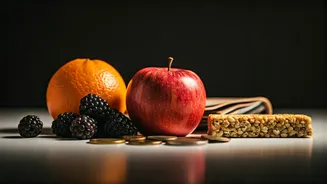
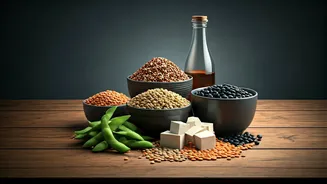
work to prevent the rapid blood sugar spikes and subsequent crashes that leave you feeling tired and hungry again an hour later. Instead of grabbing a handful of pretzels, which are mostly simple carbs, try pairing them with hummus (protein and fiber). Other powerful combinations include an apple with a spoonful of almond butter, Greek yogurt with a sprinkle of berries and chia seeds, or a small handful of nuts with a pear. This simple formula transforms a snack from a fleeting treat into a functional mini-meal that bridges the gap to your next proper meal without the energy roller coaster.
Plan Your Snacks Like You Plan Meals
Most poor snacking choices happen not out of a deep desire for junk food, but out of a lack of preparation. When hunger strikes and there are no healthy options readily available, convenience almost always wins. Dietitians advise treating your snacks with the same foresight you give your lunches or dinners. At the start of the week, portion out grab-and-go options. Put baby carrots and sugar snap peas into small bags, divide a large container of yogurt into single-serving jars, or create trail mix portions with nuts, seeds, and a few dark chocolate chips. By having a healthy, appealing option within arm’s reach, you remove the decision-making fatigue when you're at your most vulnerable. This proactive approach makes the healthy choice the easy choice.
Hydrate Before You Masticate
The signals for thirst and hunger are surprisingly similar, and our brains can easily confuse them. Before you tear open a bag of chips, try drinking a full glass of water and waiting 15 minutes. Many people find their “hunger” pangs were actually just a sign of mild dehydration. Staying adequately hydrated throughout the day can significantly curb unnecessary snacking. If you find plain water unappealing, try infusing it with lemon, cucumber, or mint. Unsweetened herbal iced tea is another excellent option. By addressing your hydration needs first, you can get a much clearer signal on whether your body truly needs food for energy or was just asking for fluid.
Practice Mindful Munching
Where you eat is just as important as what you eat. Mindlessly snacking at your desk while answering emails or in front of the TV at night is a recipe for overconsumption. Your brain, distracted by another task, doesn’t fully register that you’re eating, so you don’t get the same satisfaction signals. Nutritionists often recommend taking a dedicated snack break. Step away from your screen, put your snack on a plate, and sit down for five minutes. Pay attention to the textures, flavors, and aromas. By being present, you’ll not only enjoy your food more but also feel more satisfied with a smaller portion, as your brain has had a chance to process the act of eating and register fullness.
Upgrade Your Go-To Crunch
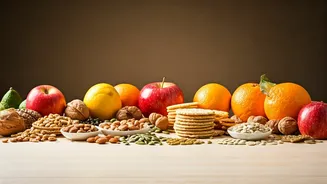
Sometimes, you don’t just want a snack—you want a *crunchy* snack. The craving for that satisfying texture is real, but it often leads us straight to potato chips and crackers. Instead of fighting the craving, find a healthier way to satisfy it. Roasted chickpeas, seasoned with a bit of paprika and garlic powder, offer an amazing crunch along with a dose of fiber and protein. Seaweed snacks are light, crispy, and full of minerals. Sliced bell peppers, jicama sticks, or cucumbers provide a refreshing, hydrating crunch. Even a handful of toasted pumpkin seeds or almonds can do the trick. By identifying what you truly crave (in this case, the texture) you can find a nutrient-dense alternative that hits the spot.
Reframe the “Good vs. Bad” Mindset
One of the most significant changes you can make has nothing to do with food itself, but with your mindset. Labeling foods as “good” or “bad” can create a destructive cycle of restriction, guilt, and eventual overindulgence. Most dietitians advocate for an “all foods fit” approach. If you truly want a cookie, have one. The key is to do it mindfully. Put it on a plate, savor every bite, and enjoy it without guilt. When you remove the forbidden-fruit allure, you take away its power. You’re less likely to binge on a whole sleeve of cookies later if you allow yourself to enjoy one now. The goal is a balanced, sustainable approach to eating, where nutrient-dense foods are the foundation, but there is always room for the things you enjoy.