








Superior Drainage Ends Waterlogged Roots
The number one killer in a garden hit by a torrential downpour is not the force of the rain itself, but the standing water it leaves behind. Most garden plants, especially vegetables, have roots that need oxygen to survive. When soil becomes saturated,
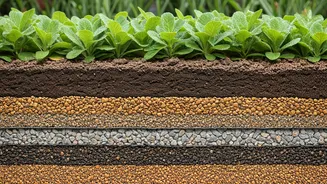
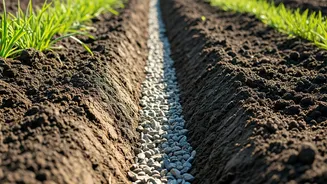
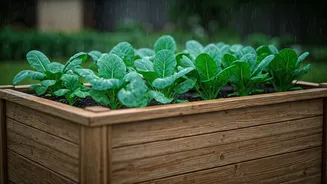
water fills all the air pockets, effectively drowning the roots. This leads to root rot, a fungal disease that can quickly kill an entire crop. A raised bed is the ultimate drainage solution. By lifting the growing area 10 to 12 inches (or more) above ground level, you create a buffer zone. Excess water from a cloudburst has a clear path to drain down and away from the delicate root systems, rather than pooling around them. The loose, uncompacted soil inside the bed further encourages water to percolate through, ensuring your plants’ roots stay healthy and aerated even after a storm.
Perfect Soil on Day One
Many regions prone to monsoons, like parts of Arizona and New Mexico, have native soil that is either heavy clay or sandy and alkaline. Clay soil drains poorly and becomes a muddy mess, while sandy soil can have its few nutrients washed away instantly. Building a raised bed allows you to bypass these problems entirely. You become the architect of your garden’s foundation. You can fill the bed with a perfect, custom blend of high-quality garden soil, compost, and other organic matter. This ideal growing medium—often called “black gold” by gardeners—provides optimal texture for drainage and root growth while being packed with the nutrients your plants need. When the monsoon rains do come, this loose, friable soil manages the moisture far better than compacted native earth, and its rich nutrient base can better withstand some of the inevitable leaching that occurs.
A Defense Against Erosion and Compaction
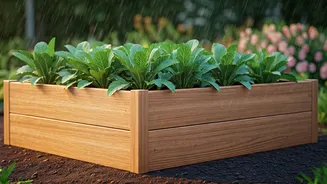
A powerful monsoon storm can physically reshape a landscape on a small scale. In a traditional in-ground garden, heavy rain can wash away precious topsoil, exposing plant roots and carrying away vital nutrients. At the same time, walking around in your garden after a storm to assess damage compacts the wet soil, squeezing out air and making it harder for roots to penetrate. Raised beds solve both issues elegantly. The frame of the bed—whether made of wood, stone, or metal—acts as a retaining wall, holding your valuable soil mixture in place no matter how hard it rains. Furthermore, raised beds naturally create designated pathways. By keeping your feet out of the growing area, you prevent soil compaction for good, preserving the light, fluffy structure that plants love.
Reducing Disease and Pest Pressure
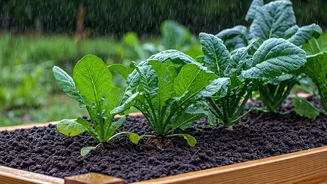
Wet, humid conditions are a breeding ground for fungal and bacterial diseases like blight and powdery mildew. In a ground-level garden, raindrops splash soil up onto the lower leaves of plants, transferring soil-borne pathogens directly to the foliage. Because a raised bed is elevated, this splash-back effect is significantly reduced, keeping leaves cleaner and healthier. You’re also starting with fresh, clean soil, which is less likely to harbor the overwintering spores of common diseases. This cleaner environment gives plants a significant advantage. It allows them to devote their energy to growing strong and producing a harvest rather than constantly fighting off infections exacerbated by the damp, muggy conditions that follow a monsoon storm.