


1. Yoga as a Geopolitical Statement
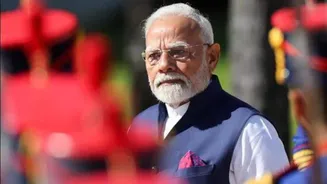
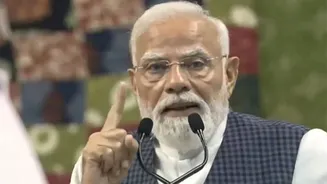
In India, the main event for International Yoga Day is always led by Prime Minister Narendra Modi, and the location is never an accident. One year, he's at the UN Headquarters in New York, leading a global session. The next, he's in Srinagar, the heart
of the contested region of Kashmir, leading a mass session as a message of integration and peace. This is Trend #1: using yoga as a powerful tool of soft power and political communication. By placing the event in sensitive or symbolic locations, the government turns a wellness practice into a statement about national unity, diplomatic reach, and administrative control. For an American audience accustomed to seeing politics as a debate on cable news, this physical, mass-participation form of statecraft is a fascinating look at how cultural heritage can be weaponized for modern messaging.
2. The 'Extreme Yoga' Spectacle
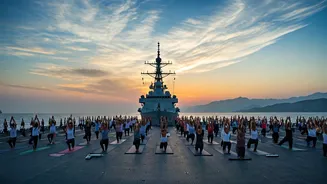
If it’s a picturesque or challenging location in India, chances are people are doing yoga there on June 21st. This trend is all about the visual spectacle. We see images of soldiers practicing asanas in the snow-covered Himalayas of Siachen, one of the world's highest military zones. We see naval officers in crisp white uniforms performing synchronized poses on the decks of massive aircraft carriers like the INS Vikramaditya. Public parks, ancient monuments, and riverbanks are filled with thousands of citizens at sunrise. This isn’t just for a good stretch; it’s a coordinated display of discipline, reach, and national pride. The goal is to create powerful, shareable images that reinforce the idea of a unified, capable, and spiritually grounded nation. It’s a patriotic performance as much as a personal practice.
3. Tradition Meets Technology
While yoga is an ancient discipline, its modern celebration in India is deeply infused with 21st-century technology. Social media platforms like Instagram and X (formerly Twitter) explode with hashtags like #YogaForSelfAndSociety or #MyYogaMyHealth. The government and private companies alike promote AI-powered yoga training apps that analyze your posture. There are livestreams from major events, virtual reality yoga experiences, and digital campaigns to encourage participation. This fusion is critical to engaging India’s massive youth population. It makes the practice feel relevant, accessible, and cool, ensuring that an ancient tradition doesn't get left behind in a rapidly digitizing country. It's a perfect example of how India is navigating its identity—holding onto its past while eagerly embracing the future.
4. From Personal Wellness to Societal Good
A growing trend is to connect yoga with broader social themes. The official theme for the day often goes beyond the individual, with slogans like "Yoga for Self and Society" or "Yoga for Vasudhaiva Kutumbakam" (meaning "the world is one family"). This reframes the practice from a solo journey of self-improvement into a collective act of community building. Events are often paired with social initiatives like public clean-up drives, tree-planting ceremonies, or sessions focused on mental health for underserved communities. This broadens the appeal and purpose of the day, positioning yoga not just as a physical exercise but as a holistic solution for societal well-being and a vehicle for civic responsibility.
5. A Bid for the Record Books
India’s celebrations often have a competitive, record-breaking edge. You'll frequently see attempts to set new Guinness World Records, whether it's for the largest-ever yoga lesson (a record India has held multiple times) or the most nationalities participating in a single session. In cities like Surat or Kota, organizers aim to gather hundreds of thousands of people to create a breathtaking visual of human coordination. This isn’t just about enthusiasm; it’s a strategic effort to quantify the scale and impact of the movement. For a country of 1.4 billion people, large numbers are a form of expression, and setting world records on Yoga Day is a way to tangibly demonstrate India's global leadership in what it considers its unique cultural export.