






More Than Just Miles
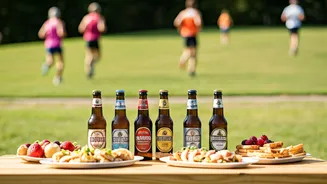
Across the country, a new kind of fitness trend is taking hold, one that’s less about splits and heart rate zones and more about IPAs and breakfast tacos. These are social run clubs, and their finish lines are often found at the doors of a local brewery,
coffee shop, or casual restaurant. From major brand-sponsored events like Shake Shack Track & Field to grassroots gatherings that end at a neighborhood taproom, the concept is simple: run together, then hang out together. The physical activity is the appetizer; the social connection over food and drink is the main course. These groups are intentionally casual, often promoting an “all paces welcome” philosophy that strips away the intimidation factor of traditional, performance-focused running clubs. You’re just as likely to see a first-timer jogging a 12-minute mile as you are a seasoned marathoner, and no one is checking their watch.
The Search for Low-Stakes Community
So, why now? The explosion of these run-and-eat clubs speaks to a deeper cultural need, particularly in a post-pandemic world. For many adults, the built-in social structures of school and early career have faded, making it notoriously difficult to forge new friendships. These clubs offer a perfect, low-pressure solution. The run itself provides a shared purpose, immediately breaking the ice and bypassing the awkwardness of a cold-start conversation. It’s an activity-based social gathering that doesn’t feel as forced as a networking event or as high-stakes as a blind date. The shared meal or drink afterward provides a natural, unstructured space to chat and connect with people who live in your area and share at least one common interest. It’s a return to a more organic, neighborhood-based form of community that many have been craving.
Fitness Without the Pressure
This trend also signals a subtle but significant shift in wellness culture. For years, the prevailing narrative around fitness was one of optimization, data tracking, and pushing personal limits. While that approach works for some, it can feel isolating and joyless for others. The food-and-fitness mashup offers a more balanced, holistic alternative. By pairing a healthy activity with an indulgent reward, it reframes exercise as a part of a vibrant social life rather than a chore to be completed. The message isn’t about burning off the calories you’re about to consume; it’s about earning the camaraderie and relaxation that follows a shared effort. This more forgiving and fun-focused model is attracting a new demographic to running—people who may have been put off by the sport's competitive and solitary reputation.
A Win-Win for Businesses and Runners
This isn’t just a social phenomenon; it’s also a brilliant business model. For breweries, coffee shops, and restaurants, hosting a run club is a low-cost marketing strategy that guarantees a rush of dozens of thirsty, hungry customers on what might otherwise be a slow weeknight. It builds brand loyalty and embeds the business into the fabric of the local community. The running club gets a dedicated, safe, and fun home base without having to rent a space or manage complex logistics. The establishment often sweetens the deal with a small discount—say, a dollar off pints for all runners—further cementing the symbiotic relationship. It’s a perfect pairing of commerce and community, where the business facilitates the social gathering and the social gathering supports the business.