




1. The Experience Economy Is in Full Swing
After years where the biggest thrill was a package arriving at the door, Americans are decisively shifting their spending from stuff to experiences. This isn't just a fleeting trend; it's a fundamental reprioritization. People are choosing to invest their money
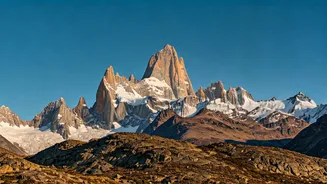
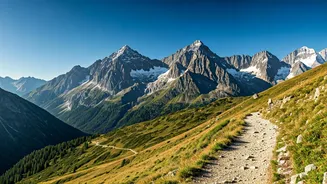
and time in creating memories, whether that’s finally booking that rafting trip down the Colorado River, learning to scuba dive in the Florida Keys, or simply spending a weekend camping in a nearby national forest. This cultural momentum means more options, more tour operators catering to niche interests, and a collective enthusiasm that makes embarking on an adventure feel more normal and accessible than ever. The social currency is no longer what you own, but what you’ve done, and that’s a massive win for anyone who prefers a summit to a shopping spree.
2. Gear Has Never Been Smarter or Lighter
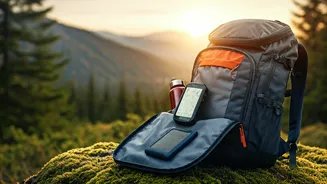
The barrier to entry for many outdoor adventures used to be the gear itself—heavy, complicated, and expensive. Today, that barrier is lower than ever. Innovations in material science have made tents, sleeping bags, and backpacks astonishingly lightweight without sacrificing durability. More importantly, technology is making the wild feel safer. Satellite messengers like the Garmin inReach or ZOLEO allow for two-way texting and SOS signals from far outside cell service. Portable solar panels and power banks can keep your devices charged for days. GPS apps like AllTrails or Gaia GPS have put detailed topographical maps and user-sourced trail reports in the palm of your hand, taking the guesswork out of navigation. This tech doesn’t dilute the adventure; it empowers you to go further and with greater confidence.
3. Remote Work Has Redefined the 'Weekend Trip'
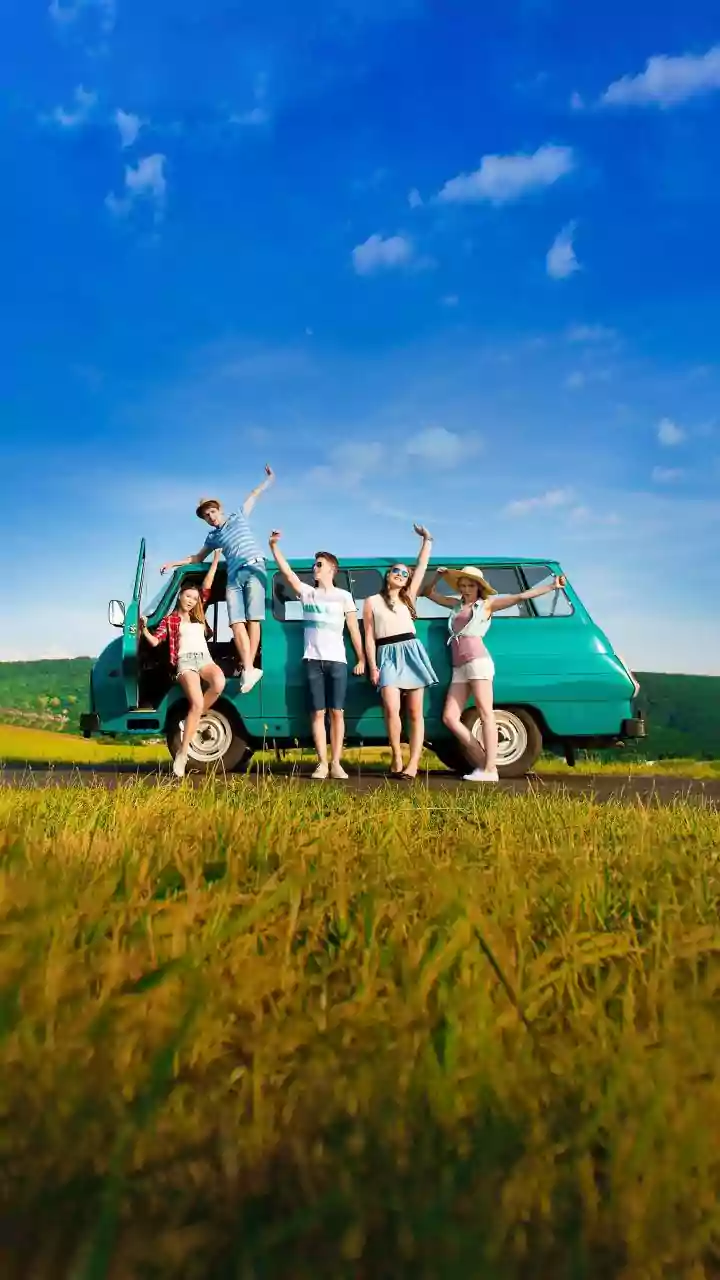
The five-day work week once compressed adventure into a frantic 48-hour window. The rise of remote and hybrid work has shattered that constraint. For millions of Americans, the office is now wherever they can get a decent Wi-Fi signal. This flexibility is a game-changer for adventure lovers. A 'work from the road' week is now a real possibility. You can drive to a national park on a Thursday, work from a cabin or coffee shop on Friday, and have a full weekend to explore before heading home Monday morning. This trend allows for deeper, less-rushed experiences and turns far-flung destinations into plausible long-weekend trips. It’s no longer about escaping work for an adventure; it's about integrating adventure into your life.
4. We Rediscovered the Beauty of Our Own Backyard
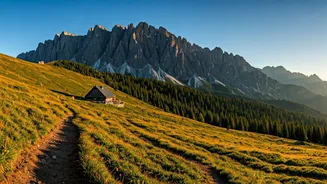
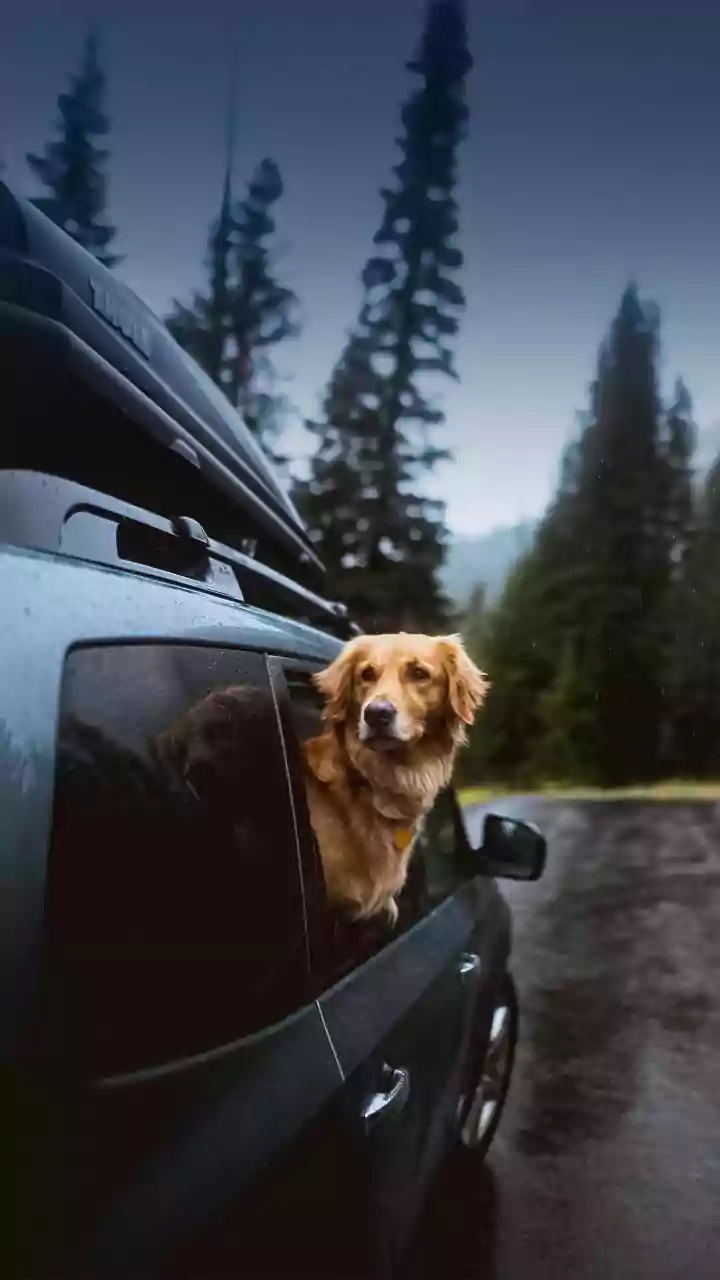
While international travel was on pause, a massive rediscovery of local and regional treasures took place. People explored state parks they’d never visited, hiked trails within a two-hour drive, and learned to find the wild in the familiar. That habit has stuck. The concept of the 'micro-adventure'—a short, local, and accessible outdoor trip—has become a permanent part of the playbook. This mindset is a huge victory because it makes adventure a regular practice, not a once-a-year event. It proves you don't need a passport or a massive budget to feel the thrill of exploration. You just need to look at a local map with fresh eyes.
5. Information and Inspiration Are Everywhere
Planning a significant adventure used to require poring over guidebooks and making expensive international phone calls. Today, the entire process is democratized. A universe of resources is available for free, from dedicated YouTube channels that review gear and document thru-hikes to hyper-specific blogs detailing the best campsites in a given region. Instagram and TikTok provide endless visual inspiration, while online communities on platforms like Reddit or Facebook offer crowdsourced advice on everything from visa requirements to the best local guide for a specific trek. This wealth of information removes the fear of the unknown, making it easier than ever to go from dreaming about an adventure to actually planning and executing it.