




From Chaos to Curated
The fundamental DNA of the group vacation is changing. For years, the default was to find a block of affordable hotel rooms or cram into a no-frills rental, with the destination being the main event. The lodging was just a place to sleep. Now, the lodging *is*
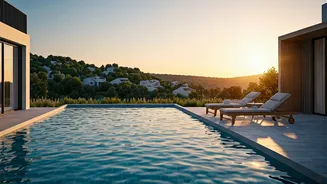
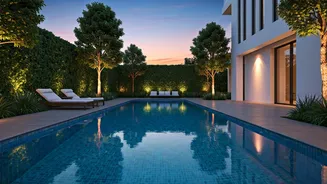
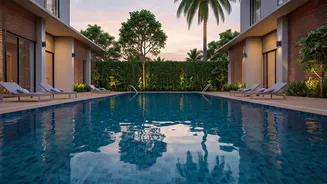
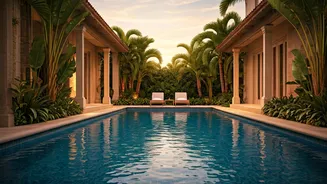
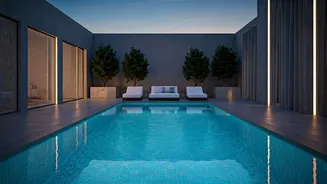
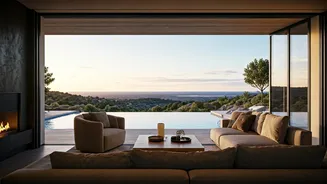
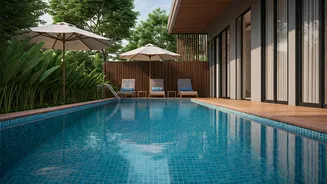
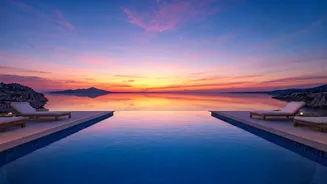
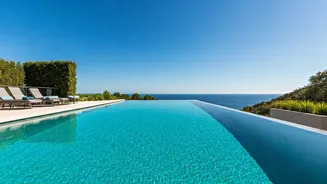
the event. The new model for group trips—from bachelorette parties and family reunions to getaways with old college friends—is the high-amenity private rental. Think sprawling multi-bedroom homes with infinity pools, chef’s kitchens, game rooms, and fire pits, all booked through platforms like Vrbo and Airbnb or specialized luxury villa services. This isn't about simply finding enough beds; it’s about renting a private, self-contained resort for your crew. The goal has shifted from finding the cheapest common denominator to pooling resources for a taste of the good life.
The Allure of the Private Bubble
Much of this shift was accelerated by the pandemic, which hardwired a desire for privacy and control into our travel psychology. Why negotiate a crowded hotel pool when you can have one all to yourselves? Why worry about shared elevators and lobbies when you can exist in a “bubble” with just your chosen people? This desire for a controlled environment has outlasted lockdowns. Groups are realizing that the premium paid for a private space buys them something invaluable: freedom. Freedom to play your own music, cook a communal late-night meal without judgment, and let the kids run wild without disturbing other guests. It’s a return to the simple pleasure of having a place to call your own, even if it’s just for a weekend. This private world becomes the backdrop for the inside jokes and shared memories that define a great trip.
A New Kind of Group Economy
At first glance, a five-bedroom villa with a swim-up bar seems like an extravagance reserved for the super-rich. But the math changes when you divide by ten. When a group of friends or multiple families pool their resources, the per-person cost of a luxury rental can suddenly look surprisingly competitive with booking several mid-range hotel rooms. A $1,200-a-night property split between five couples is $240 per couple—a standard price for a decent hotel in a popular destination. But for that price, you aren't just getting a room; you're getting a kitchen to cut down on dining costs, a private pool that's always open, and shared spaces that foster connection far better than a hotel lobby ever could. It’s a classic case of collective buying power, applied to creating a shared luxury experience. You’re not just splitting the cost; you’re splitting the upgrade.
More Than Just a Vacation
This trend isn't just for hedonistic getaways. It’s reshaping all kinds of group gatherings. Family reunions are ditching the tired convention center hotel for a large home where generations can comfortably coexist under one roof. Corporate teams are booking massive cabins for “workation” retreats, blending brainstorming sessions with hikes and shared meals. Milestone birthdays are being celebrated not with a single night out, but with a long weekend in a desert oasis or a mountain lodge. The private rental acts as a versatile home base, a flexible container for whatever the group needs it to be. It can be a co-working space by day, a party venue by night, and a quiet refuge in the morning. This adaptability is something a traditional hotel, with its rigid structure and public spaces, can rarely offer.
The Destination is the House
Perhaps the biggest change is in our definition of a “destination.” For these upgraded group trips, the house itself often becomes the main attraction. While a nearby town or beach might be a bonus, the daily itinerary is built around the property's amenities. The day’s big decision isn't which museum to visit, but whether to start with the pool, the hot tub, or the outdoor movie projector. This makes the entire experience more relaxed and less pressured. There’s no frantic race to see the sights. Instead, the focus is on reconnecting with each other in a beautiful, comfortable setting. The trip becomes less about where you went and more about the quality of the time you spent together.