

1. The Thermostat as Wall Art
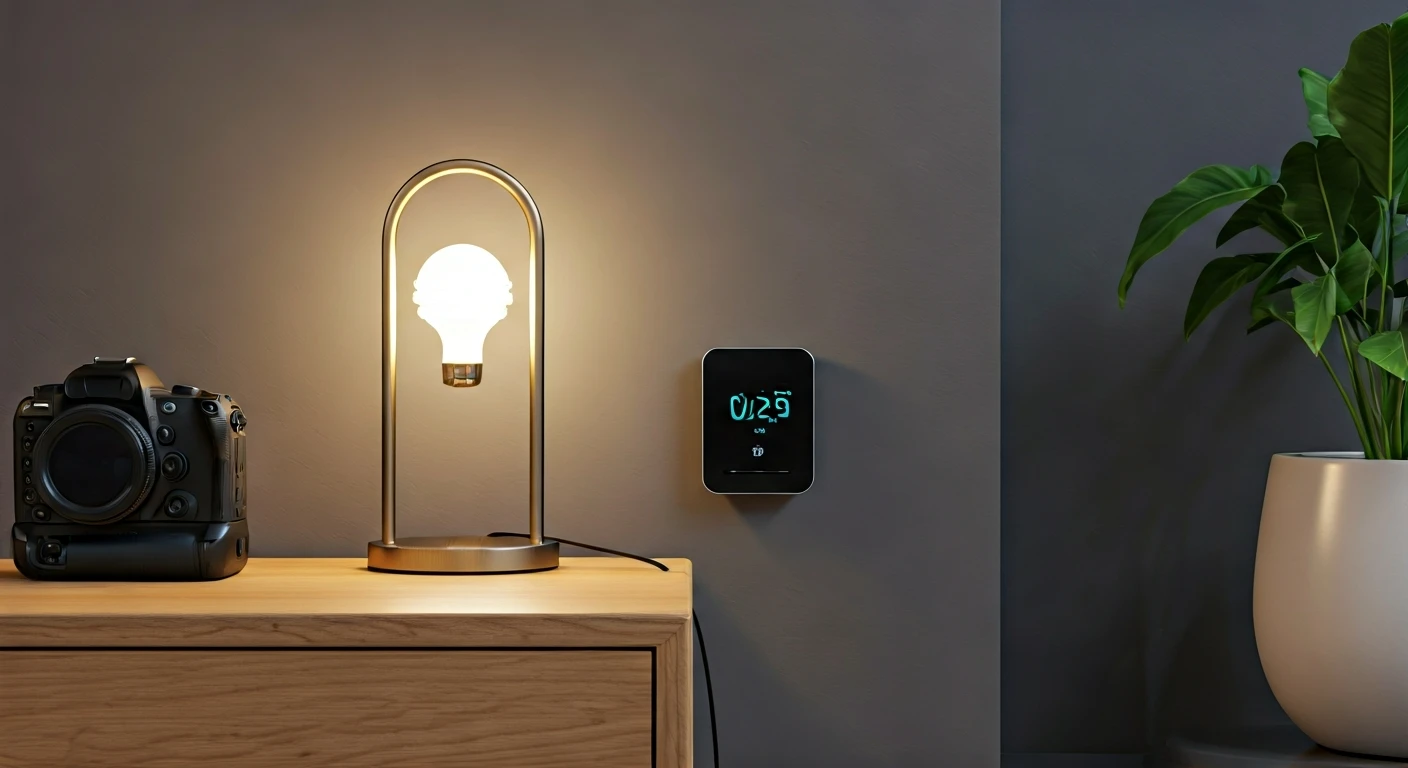
The beige, plastic box that controlled your home’s temperature used to be something to hide. Not anymore. Companies like Nest (owned by Google) and Ecobee revolutionized the category by treating the thermostat as a piece of desirable tech, akin to a smartphone.
With sleek, minimalist designs, intuitive displays, and metallic finishes, these smart thermostats became objects of decor. They learn your habits to save energy automatically, but their real genius was making energy conservation feel like a sophisticated, forward-thinking choice. Installing one is no longer just a practical upgrade; it’s a signal that your home is both smart and stylish, an accessible piece of functional wall art that also happens to lower your utility bills.
2. Designer Lighting That Barely Sips Power
For years, the first wave of energy-saving lightbulbs—the compact fluorescents (CFLs)—were rightly criticized for their harsh, sterile light and awkward shapes. That era is definitively over. The rise of LED technology has untethered lighting designers from the constraints of traditional bulbs. LEDs are tiny, last for years, and can produce a full spectrum of warm, inviting light. This has led to an explosion of creativity in fixture design. Sculptural pendants, minimalist track lighting, and under-cabinet strips can now be integrated seamlessly into a room’s architecture. Smart bulbs from brands like Philips Hue allow you to change the color and warmth of your light with an app, pairing mood-setting ambience with hyper-efficiency. Good lighting is now synonymous with efficient lighting.
3. The Ceiling Fan's Stylish Comeback
The wobbly, dated ceiling fan of your childhood bedroom is a thing of the past. Once considered a design faux pas, the ceiling fan is having a major renaissance as both an energy-saving tool and an architectural centerpiece. Modern designs from companies like Haiku and Fanimation feature sleek, sculptural blades made from materials like bamboo or aircraft-grade aluminum. They are quiet, powerful, and incredibly efficient, using a fraction of the energy of an air conditioner to create a cooling breeze. By allowing you to turn up your thermostat by a few degrees in the summer, a good fan can significantly cut cooling costs. Far from an eyesore, the right fan can now define a room's aesthetic, adding a touch of industrial chic or organic modernism.
4. Window Treatments Get a High-Tech Glow-Up
Your windows are a primary source of heat loss in the winter and heat gain in the summer. While heavy, light-blocking drapes have always been an option, they weren't always a stylish one. Today’s window treatments offer sophisticated insulation with a clean, modern look. Cellular or 'honeycomb' shades are a prime example. Their unique construction traps air, creating a powerful insulating barrier against the glass. They come in a huge array of fabrics and colors and retract neatly, offering a minimalist look when open. Add motorization and smart-home integration from brands like Lutron or Hunter Douglas, and you can schedule your shades to close during the hottest part of the day, effortlessly managing your home's temperature while you’re away. It's invisible efficiency, hidden behind a sharp design.
5. Appliances That Don't Hide Their Power
Kitchens have become the showpiece of the modern home, and appliances are no longer just workhorses. They are part of the decor. The drive for energy efficiency has pushed manufacturers to innovate, and design has become a key differentiator. Induction cooktops, for example, are vastly more energy-efficient than gas or electric coil, and their sleek, glass surfaces offer a seamless, futuristic look that’s easy to clean. Energy Star-rated refrigerators now come in matte black, slate, and custom panel-ready versions that can blend into cabinetry or stand out as a statement piece. This fusion of performance and beauty means that choosing the most efficient appliance often means you’re also choosing the best-looking one.