


The Allure of 'Natural' Water
Let’s start with why this is such an appealing idea. On paper, rainwater is the gold standard for most houseplants. Unlike the treated water that flows from our taps, it’s naturally soft and free of the chlorine and fluoride that can, in high concentrations,
stress sensitive plants like calatheas, spider plants, and dracaenas over time. Tap water is often alkaline and can contain minerals that build up in the soil, potentially affecting nutrient absorption. Rainwater, by contrast, is slightly acidic, which helps release micronutrients in the soil, making them more available to your plant’s roots. For acid-loving plants like ferns, African violets, and certain orchids, this is a significant benefit. It’s the water they evolved with, and providing it feels like you’re giving them the very best.
The Reality Check on Purity
Here’s where the “complicated” part comes in. The water that falls from the sky isn’t necessarily what ends up in your watering can. As raindrops travel through the atmosphere and, more importantly, run off your roof and into a collection barrel, they pick things up. In urban or industrial areas, this can include atmospheric pollutants. More commonly, runoff collects whatever is sitting on your roof: bird droppings, soot, dust, pollen, and bits of roofing material. If you have an asphalt shingle roof, you could be washing petroleum distillates into your barrel. A copper roof might leach copper, and a treated wood-shake roof could introduce chemical preservatives. While many of these contaminants are in low concentrations, they can accumulate in your potting soil over time, undoing the very benefits you were hoping to achieve. What you thought was pure water might actually be a cocktail of unwanted extras.
How to Collect It the Right Way
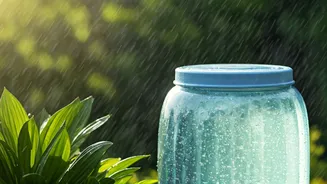
If you’re still committed to the idea, doing it safely is key. First, consider your collection surface. A clean, inert roof made of metal, slate, or tile is far better than asphalt or treated wood. The container matters, too. Opt for a food-grade plastic barrel, as garbage cans or other plastics can leach chemicals. To get cleaner water, savvy collectors use a “first-flush diverter.” This device routes the first few gallons of rainfall—which contain the most debris from the roof—away from your main barrel, ensuring the water you store is significantly cleaner. At a minimum, you should have a screen over the barrel’s inlet to filter out leaves, twigs, and other large debris. It’s a bit of an engineering project, but it makes a world of difference in the quality of the water you collect.
Storing It Without Creating Problems
Collecting the water is only half the battle; storing it is the other. A barrel of stagnant water is the perfect breeding ground for two things you don’t want in your home or yard: mosquitoes and algae. Your rain barrel must be completely sealed or have a fine mesh screen covering any openings to prevent mosquitoes from laying eggs. To stop algae from growing, the barrel should be opaque to block sunlight. A dark-colored barrel works best. Even with these precautions, it's wise to use the water within a week or two. If it sits for too long, it can become deoxygenated and start to smell, which is not something you want to be pouring into your indoor pots. Proper storage turns a potential science experiment into a reliable water source.
The Simpler, Good-Enough Alternatives
After reading all this, you might be thinking it’s too much hassle. And for many people, it is. The good news is you can get most of the benefits with a lot less work. The primary issue with tap water for many plants is the chlorine used for disinfection. The easiest fix? Just fill your watering can and let it sit out, uncovered, for 24 hours. Most of the chlorine will dissipate into the air. This simple step eliminates the most common complaint about tap water. If you have very hard water, you can use a basic water filter pitcher, the same kind you might use for drinking water. While rainwater is technically superior, the difference for most common, hardy houseplants is negligible, especially when compared to the consistency and ease of using treated tap water.