



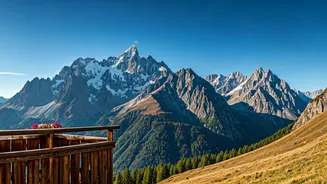


Beyond the Zoom Background
Welcome to Himachal Pradesh. Tucked away in India's northern frontier, this mountainous state is the stuff of desktop wallpapers and adventure novels. Home to towns like Shimla, the former summer capital of British India, and Manali, a haven for trekkers
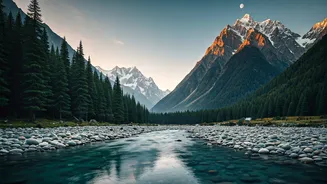
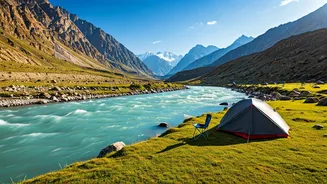
and seekers, Himachal is a world away from the frantic energy of India's megacities. Think crisp mountain air, the sound of prayer flags fluttering in the wind, and a pace of life dictated by the seasons, not the stock market ticker. For the American remote worker battling burnout, this region offers more than a vacation; it offers a profound change of scenery and perspective, turning the daily grind into a grand adventure.
Himalayan Luxury, Redefined
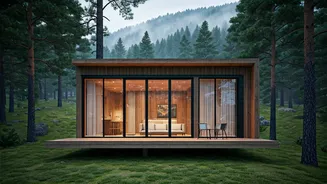
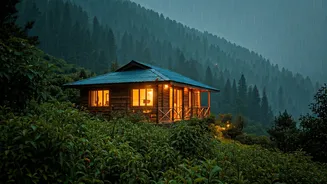
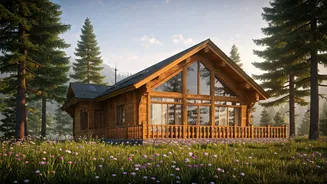
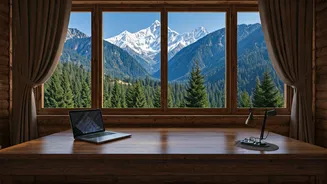
When you hear “luxury cottage” in this context, don’t picture a sterile, resort-style villa. The magic of Himachal lies in its unique architectural heritage. Many of the most sought-after properties are built in the traditional *Kath-Khuni* style—an ingenious method of interlocking stacked stone and cedar wood beams without mortar. The result is a rustic-chic aesthetic that feels both ancient and incredibly cozy. Inside, you’ll find modern comforts seamlessly blended with traditional craftsmanship: a roaring fireplace for cool evenings, a private balcony for your morning chai, and large windows framing billion-dollar views of the Himalayas. This isn't about ostentation; it's about a deep, quiet comfort that’s connected to the landscape itself.
The 9-to-5, Reimagined
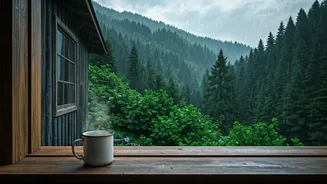
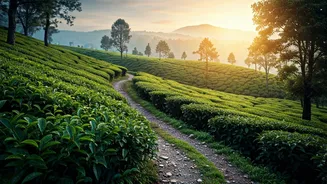
So what does a workday look like from paradise? It might start with the sun rising over a distant peak as you sip locally grown Kangra tea. With a reliable internet connection—something many hosts now guarantee to attract the 'workcation' crowd—your morning meetings happen against a backdrop that will make your colleagues green with envy. The time difference can even be a blessing; you can finish your core U.S. work hours by early afternoon, leaving the rest of the day free. Imagine closing your laptop and, within minutes, starting a hike through a fragrant deodar cedar forest, exploring a centuries-old monastery, or wandering through a local market to haggle for fresh apricots and handcrafted woolens. Productivity doesn’t suffer; it’s simply contextualized by a richer, more fulfilling daily rhythm.
Logistics and Local Flavor
Getting here is part of the adventure. Most travelers fly into a major hub like New Delhi, then take a short connecting flight to a regional airport like Chandigarh (IXC) or Kullu-Manali (KUU), followed by a scenic (and winding) taxi ride up into the mountains. For U.S. citizens, India’s e-visa program makes short-to-medium term stays relatively straightforward. The best seasons to plan your escape are spring (March to June) and autumn (September to November), when the weather is clear and pleasant. While there, you’ll eat some of the most soulful food of your life—hearty lentil dals, savory steamed dumplings called *momos* (thanks to the strong Tibetan influence), and fresh-from-the-farm vegetables. It's a holistic experience that nourishes you, body and soul.
Is This Dream for You?
This idyllic lifestyle does come with a dose of reality. While Wi-Fi has improved dramatically, it’s essential to confirm the speed and reliability with your host before booking. Mountain weather can be unpredictable, and a sudden storm can knock out power, so a backup battery for your laptop is a wise investment. This isn't a plug-and-play experience; it’s an immersion in a different culture that requires patience, flexibility, and an open mind. But for those willing to embrace the adventure, the reward is immeasurable. It’s a chance to not only see a new part of the world, but to fundamentally change your relationship with your work and your life.