
The Classic Schoolhouse Pendant
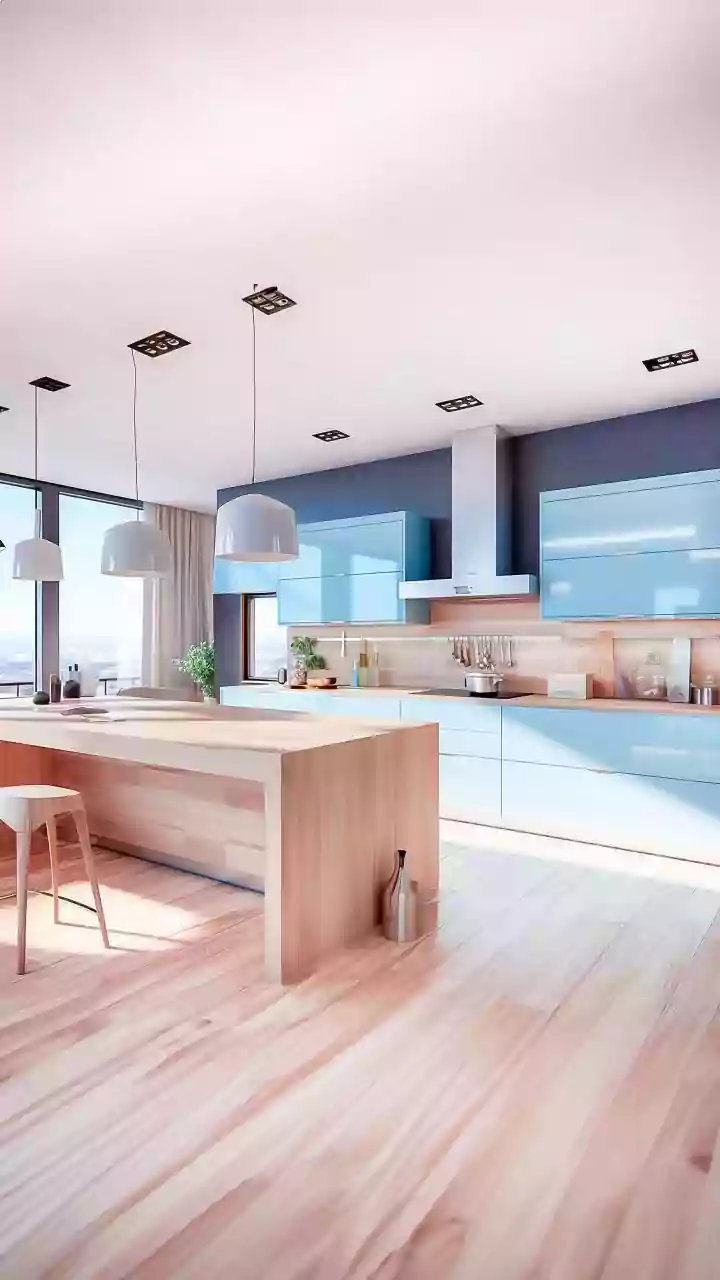
Perhaps no fixture is more emblematic of vintage charm than the schoolhouse pendant. Originally designed for function and durability in classrooms and public buildings in the early 20th century, these lights are defined by their simple, opaque or translucent
glass shades, often in a milky white color. This design diffuses light beautifully, eliminating harsh shadows and casting a soft, even radiance. The result is an ambient glow that feels both nostalgic and incredibly welcoming. They are design chameleons, looking equally at home over a rustic farmhouse kitchen island, in a series down a long hallway, or as a singular statement piece in a cozy breakfast nook. Their timeless silhouette ensures they never feel dated, only more distinguished.
The Elegant Art Deco Sconce
For a touch of Jazz Age glamour, look no further than Art Deco-inspired wall sconces. Emerging from the 1920s and '30s, this style is characterized by geometric shapes, clean lines, and often a mix of materials like brass, chrome, and frosted or ribbed glass. Unlike pendants that provide broad illumination, sconces are masters of accent lighting. Placed on either side of a bathroom mirror, a fireplace, or a headboard, they create pockets of warm, inviting light that add depth and sophistication to a room. Their sculptural quality means they act as wall art even when turned off. The glow they cast is typically directed and intimate, perfect for setting a refined, moody atmosphere in a powder room, dining room, or entryway.
The Industrial Task Lamp
Inspired by the factories and workshops of the early industrial era, these lamps are the epitome of form following function. Think articulated arms, exposed hardware, metal shades, and a sturdy, no-nonsense presence. While their original purpose was to provide focused light for detailed work, modern interpretations bring that utilitarian cool into residential spaces. An industrial task lamp is perfect for a home office desk, a reading corner, or as a bedside light. Its focused beam is practical, but its aesthetic—especially when paired with a vintage-style Edison bulb—adds a layer of historical grit and character. The glow is directional but can be softened with a warm-toned bulb to create a cozy, concentrated pool of light for reading or working.
The Rustic Farmhouse Gooseneck
A staple of modern farmhouse and cottage aesthetics, the gooseneck light takes its cues from classic barn lighting. Its signature feature is the curved arm that extends from the wall plate, positioning the downward-facing shade away from the wall. This design was originally intended to illuminate exterior doorways and barn facades. Today, it’s a versatile favorite for interiors, perfect for highlighting open shelving in a kitchen, flanking a piece of art, or providing light over a sink where a pendant isn’t practical. The wide, metal shade directs a generous amount of light downwards, creating a functional yet atmospheric effect that feels both hardworking and homey.
Don't Forget the Bulb
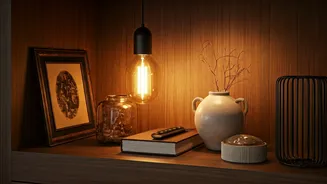
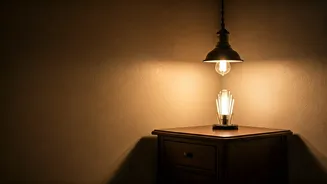
The fixture is only half the story. To truly achieve that 'calming warm vintage glow,' the light bulb itself is critical. Standard daylight or cool-white LEDs can make even the most beautiful vintage fixture feel cold and clinical. Look for bulbs with a 'warm white' color temperature, typically between 2200K and 2700K on the Kelvin scale. For fixtures with exposed bulbs, an Edison-style LED is an excellent choice. These bulbs mimic the look of early carbon-filament bulbs, with intricate, glowing filaments that are beautiful in their own right, providing a distinctly amber, candle-like light that is the very essence of vintage warmth. Many are also dimmable, giving you complete control over the mood.