
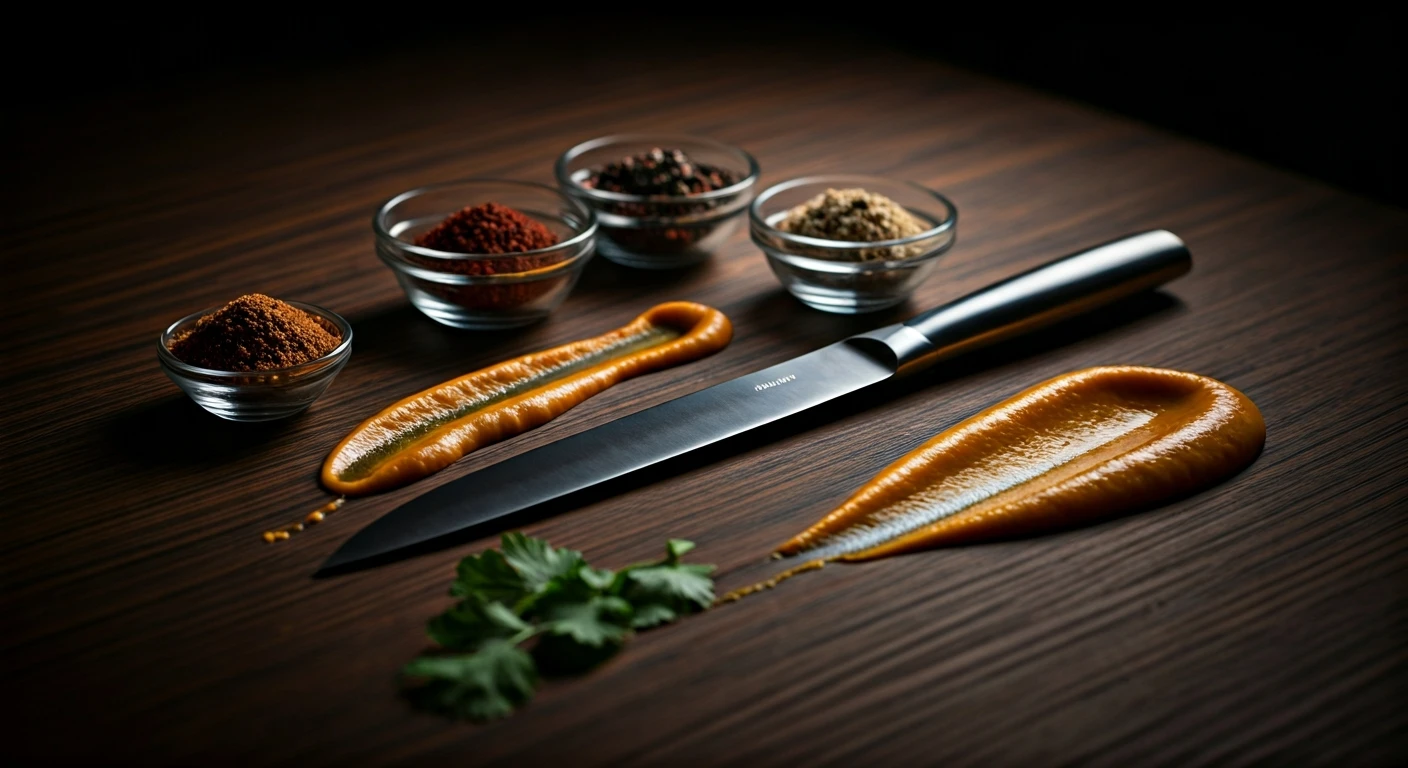
The Tikka Masala Monopoly
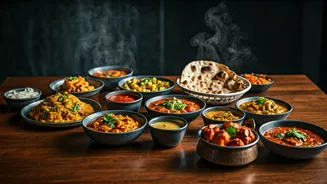
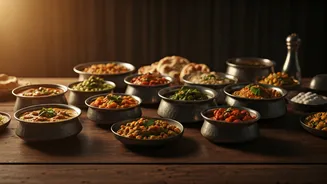
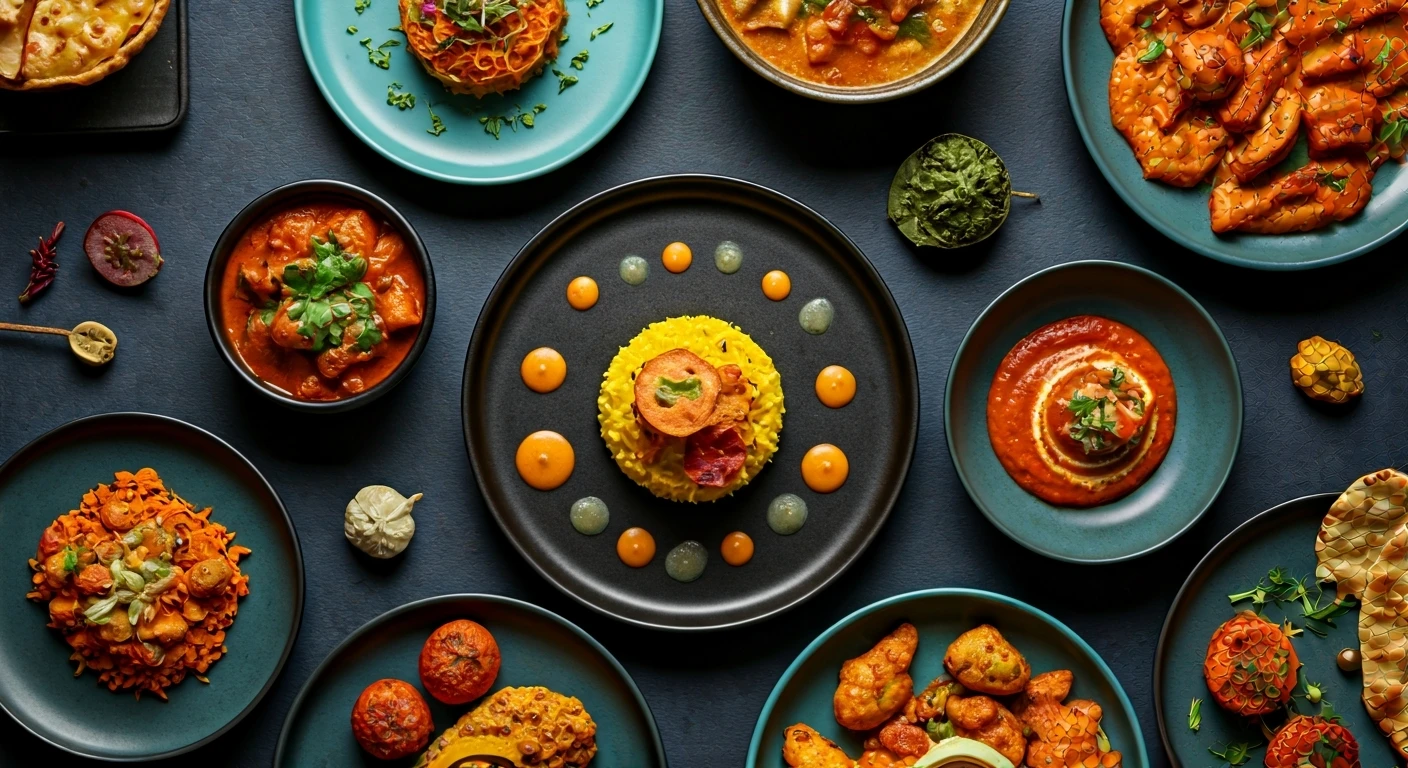
Let’s be honest: when you think of an Indian restaurant in the U.S., a specific picture likely comes to mind. Dark wood, plush seating, and a menu featuring naan, samosas, saag paneer, and chicken tikka masala. This wasn't by accident. The first waves
of Indian restaurateurs in America, primarily from the Punjab region of North India, successfully introduced a simplified, accessible version of their cuisine to the American palate. It was rich, creamy, and relatively mild—a perfect entry point. This Punjabi-centric menu became so dominant that for many Americans, it wasn't just *a type* of Indian food; it *was* Indian food. This standardization was a brilliant business move, creating a foothold for an entire culinary category. But in simplifying for a broad audience, it also flattened the perception of a cuisine that is arguably one of the most diverse on the planet.
The Second-Generation Palate
The shift is being driven by the children of the immigrants who opened those very restaurants. Young, second-generation Indian-Americans grew up with a dual culinary identity. They ate the standard restaurant fare with their American friends but went home to the distinct flavors of their family's specific region: the coconut-laced fish curries of Kerala, the tangy lentil stews of Gujarat, the fiery pork dishes of Goa, or the subtle mustard-oil flavors of Bengal. Unlike their parents, who may have felt pressure to assimilate or present a unified front, this generation is confident in their multifaceted identity. They’re using their spending power and social media fluency to demand food that tastes like *their* home, not a generalized idea of it. This isn't a rejection of naan and butter chicken; it's an expansion, a desire to see their own specific heritage celebrated on a public stage.
A Culinary Map on a Plate
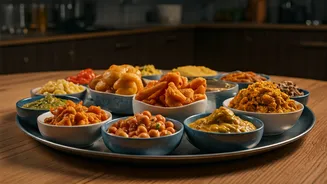
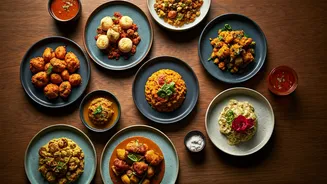
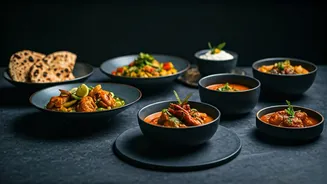
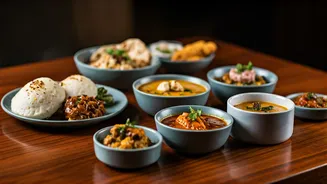
So what does “more regions per meal” actually look like? In many cities, it's taking the form of the *thali*. A thali is a round platter featuring a collection of small bowls, each containing a different dish from a single regional cuisine. A South Indian thali might offer sambar, rasam, various vegetable preparations (poriyal), yogurt (thayir), and a pickle, all meant to be eaten with rice. It’s a complete meal that provides a symphony of flavors—sweet, sour, salty, spicy, bitter—in one sitting. Beyond the thali, we're seeing the rise of hyper-regional restaurants. Instead of an “Indian” restaurant, you might find a spot specializing only in the street food of Mumbai, the coastal cuisine of the Konkan coast, or the vegetarian feasts of Tamil Nadu. These establishments are finding a hungry audience, eager to move beyond the buffet line and explore a more specific sense of place.
From Niche to Trending
Social media has been a massive catalyst. A colorful, perfectly arranged thali is infinitely more compelling on Instagram than a homogenous bowl of orange-hued curry. TikTokkers and food bloggers are acting as digital guides, creating content that says, “If you like this, you should try that.” They are decoding regional menus, demystifying unfamiliar dishes, and building hype around restaurants that serve authentic, uncompromising flavors. This online discovery process has transformed regional Indian food from a niche, in-community experience into a trendy culinary adventure for foodies of all backgrounds. It has given chefs the confidence to cook the food they grew up with, knowing a digitally-connected audience is ready to embrace it. The demand is no longer just from the Indian diaspora; it's from anyone who wants to eat something new, authentic, and exciting.