




The Old Vacation Model Is Fading
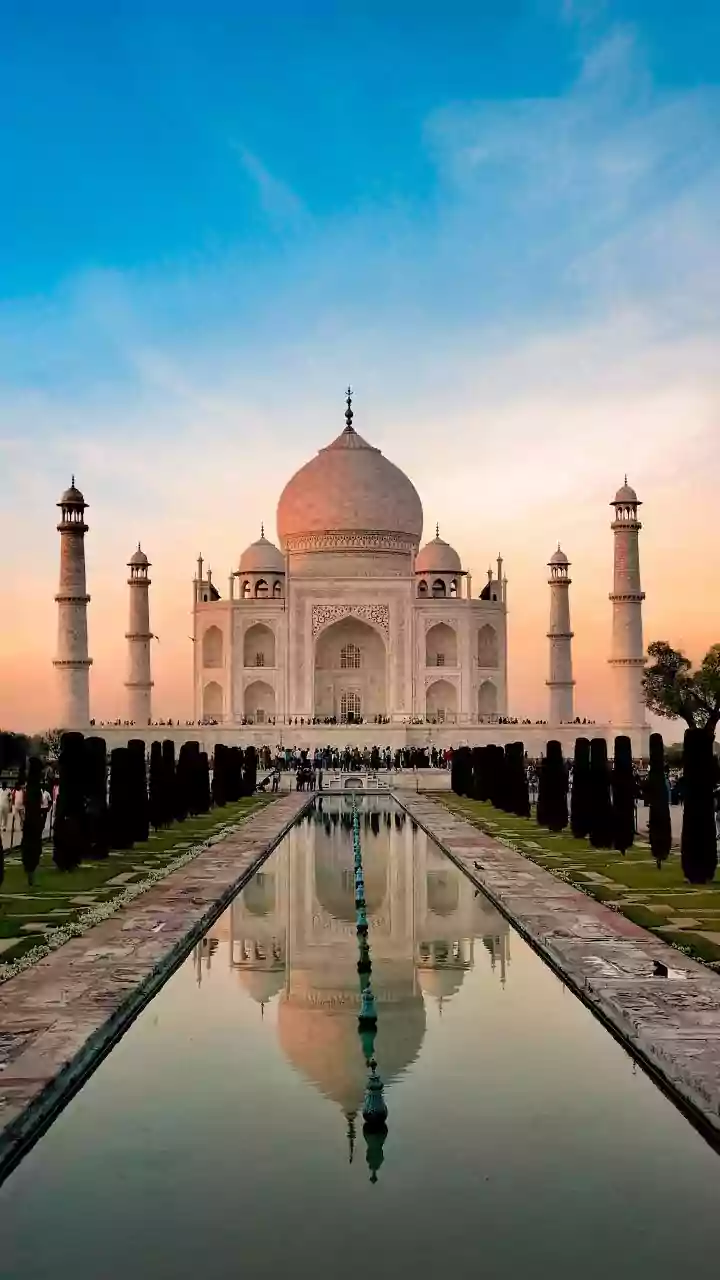
For generations, the standard Indian vacation followed a familiar script. Families would save up all year for one, maybe two, big trips. These were often sprawling, multi-city tours designed to check off as many famous landmarks as possible during a school
holiday or the summer break. The goal was simple: see the sights, get the group photo, and relax. It was a model built around duration and destination, a marathon of sightseeing that left little room for spontaneity or deep engagement.
Enter the 'Micro-Cation'
Today, that model is being disrupted by the rise of the “micro-cation.” Instead of one long trip, a growing cohort of Indian travelers—particularly millennials and Gen Z—are opting for multiple short getaways throughout the year. These are often just three or four days, built around a long weekend or a couple of days of planned leave. The logic is compelling: short trips require less planning, are more budget-friendly per trip, and offer a frequent escape from the daily grind. Improved connectivity, with more affordable domestic flights and better highways, has made it easier than ever to decide on a Thursday to spend a weekend exploring the coffee plantations of Coorg or the backwaters of Kerala.
What Does 'A Stronger Story' Mean?
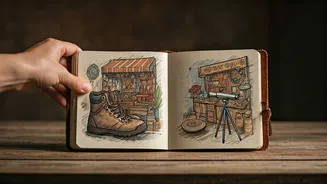
This shift isn't just about timing; it’s about intent. The second half of the headline, “stronger stories,” is arguably the more important part of the trend. A trip is no longer just a trip; it's content for a personal narrative. A “stronger story” means prioritizing unique, immersive, and, crucially, shareable experiences over a generic itinerary. It’s about staying in a boutique homestay instead of a chain hotel, taking a local cooking class instead of just eating at a famous restaurant, or finding a hidden waterfall instead of queuing at a crowded monument. This desire is fueled by social media, where the visual and narrative appeal of a trip to can be as valuable as the experience itself. The question is no longer just “Where did you go?” but “What story did you bring back?”
The 'Why' Behind the Shift
Several forces are driving this evolution. Economically, India’s expanding middle class has more disposable income but also faces the pressures of demanding corporate jobs, making frequent, short breaks more appealing than one long, disruptive holiday. Culturally, a post-pandemic sense of “revenge travel” has created a powerful urge to seize the moment and explore. And technologically, the entire travel ecosystem is now optimized for this behavior. Platforms like Instagram and a vibrant local travel influencer scene provide endless inspiration, while booking sites make it seamless to plan a spontaneous trip. Travelers see curated, authentic experiences online and want to replicate them, creating a feedback loop that continually reinforces the value of story-driven travel.
A Global Ripple Effect
For American readers and the global tourism industry, this trend is more than a cultural curiosity. India is one of the fastest-growing outbound travel markets in the world. As Indian travelers venture abroad in greater numbers, they will bring these new preferences with them. International destinations, including those in the U.S., will need to adapt. The tourism boards and travel companies that succeed will be those that understand this new mindset. They will offer more than just a tour of the Grand Canyon or a walk through Times Square; they will offer curated experiences and authentic encounters that provide the building blocks for that “stronger story.” Understanding this shift is key to tapping into one of the most powerful forces in 21st-century global travel.