

The Allure of the Monsoon Edge
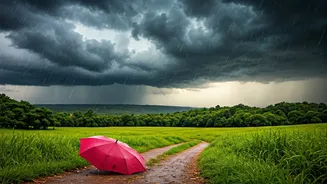
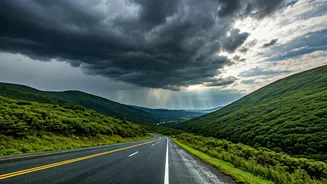
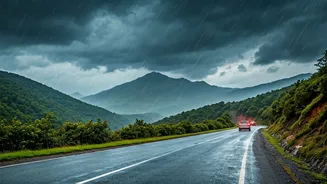
For Americans accustomed to seeking shelter from the rain, the concept of monsoon tourism in India might seem strange. But along the Konkan coast in the state of Maharashtra, the rainy season (roughly June to September) is peak season. The searing heat
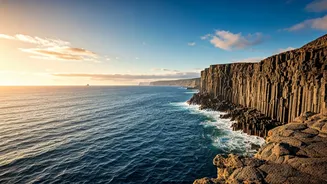
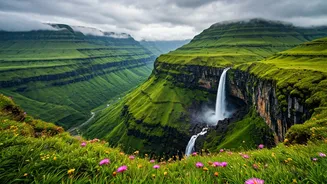
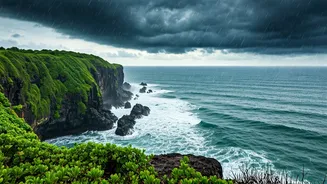
of summer breaks, the parched land turns a lush, impossible green, and waterfalls appear from nowhere. For young people from nearby cities like Mumbai and Pune, a road trip to the coast becomes a rite of passage. They seek out dramatic viewpoints where the churning Arabian Sea crashes against ancient cliffs, creating a spectacle that’s as thrilling as it is photogenic. These spots, shared rapidly on Instagram and TikTok, promise a raw encounter with nature at its most powerful.
Harihareshwar: The Spiritual Cliff Walk
Harihareshwar isn't just a viewpoint; it's a pilgrimage site, home to a temple dedicated to Lord Shiva. Its main attraction is the *pradakshina*, a sacred circular path carved into the rock that circumambulates the temple hill. During the dry season, it’s a stunning walk offering serene views of the sea. But during the monsoon, it’s a different beast. The path becomes a front-row seat to the ocean’s fury, with massive waves exploding against the rocks, sending spray hundreds of feet into the air. The appeal is obvious: it feels like standing at the edge of the world. The reality, however, is that this path can become treacherously slippery and parts of it are completely submerged during high tide. The very waves that create the spectacle can, and sometimes do, sweep people away.
Ratnagiri: Where History Meets the Sea
The district of Ratnagiri is dotted with historic sea forts, testaments to centuries of maritime conflict and trade. Forts like Ratnadurg and Jaigad are built directly onto coastal headlands, offering commanding views of the sea—a strategic advantage in the past, and a tourist draw today. Young visitors flock here to explore the moss-covered ramparts and crumbling watchtowers, with the stormy sea providing a dramatic backdrop. The appeal lies in this blend of history and raw nature. But the combination of heavy rainfall and relentless sea spray takes its toll on these ancient structures. Unmarked drop-offs are hidden by overgrown vegetation, and centuries-old stones can become dislodged. The perfect selfie spot on an old cannon pointing out to sea could be on an unstable ledge, a danger that’s easy to ignore in the heat of the moment.
Amboli Ghat: The Waterfall Mecca
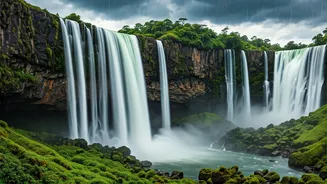
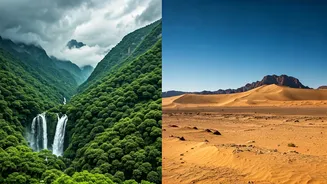
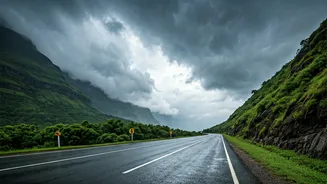
While not directly on the coast, Amboli Ghat is a vital part of the monsoon experience in this region. It’s a mountain pass in the Sahyadri range, which runs parallel to the coast. During the monsoon, the entire area comes alive with countless waterfalls cascading down the dark rock faces, often directly onto the road. It becomes a massive, natural waterpark. Groups of friends drive through the winding roads, stopping to drench themselves under the waterfalls in a chaotic, joyous celebration of the rain. The problem is the sheer volume of people and the unpredictability of the environment. The area is prone to landslides, and the force of the waterfalls can be dangerously underestimated. What starts as a fun outing can turn perilous with sudden flash floods or rockfalls, making it a hotspot for emergency service calls throughout the season.