

The Vibe: Colonial Order vs. Bohemian Spirit
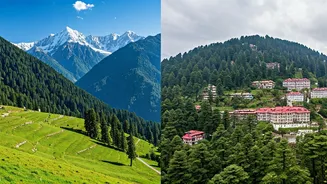
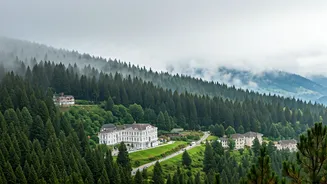
Shimla, the former summer capital of British India, feels like a city plucked from the English countryside and placed in the mountains. It’s defined by its colonial architecture, a pedestrian-only Mall Road filled with established shops and families strolling,
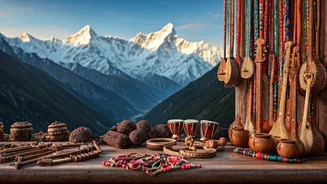
and a general sense of organized charm. It’s the more polished, resort-town option. Manali, on the other hand, is a tale of two towns. The main town is a bustling, sometimes chaotic hub, but its soul lies in Old Manali. Here, a laid-back, bohemian vibe prevails. Guesthouses with river views, cafes playing trance music, and a younger, international crowd give it a rustic, freewheeling energy. It’s less about orderly sightseeing and more about soaking in the atmosphere.
The Scenery: Grand Panoramas vs. Valley Immersion
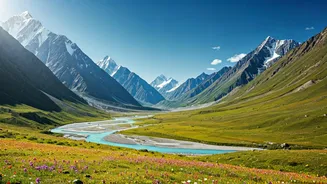
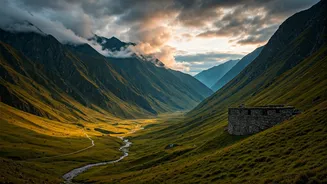
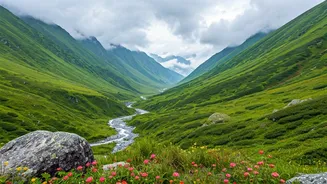
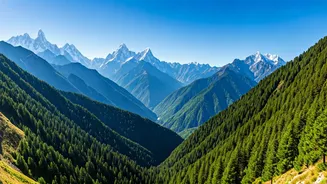
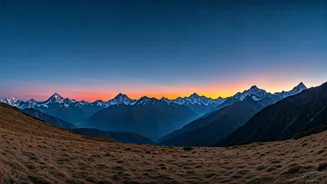
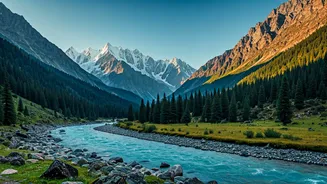
Shimla is perched on a ridge, offering spectacular panoramic views of the surrounding Himalayan foothills. The cityscape itself, with its church spires and gabled roofs, is a key part of the scenery. You often feel like you're looking out *at* the mountains from a comfortable perch. The famous Kalka-Shimla toy train ride provides a slow, scenic journey through pine forests and over 100 tunnels to get there. Manali is situated deep within the Kullu Valley, nestled alongside the rushing Beas River. You don't just look at the mountains; you feel completely enveloped by them. The peaks are sharper, snowier, and feel dramatically closer. The drive to Manali itself is an adventure, winding through the lush valley with the river as your constant companion. This is immersive, raw nature at its most powerful.
The Activities: Sightseeing vs. Adrenaline
A trip to Shimla centers on more relaxed pursuits. You'll spend time walking the Ridge, visiting the Viceregal Lodge to marvel at British-era history, and hiking to the Jakhoo Temple with its giant statue of the deity Hanuman. It's a destination for pleasant walks, historical exploration, and enjoying the crisp mountain air from a cafe. The activities are accessible and well-suited for families and those seeking a gentle getaway. Manali is the undisputed adventure capital of the region. Come June, the nearby Solang Valley is buzzing with opportunities for paragliding, zorbing (rolling downhill in a giant orb), and quad biking. The Beas River offers thrilling white-water rafting. The ultimate prize is a trip to the Rohtang Pass (permit required), a high-altitude mountain pass that opens in late spring, offering breathtaking views and the chance to play in summer snow.
The Crowd & Vibe: Families & Couples vs. Backpackers & Adventurers
Because of its accessibility and more established tourism infrastructure, Shimla tends to draw a lot of domestic tourists, particularly families and couples from nearby cities like Delhi and Chandigarh. It's a classic holiday spot that has been popular for generations. The atmosphere is generally lively but conventional. Manali attracts a more diverse and adventurous crowd. You’ll find everyone from honeymooners to solo backpackers from around the world. Old Manali, in particular, is a magnet for travelers on long-term journeys through Asia, giving it a distinctly international and youthful feel. If you're looking to meet other travelers and swap stories in a laid-back setting, Manali is your place.
The Food Scene: Classic Comfort vs. Global Cafes
Shimla's food scene reflects its history as a family destination. You'll find plenty of reliable restaurants along Mall Road serving North Indian classics, Chinese-Indian fare, and comfortable cafe food. It’s home to some iconic old-world establishments, like the Indian Coffee House, that feel like a step back in time. It's comforting and familiar. Manali, especially Old Manali, is a foodie’s playground. The global backpacker crowd has fueled a vibrant cafe culture serving everything from authentic Israeli shakshuka and wood-fired pizzas to German baked goods and fresh trout from the local river. The focus is on fresh ingredients, eclectic menus, and enjoying a long, lazy meal with a mountain view. It’s more experimental and varied.