






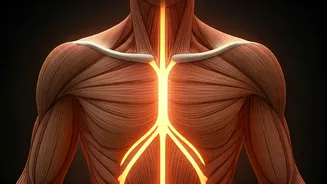
1. Building Functional Strength
Counting calories privileges cardio, but strength is the foundation of a capable body. Building muscle through resistance training does more than just make you stronger; it fundamentally changes your metabolism. Muscle tissue is more metabolically active
than fat, meaning you burn more calories at rest simply by having more of it. More importantly, functional strength allows you to move through life with ease and confidence—lifting groceries, playing with your kids, or moving furniture without fear of injury. Focusing on progressive overload (gradually lifting heavier or increasing reps) is a far better long-term metric of progress than watching a calorie counter tick down.
2. Boosting Your Mood and Mind
Exercise is one of the most potent mental health tools available. Physical activity triggers the release of endorphins, often called 'feel-good' hormones, which can produce feelings of euphoria and act as natural painkillers. It also helps regulate key neurotransmitters like dopamine and serotonin, which play crucial roles in mood, focus, and motivation. Regular movement has been shown to reduce symptoms of anxiety and depression, improve sleep quality, and enhance cognitive function. Instead of asking, "How many calories did I burn?" try asking, "How did that workout make me feel?" The mental clarity and stress relief are benefits that no calorie tracker can quantify.
3. Improving Your Heart Health
Your heart is a muscle, and exercise is how you train it. While vigorous exercise burns calories, its primary benefit is improving cardiovascular efficiency. Consistent activity strengthens the heart, allowing it to pump more blood with less effort. This lowers your resting heart rate and blood pressure, reducing strain on your entire circulatory system. Improved cardiovascular health is directly linked to a lower risk of heart disease, stroke, and other chronic conditions. A better goal than a calorie number is tracking your resting heart rate over time or noticing that you can climb a flight of stairs without getting breathless. That’s a sign of a stronger, healthier engine.
4. Increasing Mobility and Flexibility
A workout's value isn't just in the energy it expends, but in the freedom of movement it preserves. Mobility (your ability to move a joint through its full range of motion) and flexibility (the pliability of your muscles) are essential for preventing injury and maintaining quality of life as you age. Activities like yoga, Pilates, and dedicated stretching sessions might not light up the calorie-burn charts, but their benefits are profound. They undo the damage of sitting all day, improve posture, and ensure your body remains fluid and resilient. Being able to touch your toes or squat down easily is a more practical measure of physical wellness than any number on a screen.
5. Investing in Longevity and Healthspan
Ultimately, the goal of exercise shouldn't be a short-term number, but a long-term investment in your future self. The focus is shifting from just 'lifespan' (how long you live) to 'healthspan' (how many of those years are spent in good health). Exercise that builds bone density (like lifting weights or running) helps prevent osteoporosis. Activities that challenge your balance help prevent falls later in life. Every workout that builds strength, improves cardiovascular health, and maintains mobility is a deposit into your future health account. This ensures you remain independent, active, and engaged for decades to come—a reward far greater than hitting a daily calorie target.