








The Post-Pandemic Rush for Independence
After years of remote learning and social restrictions, Gen Z is making up for lost time—and they’re doing it on their own terms. Travel industry analysts are pointing to a significant spike in solo travel, particularly among the 18-to-25-year-old demographic.
This isn't just standard 'revenge travel'; it's a deliberate choice for independence. Having spent formative years navigating a world of screens and isolation, young Americans are seeking out experiences that push them out of their comfort zones and into the real world. Europe, with its well-trodden tourist paths and interconnected cities, has become the perfect proving ground. The allure of navigating a train schedule in a foreign language or discovering a hidden cafe in Lisbon is a powerful antidote to the monotony of a curated digital life. This quest for self-reliance is a primary driver sending students abroad, not with a group, but with just a backpack and a smartphone.
It’s Not Your Parents’ Hostel
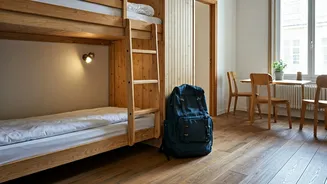
The word 'hostel' might conjure images of questionable shared bathrooms and lumpy mattresses. But that stereotype is woefully outdated. The properties driving this booking boom are often called 'poshtels'—design-forward, amenity-rich hybrids of hotels and traditional hostels. Chains like Generator, a&o, and St. Christopher's Inns now offer everything from rooftop bars with panoramic city views to on-site co-working spaces, private en-suite rooms, and barista-quality coffee shops. Cleanliness, security (including key-card access and female-only dorms), and high-speed Wi-Fi are now standard. These establishments understand their clientele. They're not just selling a bed; they're selling an experience and a community hub. They organize nightly social events, walking tours, and cooking classes, making it incredibly easy for a solo traveler to meet like-minded people from around the globe within an hour of checking in. This curated social environment is a huge part of the appeal.
The New Economics of a Gap Year
While the experience is premium, the price remains accessible. In an era of soaring hotel costs and general inflation, hostels present an unbeatable value proposition. For the price of a single night in a mediocre hotel in Paris or Rome, a student can often afford three or four nights in a top-rated hostel. This economic reality allows for longer, more immersive trips. A two-week vacation can stretch into a month-long exploration, deepening the cultural experience. But it’s not just about saving money. Gen Z travelers are famously value-driven. They see the 'cost' of a trip not just in dollars, but in the richness of the experience gained. Spending less on lodging frees up budget for museum tickets, local food, and unique activities. The hostel model, with its communal kitchens, also allows travelers to save money by cooking their own meals—a practice that doubles as another opportunity for social interaction.
Digital Tools, Analog Connections
This trend is powered by technology but fueled by a desire for its opposite. Platforms like Hostelworld have gamified the booking process with extensive reviews, photos, and social features that allow travelers to see who else will be staying at their hostel and even start a group chat before they arrive. TikTok and Instagram have demystified solo travel, with countless videos offering packing tips, city guides, and firsthand accounts that make the prospect feel less intimidating and more aspirational. Yet, the ultimate goal of all this digital prep is to facilitate real-life, analog connections. After connecting online, travelers are meeting up for city tours or evening drinks. The phone is the tool, but the experience is the prize. This generation has mastered the art of using digital platforms not as a substitute for reality, but as a bridge to it.