


The Backlash to the Perfect Post
For years, the pinnacle of vacationing seemed to be achieving a state of effortless, photogenic perfection. The goal was to capture moments that looked flawless on a screen—an artfully arranged cocktail against a sunset, a perfectly composed landscape,
a carefree pose in a designer sundress. But a quiet fatigue has set in. The pressure to perform for the ‘gram, to curate a highlight reel that often feels disconnected from the actual experience, has left many travelers feeling hollow. This exhaustion is fueling a counter-movement. Instead of seeking out the most-photographed spots, a growing number of people are searching for experiences that are intentionally un-shareable or, at the very least, authentic in their messiness. The new goal isn’t to prove you were there; it’s to actually *be* there. This shift is less about rejecting technology and more about reclaiming the purpose of a vacation: to rest, to connect, and to return with something more meaningful than just a full camera roll.
From Buying Souvenirs to Acquiring Skills
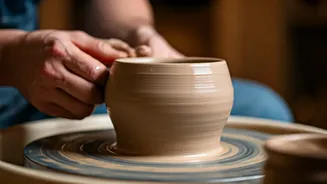
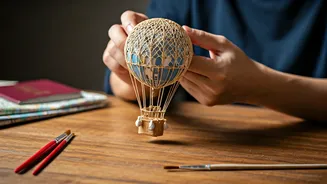
The traditional souvenir—a mass-produced magnet, a t-shirt, a snow globe—feels increasingly impersonal. The new, more coveted souvenir is a skill. It’s the memory of kneading dough with a nonna in a Tuscan kitchen, the muscle memory of throwing a pot on a wheel in Oaxaca, or the quiet satisfaction of learning a few chords on a ukulele from a local in Hawaii. These are souvenirs that can’t be bought in an airport gift shop. They are earned through participation, focus, and a willingness to be a beginner. This isn't about becoming a master artisan in a week. It’s about the process. Engaging in a craft connects you to a place and its culture on a deeper level. You’re not just observing; you’re creating. You’re learning the story behind a local tradition, not just looking at its finished product. That slightly lopsided bowl you made carries more weight and a richer story than any perfectly crafted item you could have purchased. It’s a tangible link to a specific time, place, and feeling.
The Luxury of Single-Tasking
In our daily lives, we are masters of the multi-task. We answer emails while on conference calls, scroll through social media while watching TV, and listen to podcasts while making dinner. Our brains are constantly toggling between stimuli, a state that research shows is draining and inefficient. What’s the rarest commodity in this environment? Sustained, undivided attention. This is the hidden luxury of the handmade memory. The act of making something with your hands—whether it’s painting, weaving, cooking, or gardening—demands single-tasking. You can’t scroll Instagram while your hands are covered in paint or clay. You have to focus on the texture, the smell, the rhythm of the work. This forced mindfulness is a powerful antidote to digital-age burnout. It’s a form of meditation that produces something tangible at the end. For a few hours, the endless to-do list fades away, replaced by the simple, grounding task at hand. That, for many, is a more profound form of rest than an afternoon spent by the pool.
How to 'Handmake' Your Next Trip
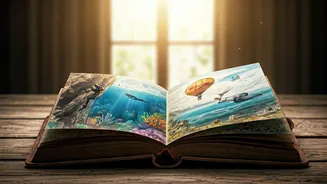
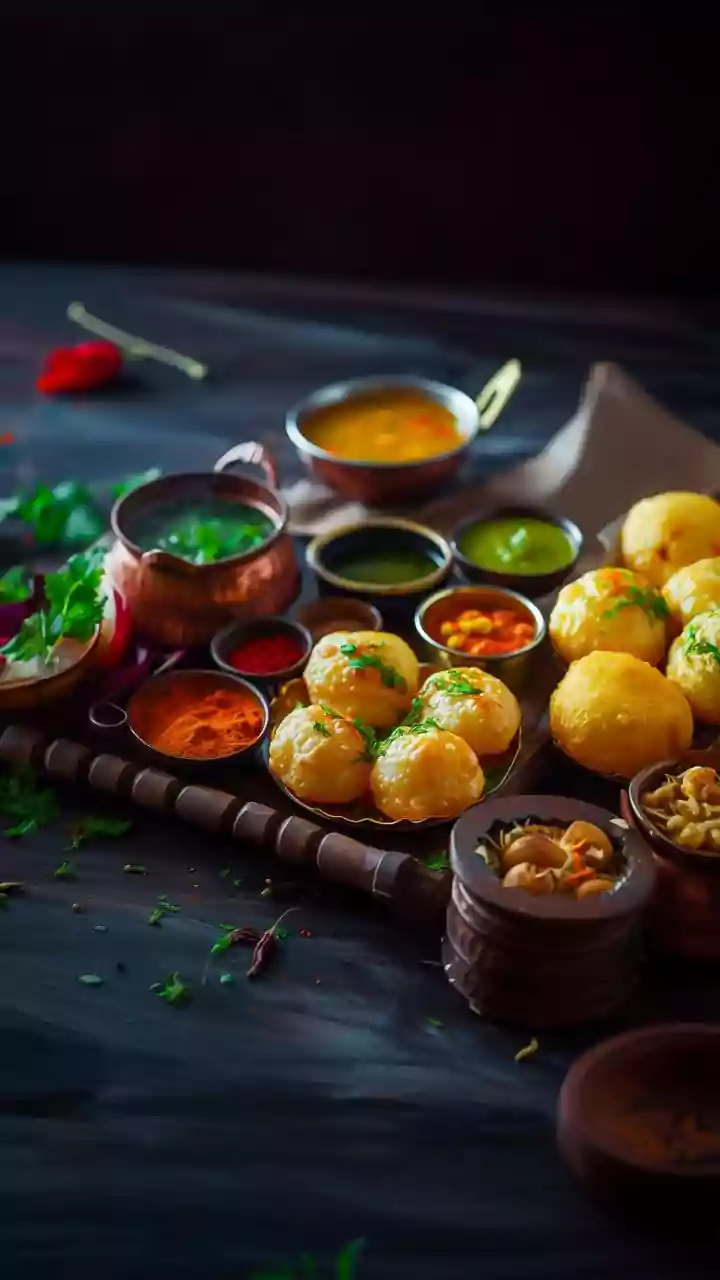
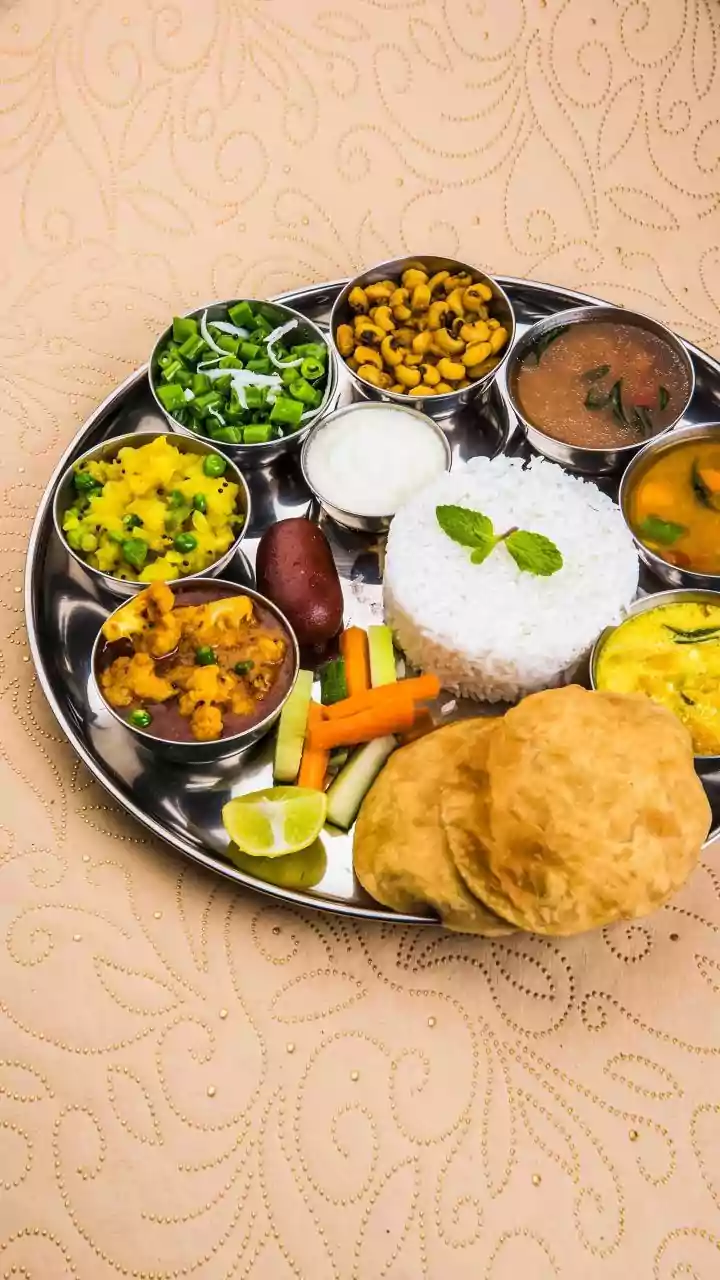
Embracing this philosophy doesn’t require booking an expensive, week-long craft retreat (though those can be wonderful). It’s a mindset you can apply to any trip. Before you go, do some research beyond restaurants and museums. Are there any local artisans who offer short workshops? A community cooking class? A farm where you can learn about its produce? Even simpler, you can create your own handmade experience. Pack a small watercolor set and a pad of paper instead of just your phone. Dedicate an hour each morning to sketching what you see. Keep a written journal instead of a social media thread. The goal is to switch from a consumptive mindset (What can I see? What can I buy?) to a creative one (What can I make? What can I learn?). The focus shifts from capturing the moment for others to savoring it for yourself.