







The New 'First' Investment
For generations, the gateway to investing was paved with familiar names like Ford, Coca-Cola, or a diversified S&P 500 index fund. It was a relatively stable, slow-and-steady introduction to the world of markets. Today, that on-ramp looks radically different
for millions of young Americans. Instead of logging into a Charles Schwab or Fidelity account to buy a stock, they’re opening a Coinbase or Robinhood account to buy Bitcoin, Ethereum, or another cryptocurrency. A 2022 survey noted that among young investors (18-34) who own crypto, a significant portion bought it before ever owning stocks. This flips the traditional investment journey on its head. The 'starter asset' is no longer a slice of corporate America, but a piece of a decentralized, digital network. This choice isn’t just about technology; it’s a statement about where they see future growth and, in some cases, a sign of disillusionment with the traditional financial system.
A Crash Course in Volatility
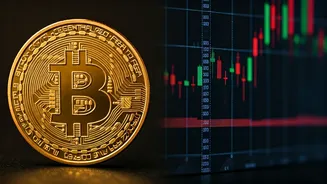
Your first stock likely didn’t swing 20% in a single day. Your first Bitcoin purchase very well might have. By starting with one of the most volatile asset classes on the planet, these first-time investors are getting a baptism by fire. Their entire perception of risk is calibrated against crypto’s wild price movements. For some, the shock of a sudden 'crypto winter'—a prolonged bear market—sends them running for the exits, scarred and vowing never to return. For others, however, it builds an almost unnatural tolerance for volatility. After watching your portfolio halve and then recover in a matter of months, a 5% drop in the stock market can feel like a rounding error. This altered risk perception has profound implications. These investors may be more inclined to take bigger risks in other parts of their portfolio or may become desensitized to market signals that would have panicked previous generations.
Goodbye, Wall Street Hours
The stock market operates on a strict schedule, generally 9:30 a.m. to 4:00 p.m. ET, Monday through Friday. The crypto market never closes. This 24/7/365 nature fosters a completely different type of engagement. There is no 'after-hours' analysis; there is only 'now.' This constant activity is amplified by the communities that drive it. Instead of relying on quarterly earnings reports and analysis from suited experts on CNBC, the digital gold investor turns to Twitter (now X), Reddit forums like r/CryptoCurrency, and Discord servers. Information—and misinformation—spreads at the speed of a meme. This shifts the source of trust from established institutions to pseudonymous influencers and the wisdom (or mania) of the crowd. Decisions are often more collaborative and faster, but also more susceptible to hype cycles and coordinated 'pump and dump' schemes.
Redefining 'Long-Term' Holding
Traditional finance preaches 'buy and hold' for the long term, a strategy centered on diversification and decades-long patience for retirement. The crypto world has its own version: 'HODL' (Hold On for Dear Life). While both advocate for patience, the underlying philosophy is different. HODLing is often more than an investment strategy; it’s an ideological stance. It represents a belief in the long-term viability of a specific digital asset, often Bitcoin, as a future global store of value that will eventually supplant or rival traditional assets like gold or even fiat currencies. This conviction is reinforced by a powerful online culture of shared belief. It encourages holding through brutal downturns, not for diversification, but out of faith in the network's ultimate triumph. A 401(k) is a retirement plan; for some, HODLing is a revolution.