

The Ghost of the Hippie Trail
Picture it: the late 1960s. A VW bus sputters to a halt. Out climbs a Westerner with a guitar, drawn eastward by tales of cheap living, spiritual enlightenment, and pristine nature. This was the birth of Manali’s legend. Along with Goa and Kathmandu,
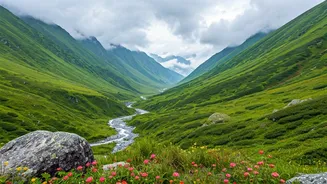
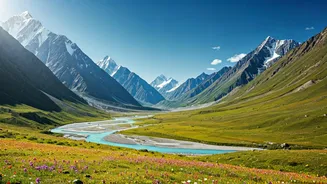
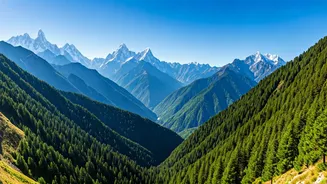
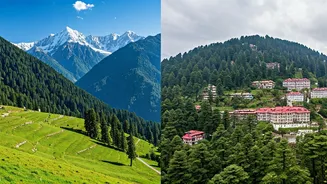
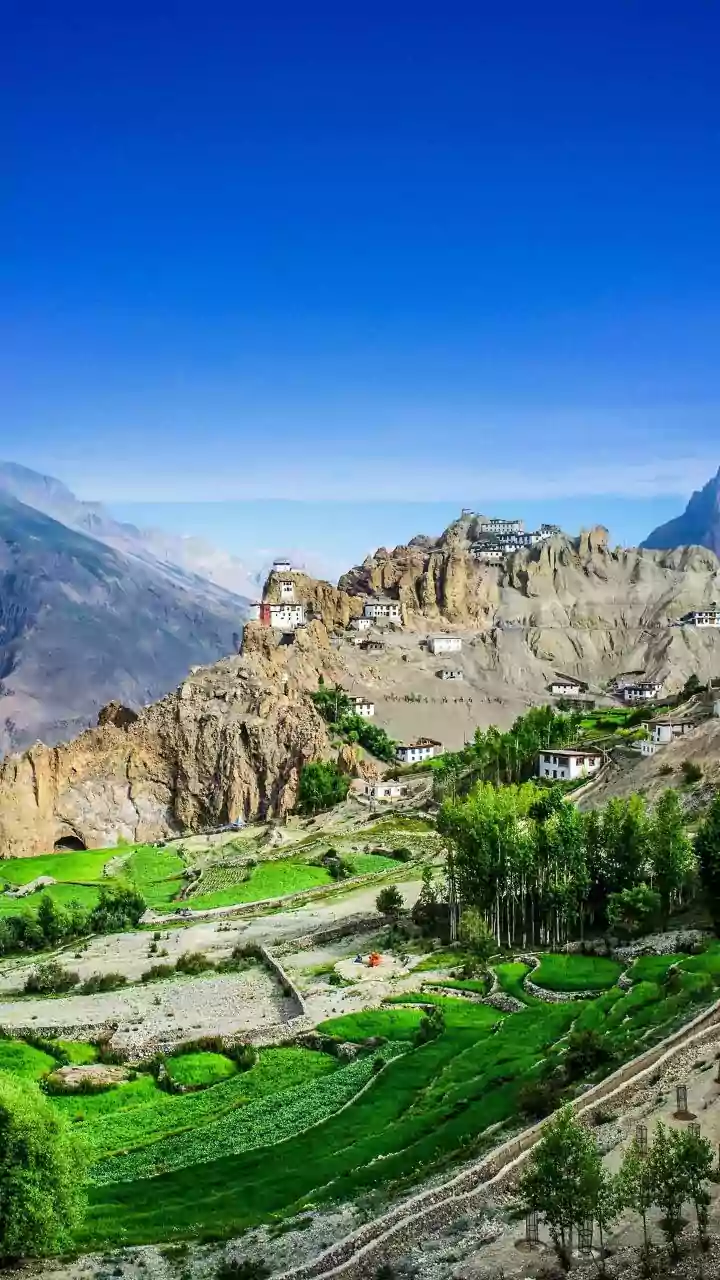
this remote corner of Himachal Pradesh became a key outpost on the “hippie trail,” a loose network of overland routes connecting Europe to South Asia. Old Manali, with its traditional wooden homes and the gurgling Beas River, was the epicenter. It offered a refuge for those looking to escape the straight-laced West. Here, under the shadow of colossal Himalayan peaks, one could find cheap hashish (charas), camaraderie with fellow travelers, and a sense of being truly off the grid. The goal wasn’t just to see a place, but to inhabit it, to disconnect from the material world and connect with something deeper. This romantic, rustic image became Manali’s calling card, passed down through travelogues and whispered between generations of backpackers.
From Zen to Instagram
Step into Old Manali or the nearby Parvati Valley today, and you'll find that the ghost of the hippie trail is now a highly commercialized theme. The quiet, family-run guesthouses have been joined by multi-story hotels. The simple cafes serving dal and rice now compete with Israeli-style hummus platters, German bakeries, and wood-fired pizza joints—all with neon signs advertising “Free WiFi.” The soundtrack is less likely to be a lone acoustic guitar and more likely a thumping psytrance beat from a riverside party. Instead of travelers lost in contemplation, you’re more likely to see them hunting for the perfect angle for an Instagram post, a drone buzzing overhead to capture the valley's grandeur. The “secret” trails are now well-trodden paths, marked on Google Maps and populated by a constant stream of trekkers in brightly colored activewear. The feeling of discovery has been replaced by the hum of consumption. What was once a place to disconnect is now a place to create content about disconnecting.
A New Generation of Wanderer
The crowd itself has changed dramatically. While international backpackers are still a fixture, they are now vastly outnumbered by a new wave of domestic tourists. For India's growing urban middle class, Manali is the quintessential mountain getaway—a cool escape from the sweltering plains and a rite of passage for college students and young professionals from cities like Delhi and Chandigarh. These new visitors aren’t necessarily searching for the 1960s counter-culture dream. They’re here for adventure sports like paragliding and zorbing, for weekend music festivals, and for the vibrant cafe culture. They arrive by the busload, creating traffic jams that snake for miles up the mountain roads. This isn't a critique, but a reality: Manali's appeal has broadened, and its infrastructure is groaning under the weight of its own popularity. The town's economy now depends on this high volume of tourism, creating a complex dynamic where locals must cater to a market that is worlds away from the quiet wanderers of the past.
The Paradox of the 'Secret' Place
Manali’s story is a perfect illustration of the traveler’s paradox: the moment a “hidden gem” is discovered and shared, it begins to lose the very qualities that made it special. In the age of social media, this process has been put on hyperdrive. A single viral reel can turn a secluded waterfall into a crowded photo-op in a matter of weeks. The desire for authenticity is what drives people to places like Manali, but that collective desire inevitably sands down the rough, authentic edges until a smoother, more palatable—and less magical—version remains. This isn't unique to Manali. We've seen it in Tulum, Mexico; in Bali, Indonesia; and in countless other destinations that were once whispered about. The search for the unbeaten path has created a global superhighway. The secret is out, and it was probably posted to a travel blog with affiliate links.