


The Soul of Simple Food
For hundreds of millions in India and across its diaspora, khichdi is the culinary equivalent of a warm hug. At its core, it's a humble, one-pot dish of rice and lentils (usually moong dal) cooked together until soft and porridge-like. Seasoned with a touch
of turmeric and salt, and often finished with a dollop of ghee, it’s the first solid food for babies, the restorative meal for the unwell, and the go-to supper on a lazy weeknight. It’s nourishing, easy to digest, and profoundly unpretentious. Khichdi isn't something you'd typically find on a fine-dining menu; it's what you eat at home, in your pajamas, when you need something dependably soothing. Its identity is built on simplicity, not spectacle.
From Home Kitchen to High-End
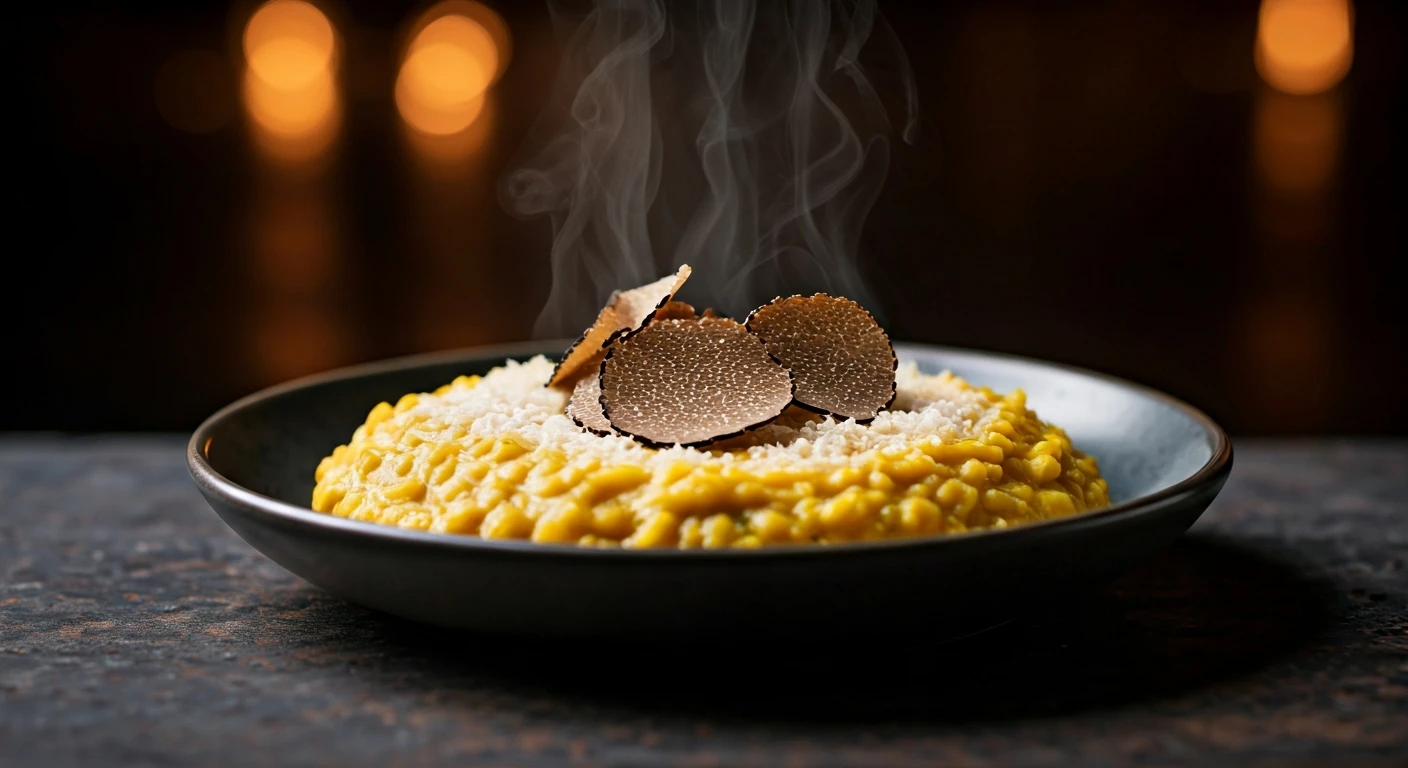
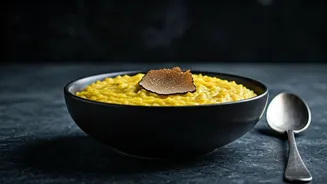
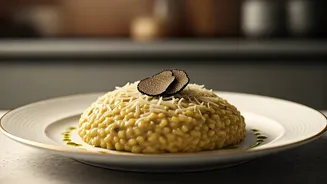
So how did this modest dish end up mingling with black truffles? The transformation is part of a broader movement in modern Indian cuisine. For years, chefs in the U.S. and Europe have fought to elevate Indian food beyond the buffet line and takeout container. They began deconstructing and reimagining classic dishes, applying French techniques and using premium ingredients to prove that Indian flavors belong in the world of Michelin stars. Chef Vikas Khanna famously served a sophisticated version at his New York restaurant, Junoon, helping to shift perceptions. Khichdi, with its creamy, neutral base, became a perfect canvas for culinary artistry. Adding exotic mushrooms, quinoa, or other gourmet twists became a way to honor tradition while pushing boundaries. The arrival of truffle, the king of earthy, aromatic fungi, was the logical, if audacious, next step in this evolution.
The Psychology of Premium Comfort
This isn't just about khichdi. We are living in the age of the 'bougie' comfort classic. Think lobster mac and cheese, burgers made with wagyu beef, and artisanal grilled cheese sandwiches with fig jam and prosciutto. There's a powerful psychology at play. We crave the nostalgic safety of the foods we grew up with, but our adult palates—and perhaps our egos—want something more sophisticated. This hybrid desire fuels a market for dishes that offer both familiarity and novelty. The truffle-topped khichdi is the ultimate expression of this trend. It delivers the soul-soothing texture of the original but adds a layer of complex, savory, and undeniably luxurious flavor. It’s a dish that says, 'I appreciate the finer things in life, but I also just want my mom's cooking.' It’s comfort, but with status.
But Is It Actually Good?
The million-dollar question (or at least the $40-a-plate question) is whether this fusion works. Skeptics might call it a gimmick, an unnecessary complication of a perfect, simple food. Purists argue that the delicate, subtle spices of a traditional khichdi would be bulldozed by the potent aroma of truffle. But proponents see it differently. When done right, the earthy, umami-rich notes of black truffle can beautifully complement the creamy lentils and rice. The key is balance. A chef who understands both ingredients can create a dish where the truffle enhances the khichdi's inherent comforting qualities rather than overpowering them. The result can be a deeply satisfying, multi-layered experience—a creamy, savory bowl that feels both brand new and as old as time. It’s a culinary conversation between East and West, humility and luxury, happening right on your spoon.