
The Comfort of the Classics
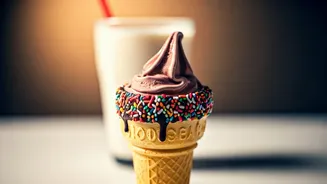
There’s a certain magic baked into the American summer, and much of it tastes like dairy. It’s the sound of the ice cream truck jingle rounding the corner, the race to finish a chocolate-dipped cone before it melts down your arm, or the brain-freeze from
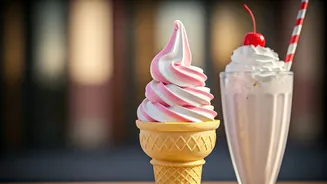
a milkshake that’s more ice cream than milk. For decades, treats like these weren’t just desserts; they were low-cost, high-joy punctuation marks in the long, lazy days of July and August. They were simple, predictable, and profoundly satisfying. This core memory is the foundation of a major trend hitting menus and freezer aisles this summer. Chefs and brands are realizing that in a world of endless, complicated choices, what many of us crave is a return to the familiar. The humble soft serve, the straightforward ice cream sandwich, and the classic banana split are experiencing a renaissance, not just as menu afterthoughts but as headliners. They represent a kind of edible security blanket—a taste of a simpler time we’re all hungry for.
Not Your Childhood Milkshake
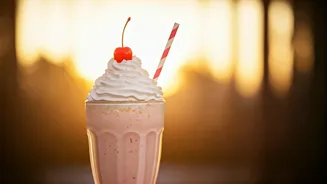
But this isn't just a carbon copy of the past. The “twist” in this nostalgia trip is the infusion of modern, gourmet, and often unexpected flavors and techniques. Yesterday’s simple vanilla soft serve is today’s olive oil, sweet corn, or miso-caramel creation. That basic strawberry milkshake has been reimagined with balsamic vinegar and fresh basil. It’s a culinary movement that honors the form and feeling of the original while elevating the substance. Artisanal ice cream shops are leading the charge. You’ll find soft serve swirled with cereal milk, evoking Saturday morning cartoons, but made with high-quality, locally sourced dairy. Old-school ice cream sandwiches are being remade with freshly baked brown-butter cookies and small-batch gelato. Even fast-food giants are getting in on the action, releasing limited-edition shakes with flavors that blend sweet, salty, and even a little “swicy” (sweet and spicy). The goal is to trigger that nostalgic dopamine hit while also giving our adult palates something new and exciting to explore. It’s the best of both worlds: the comfort of memory paired with the thrill of discovery.
Why We're All Craving Yesterday
So, why is this happening now? Food trends are rarely just about food; they’re a reflection of the cultural mood. In an era marked by economic uncertainty, digital overload, and a lingering sense of post-pandemic anxiety, we’re collectively seeking comfort. Nostalgia is a powerful soothing agent. These dairy-forward desserts offer a low-stakes, affordable escape to a time that felt safer and less complicated. Furthermore, the rise of “kidulting”—where adults embrace the joys and aesthetics of childhood—plays a significant role. It's no longer considered childish to want something fun and whimsical. In fact, it's celebrated as a form of self-care. This trend allows adults to indulge in a childhood favorite without feeling like they’re ordering off the kids’ menu. The sophisticated flavor profiles and high-quality ingredients provide a permission slip of sorts, framing the indulgence as a discerning choice rather than a regression. It’s a way to feel taken care of, to reconnect with a simpler version of ourselves, one spoonful at a time.
From Food Trucks to the Freezer Aisle
This embrace of dairy nostalgia isn't confined to high-end restaurants or trendy urban scoop shops. It’s a mainstream phenomenon. Look in the grocery store’s freezer section, and you'll see it in action. Classic brands are re-releasing beloved frozen novelties from the '80s and '90s, often with cleaner ingredient lists to appeal to today’s health-conscious consumer. Think Choco Tacos, Klondike Bars, and Good Humor’s Strawberry Shortcake bars, all tapping into Millennial and Gen X sentimentality. Newer, direct-to-consumer brands are also building their entire identity around this modern-nostalgic ethos. They sell pints and bars that explicitly promise to taste like your childhood, but better. The packaging is retro, the marketing is playful, but the product itself is often organic, lower in sugar, or made with plant-based dairy alternatives, proving the nostalgic pull is strong enough to cross dietary lines. The trend is a testament to the enduring power of a shared American food memory.