




The Literal Allure of Altitude
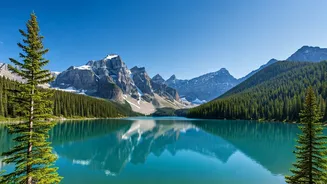
At its most fundamental level, the directive to 'go higher' is about a renewed appreciation for altitude. Mountain towns from Telluride, Colorado, to Zermatt, Switzerland, are no longer just winter ski destinations; they are year-round havens for those
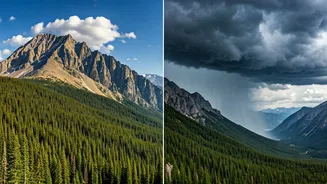
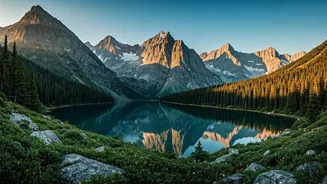
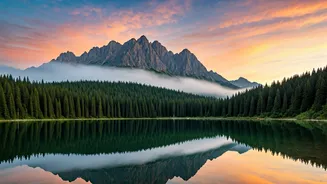
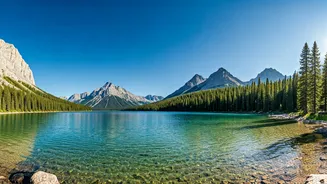
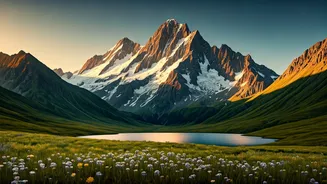
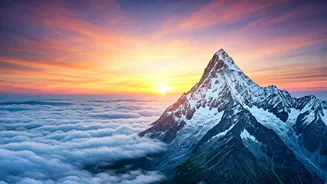
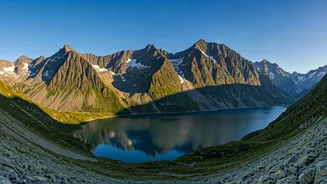
seeking crisp air, dramatic vistas, and a tangible sense of being above the fray. The appeal is rooted in something primal. Standing on a peak, or even just a high-altitude plateau, offers a literal change in perspective. The world’s problems seem smaller, the horizon feels infinite, and the sheer scale of the landscape enforces a sense of humility and awe. This isn't just about extreme mountaineering. It’s found in the boom of scenic gondolas, the popularity of high-altitude hiking trails for all skill levels, and the simple, profound pleasure of sipping coffee on a balcony overlooking a valley shrouded in morning mist. The physical challenge of an ascent, no matter how modest, provides a satisfying sense of accomplishment that a week on a sun lounger rarely can.
Chasing a Celestial Perspective
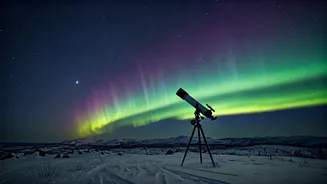
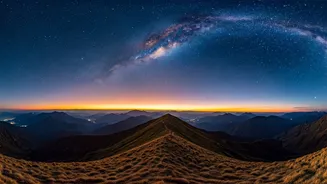
Going higher isn't just about climbing mountains; it's also about looking up from them. The explosive growth of astrotourism is a direct extension of this trend. As light pollution washes out the night sky for over 80% of Americans, travelers are actively seeking out darkness. They are heading to designated International Dark Sky Parks in places like Joshua Tree, California, or the deserts of Utah and Nevada, where the Milky Way arcs across the sky in breathtaking clarity. High-altitude locations, with their thin, dry air, are often the best places for stargazing. Destinations like Chile’s Atacama Desert or the observatories on Mauna Kea in Hawaii offer a view of the cosmos that feels profoundly transportive. This isn't just an activity; it's a deeply moving experience that connects us to the universe and our small place within it. It’s the ultimate act of 'going higher'—transcending the terrestrial to contemplate the infinite.
An Elevated State of Mind
The most powerful interpretation of this new rule has little to do with elevation in feet and everything to do with an elevated mindset. The pandemic recalibrated priorities for many, sparking a desire for travel that is more intentional, restorative, and transformative. 'Going higher' has become a metaphor for seeking out experiences that foster personal growth and mental clarity. This can take many forms. It might be a yoga retreat in the Berkshires, a silent meditation course in a remote forest, or a wellness-focused stay at a resort that prioritizes mindfulness over poolside cocktails. It’s about choosing destinations and activities that quiet the noise of daily life and create space for reflection. The goal is to return from a trip not just rested, but renewed, with a new skill, a deeper understanding of oneself, or simply a clearer head. This type of travel is an investment in mental and spiritual well-being, trading fleeting fun for lasting fulfillment.
How to Embrace the Ascent
Adopting the 'go higher' philosophy doesn't require booking a flight to Nepal. It's a scalable concept that can be integrated into any trip, and any budget. Start small. If you're visiting a major city, skip the crowded ground-floor cafe and seek out a rooftop bar for sunset. The simple act of seeing the city grid from above can completely change your relationship with the place. When planning a road trip, purposefully route through a mountain pass instead of taking the interstate. Choose a hotel that’s on a hill, not in the center of town. On a beach vacation, dedicate one day to hiking the highest coastal bluff for a panoramic view. The key is to consciously seek out moments of elevation. It’s about building an itinerary that includes at least one experience designed to lift you, literally or figuratively, above the ordinary and give you that soul-stirring 'top of the world' feeling.