




An Escape Above the City
For decades, Delhi’s social life revolved around its bustling street-level markets, colonial-era clubs, or, more recently, air-conditioned malls. But a new social gravity is pulling the city’s young and trend-conscious upward. Across the sprawling Indian
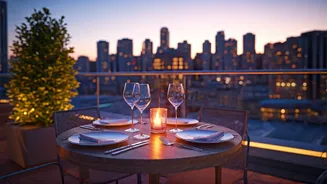
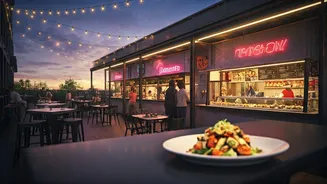
capital, from the business hubs of Gurugram to the chic enclaves of South Delhi, a vibrant scene is unfolding on terraces, rooftops, and in curated open-air plazas. These aren't just restaurants with a view; they are full-fledged culinary destinations, collections of gourmet food stalls and pop-up kitchens that function as modern food courts under the open sky. They offer a carefully designed escape from the sensory overload of one of the world's most densely populated cities. By ascending a few floors, visitors trade the cacophony of horns and crowds for curated playlists, comfortable seating, and a breezy, communal atmosphere.
More Than Just a Meal
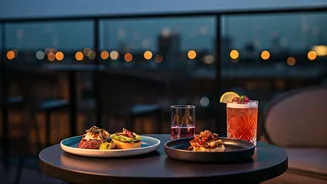
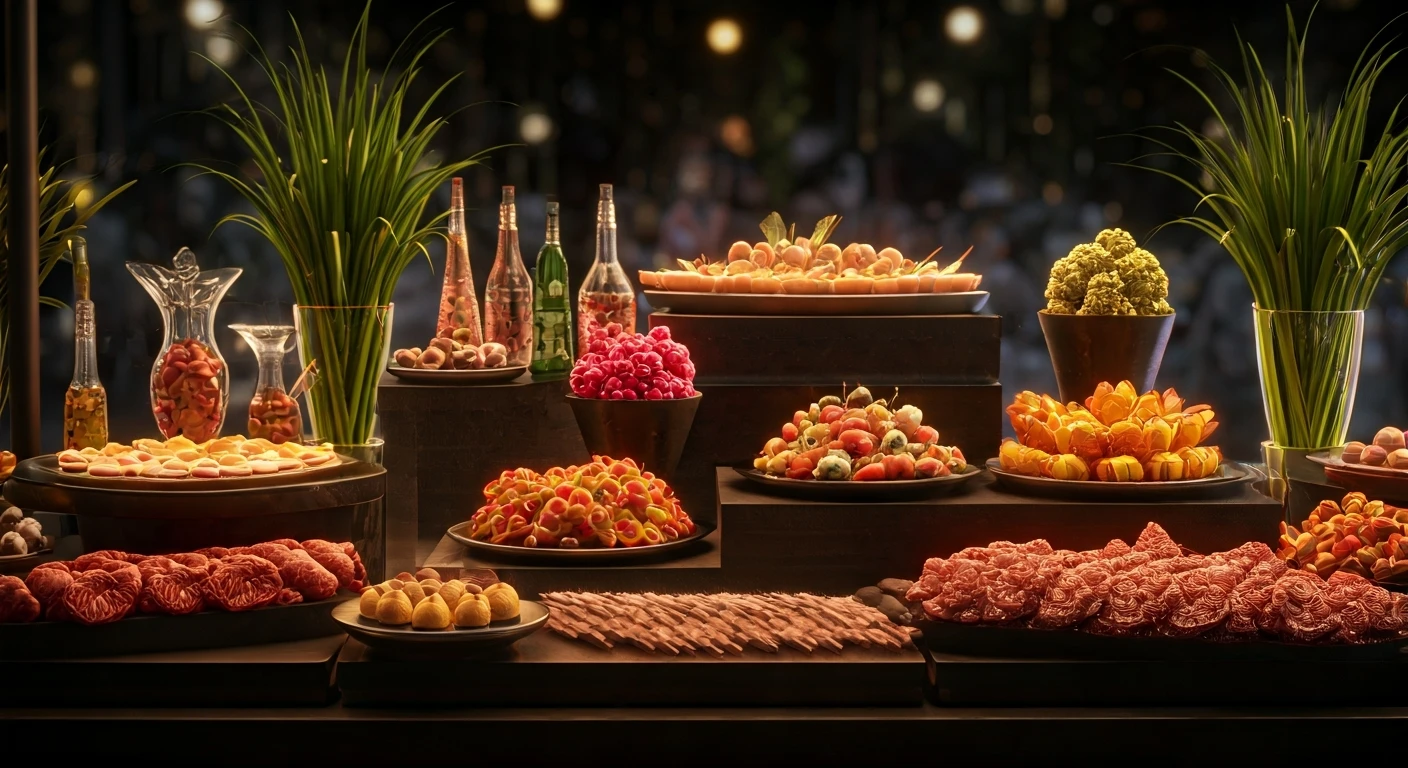
The appeal of these rooftop hubs goes far beyond the food. They are fundamentally social spaces, engineered for connection in an era when people are craving it most. The trend, which was nascent before 2020, exploded in its aftermath as diners sought safer, open-air alternatives to enclosed restaurants. What began as a practical solution quickly evolved into a preferred lifestyle choice. Here, the experience is less formal than a traditional restaurant. Groups of friends can wander between different vendors, satisfying a craving for spicy momos from one, a gourmet burger from another, and a decadent waffle for dessert from a third. It’s a choose-your-own-adventure style of dining that fosters a relaxed, lingering vibe. People don't just come to eat; they come to spend the evening, catch up with friends, and soak in the energy of the city from a comfortable distance.
A Taste of Modern India
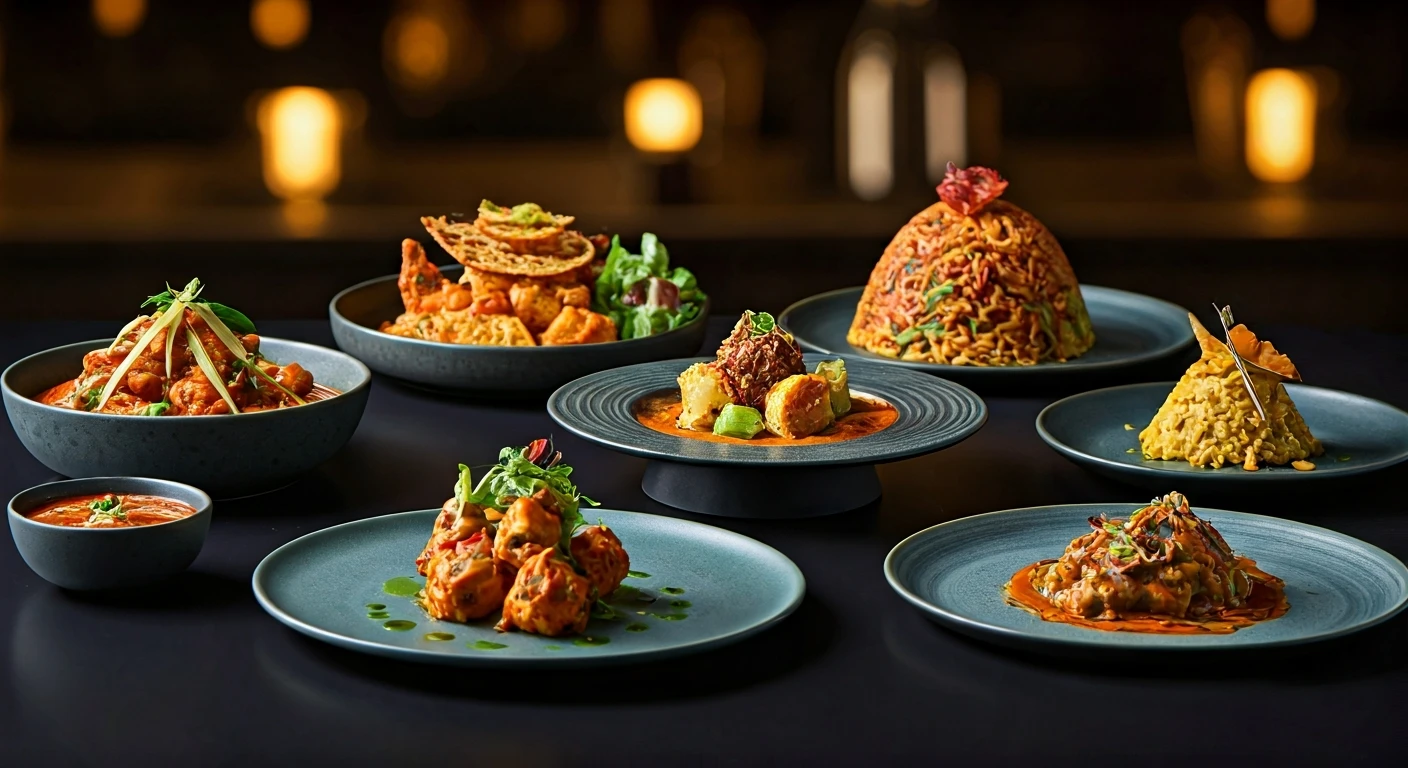
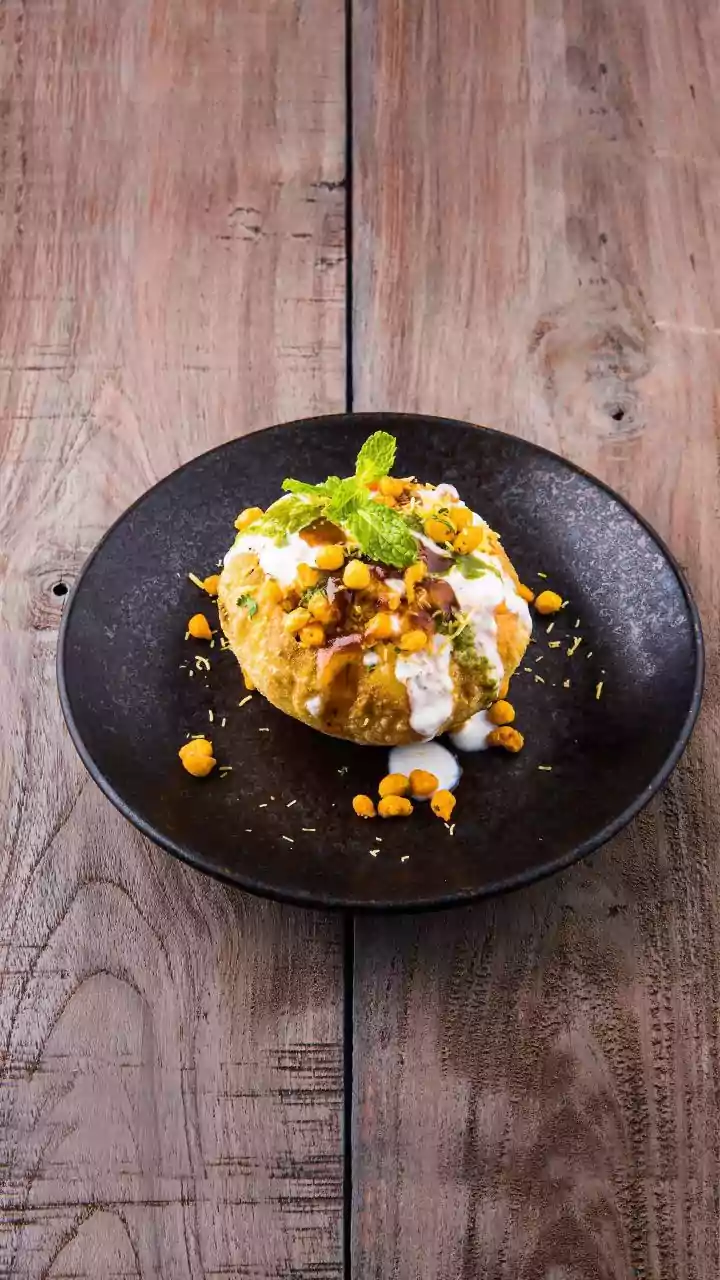
The food itself is a mirror of contemporary urban India: a confident fusion of global trends and beloved local flavors. While you can always find phenomenal versions of Indian classics—think butter chicken, biryani, and an array of chaat (savory snacks)—they often sit alongside stalls selling wood-fired pizzas, authentic ramen, or loaded tacos. This isn't the simple street food of Old Delhi, but it’s not stuffy fine dining, either. It’s the culinary middle ground where experimentation thrives. A vendor might offer a paneer tikka quesadilla or a biryani arancini ball, playfully blending culinary traditions. This approach caters perfectly to the globalized palate of Delhi’s younger generations, who have grown up with access to international culture and expect a dining experience that reflects that cosmopolitanism. It’s a delicious, living document of India’s evolving tastes.
The New Urban Blueprint
While impromptu rooftop bars have long been a part of Delhi’s landscape, these new spaces are more deliberate. They are often found in modern commercial complexes like Aerocity’s Worldmark, which features “The Walk,” an entire promenade of eateries, or in redeveloped urban spaces that bring together dozens of food brands in one location. These hubs are meticulously planned to create a specific aesthetic—part night market, part stylish lounge. The success of this model is reshaping how developers think about commercial real estate in the city. Instead of just another sealed-off food court in a mall basement, the rooftop or open-air plaza has become a prime asset, a magnet for foot traffic that proves the best way to experience a city is sometimes from above it all.