

Beyond the 'After' Photo
For years, home makeovers were driven by a dramatic 'before and after' narrative. The goal was a visual transformation, often inspired by glossy magazines and, more recently, perfectly curated Instagram feeds. Mindful design reframes this entirely. It's
an approach that prioritizes how a space makes you feel over just how it looks. It asks questions like: Does this layout reduce stress? Does this room encourage connection? Does my environment support my daily habits and mental health? This philosophy treats your home not as a stage, but as a sanctuary—a tool for better living. It’s a direct response to the burnout and visual fatigue of modern life, suggesting our most personal spaces should be a source of calm, not another source of pressure.
Embrace a Connection to Nature
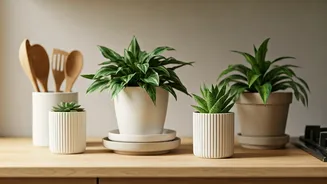
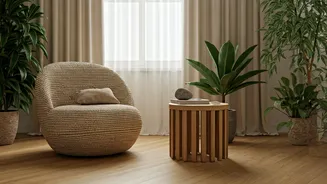
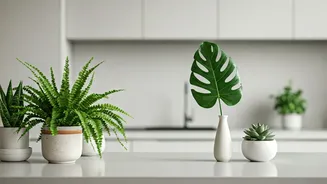
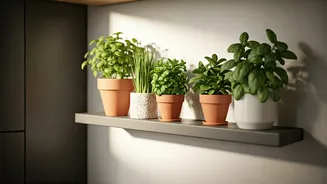
A core tenet of mindful design is biophilia—the idea that humans have an innate need to connect with nature. Incorporating this into your home is one of the easiest and most impactful changes you can make. Start by maximizing natural light. Keep window treatments simple to let the sun in, which can boost mood and regulate sleep cycles. Introduce houseplants, which not only purify the air but have been shown to reduce stress. Even a few low-maintenance snake plants or a pothos can make a difference. Finally, consider materials. Swapping out plastic for wood, stone, wool, or linen introduces natural textures that are grounding and pleasing to the touch, creating a subtle but powerful link to the outdoors.
Design for All Your Senses
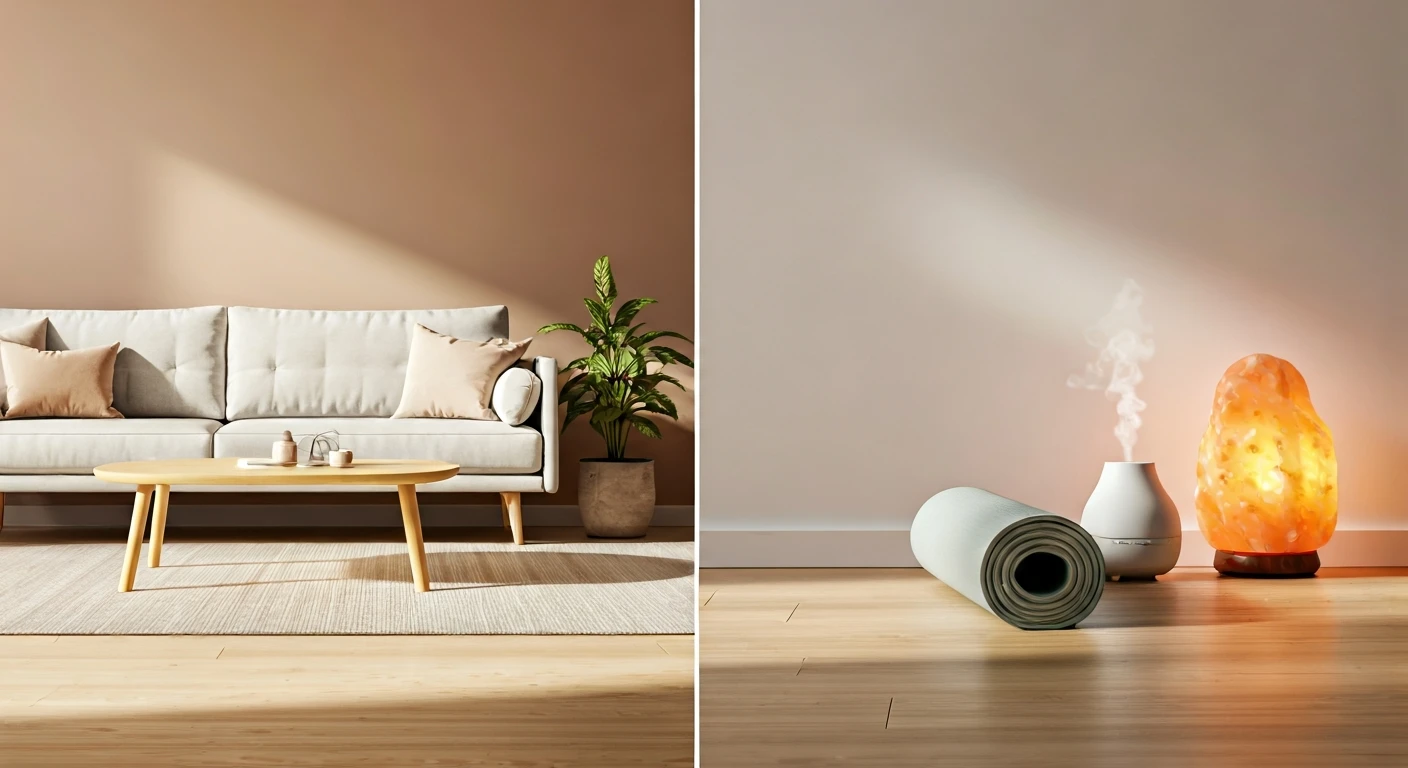
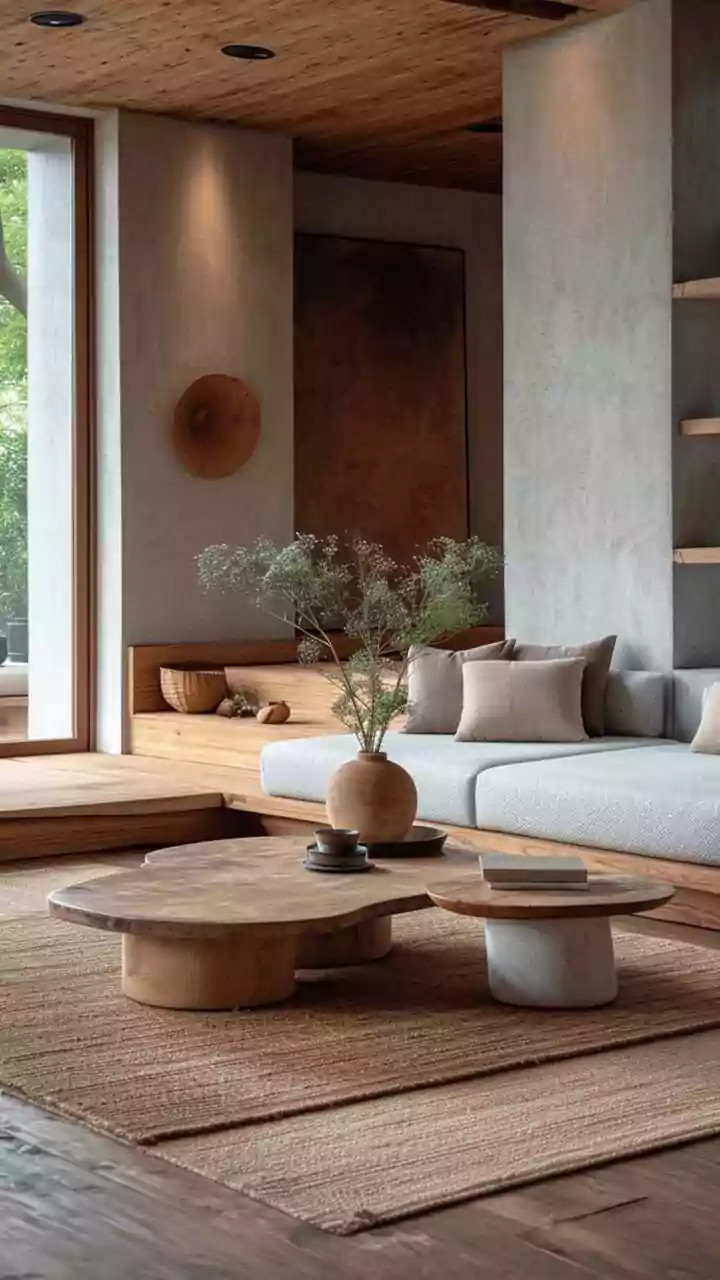
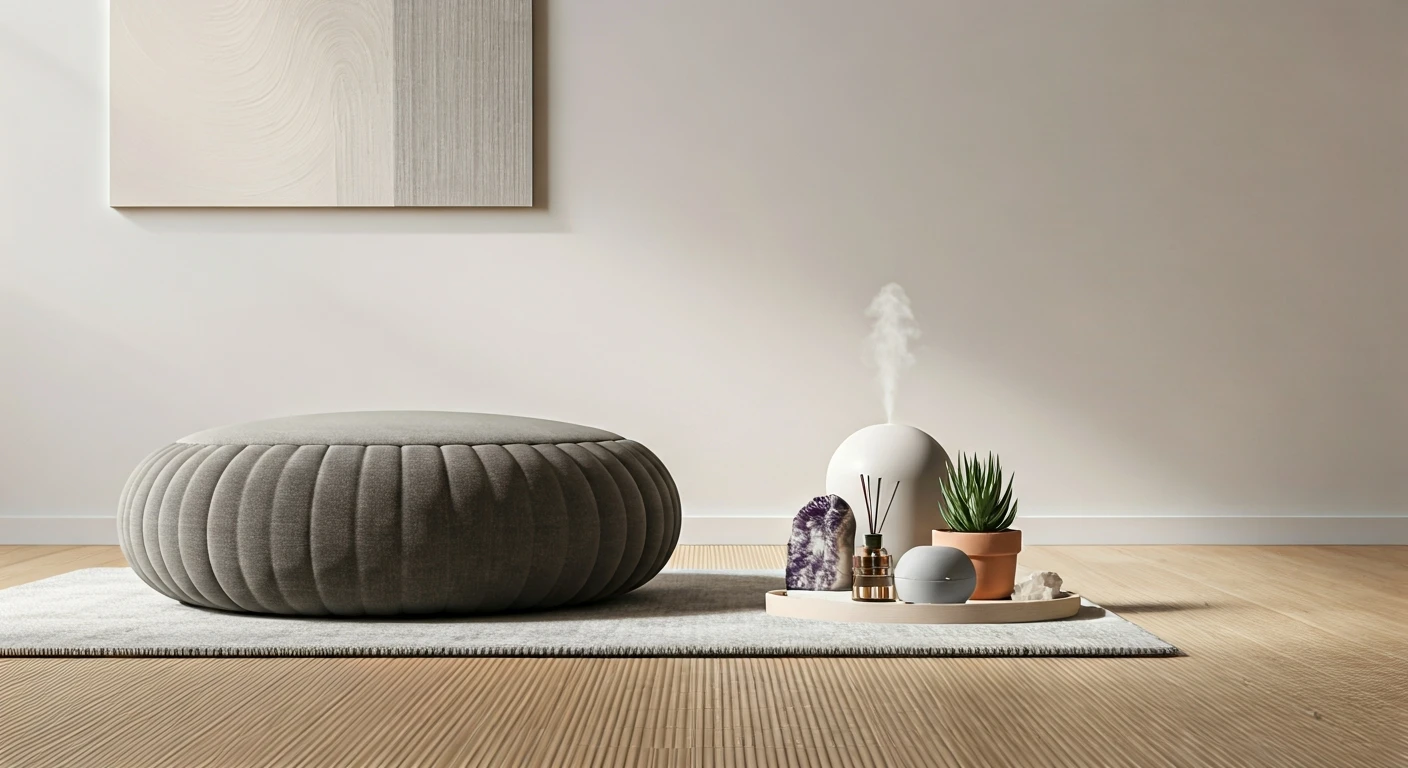
A truly mindful home engages more than just your eyes. Think about creating a complete sensory experience that promotes calm. For touch, layer different textures: a soft velvet pillow, a chunky knit throw, a smooth wooden table, and a plush rug underfoot. These varied surfaces make a space feel rich and inviting. For scent, move beyond artificial air fresheners. Use an essential oil diffuser with calming scents like lavender or eucalyptus, light a soy candle with a favorite fragrance, or simply open the windows for a fresh breeze. Sound is equally important. Identify sources of annoying noise and mitigate them where possible. At the same time, you can cultivate pleasant sounds, whether it's a small indoor water feature, a playlist of calming music, or simply the beauty of a designated quiet corner.
Declutter with Intention, Not Dogma
The decluttering craze taught us the value of letting go, but it can sometimes feel rigid. Mindful design applies a softer, more personal filter. Instead of asking only if an item 'sparks joy,' ask how it serves your life right now. An object might not spark ecstatic joy but could be incredibly useful, bring quiet comfort, or hold a cherished memory. The goal isn't sterile minimalism but intentionality. The process is about consciously curating your surroundings to reduce visual noise and energy drains. A cluttered countertop or a chair piled high with clothes can create a low-grade, persistent feeling of stress. Clearing those spaces isn't about following a rule; it's about giving your mind a place to rest.
Create Zones for Living
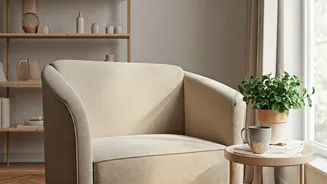
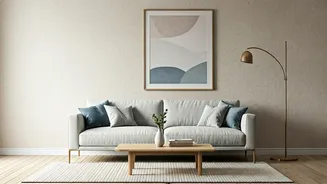
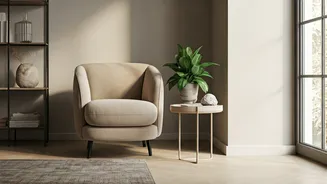
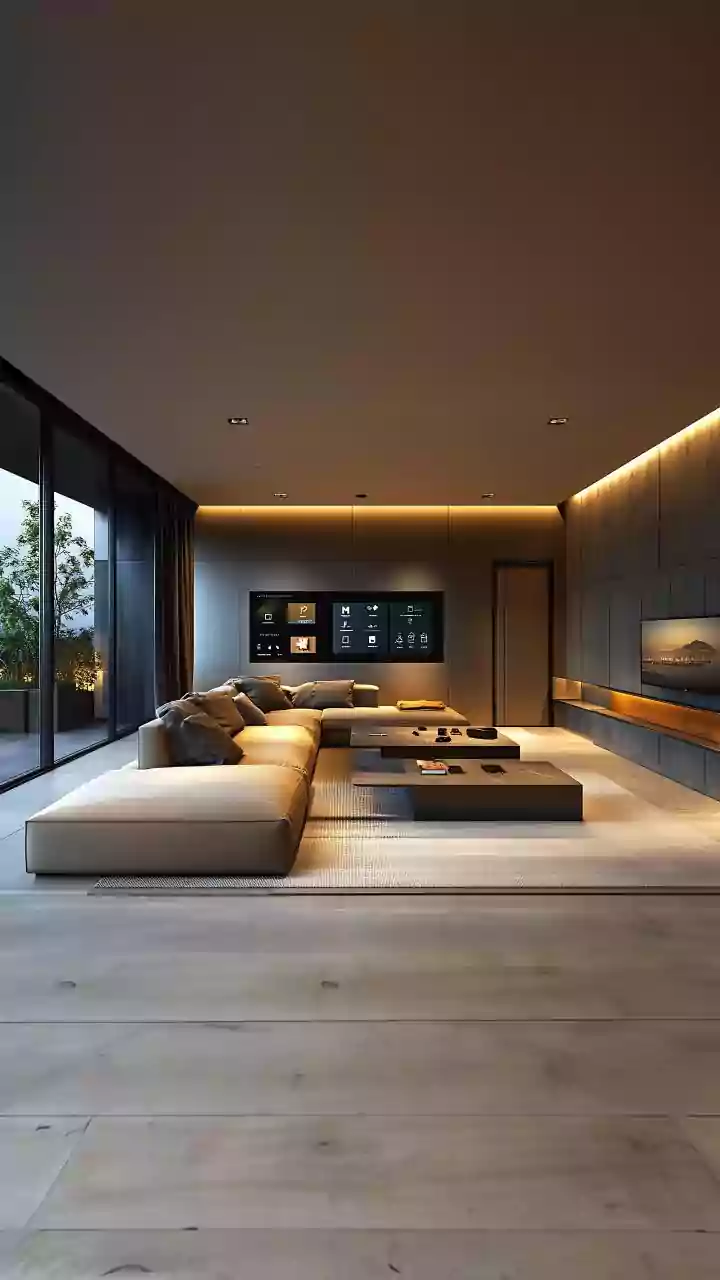
A mindful home is designed around the life you actually live, not an imaginary ideal. Instead of designing rooms based on formal labels—'dining room,' 'living room'—think about the activities you want to encourage. Create zones that serve a specific purpose for your well-being. This could be as simple as a comfortable armchair and a good lamp in a quiet corner, creating a dedicated reading nook. It might mean arranging your living room furniture to prioritize conversation over television. Or it could involve establishing a 'tech-free zone' where devices are put away, allowing for disconnection and presence. By aligning your space with your intentions, your home begins to actively support the lifestyle you want to lead.