






Beyond the Postcard View
For decades, the mark of a successful vacation was a photo album filled with triumphant poses in front of world-famous landmarks. The Eiffel Tower, the Colosseum, the Statue of Liberty—these were the prizes. But a quiet revolution is underway. Travelers,
particularly millennials and Gen Z, are increasingly trading the frantic energy of checklist tourism for the subtle rewards of neighborhood immersion. This isn't just about booking an Airbnb outside the city center; it's about deliberately choosing a district—be it the artsy enclave, the immigrant-rich culinary hub, or the quiet residential zone—and making it the sole destination. The goal is no longer to 'see' a city in three days, but to 'live' in one small part of it.
The Post-Pandemic Ripple Effect
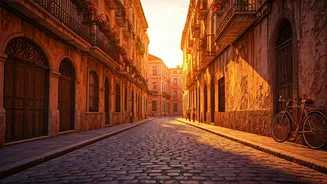
This shift didn't happen in a vacuum. The pandemic acted as a powerful catalyst. Confined to our homes and immediate surroundings, many of us rediscovered our own backyards. We found charm in the local bakery we’d always ignored, the park we never visited, and the corner store owner who knew our coffee order. This practice of finding novelty and adventure close to home has now been projected onto our travel habits. We’ve been trained to look for the interesting, the quirky, and the authentic at a micro-level. As a result, when we travel, we’re now more inclined to seek out that same feeling of intimate discovery. Why rush to a crowded museum when you can find a unique story in a local bookstore or a piece of street art down an unassuming alley?
A Quest for Realness
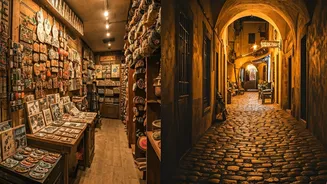
At its core, the neighborhood discovery mood is a search for authenticity in an increasingly homogenized world. Tourist hotspots are often a performance—a carefully curated, high-priced version of a culture designed for mass consumption. Lines are long, prices are inflated, and genuine interactions are scarce. Exploring a neighborhood offers the antidote. It’s about stumbling upon a family-run restaurant where the menu isn’t in English, finding the best coffee at a place filled with locals on laptops, or spending an afternoon in a park watching the rhythms of daily life. This approach satisfies a deeper hunger for connection and reality, a desire to peel back the polished veneer and touch the real, living fabric of a place. It's a rejection of the 'Instagrammable' moment in favor of a memorable, personal experience.
How to Tap Into the Vibe
Embracing this travel mood requires a mental adjustment more than a detailed itinerary. First, pick a neighborhood based on your interests—food, art, history, architecture—rather than its proximity to a famous landmark. Use tools like blogs, YouTube travel channels, and even Google Maps' 'Explore' feature to get a feel for an area’s personality. Once you’re there, the key is to slow down. Ditch the rigid schedule. Build your day around a morning coffee, a long walk without a destination, and a promising-looking dinner spot you noticed earlier. The most important rule? Talk to people. Ask the barista for their favorite local spot. Inquire with the shopkeeper about the neighborhood’s history. These small interactions are the currency of neighborhood travel, transforming you from a passive observer into an active participant.